 Chris Robert
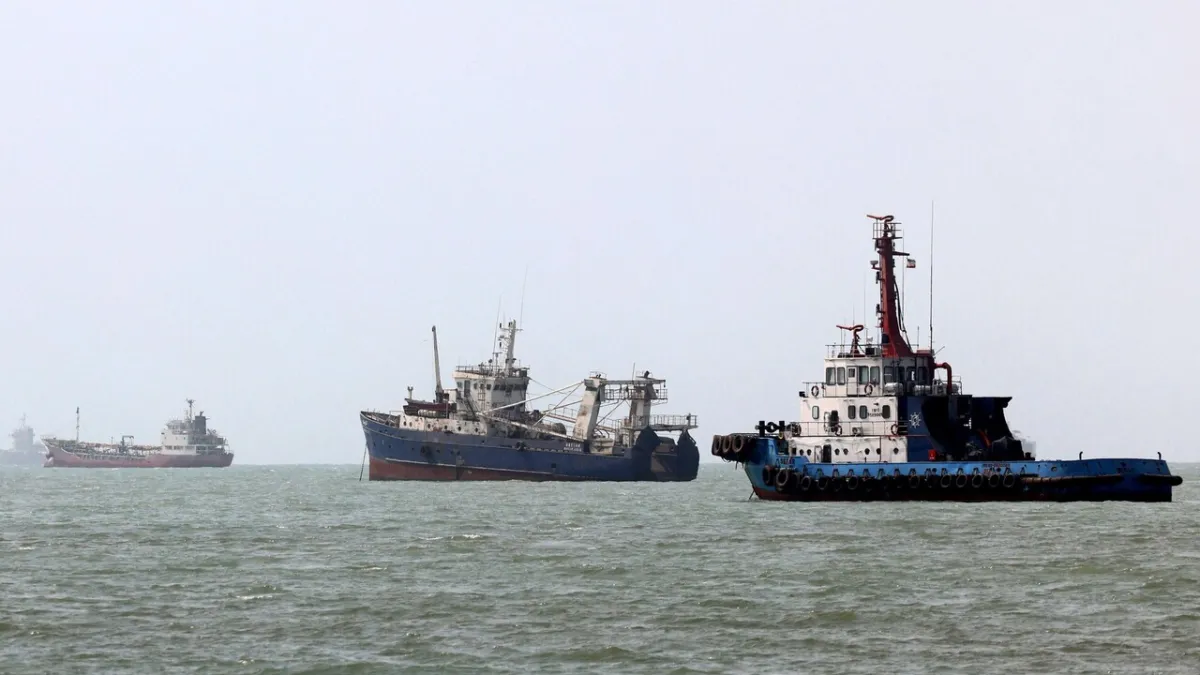
TEHRAN – Global tensions peaked today after a ship was hit by a projectile in the Strait of Hormuz, leaving one crew member injured. The incident prompted a serious threat from Tehran, stating it would close the vital shipping lane if the United States failed to adhere to agreements. Concurrently, violence escalated in the West Bank as Israeli settlers burned fields and stormed the Beita area, injuring two Palestinians in a series of night attacks.
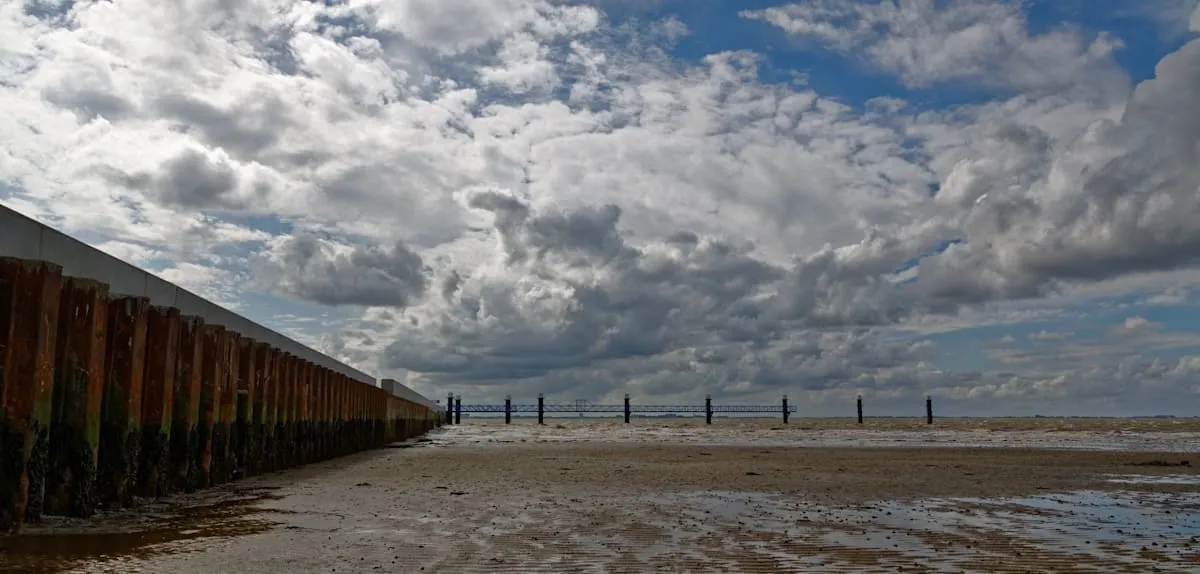
The ships projectile strike, whose identification details are still under investigation, adds to a long list of instabilities in the strategic waters of the Strait of Hormuz. This strait is one of the most critical maritime routes globally, serving as a vital gateway for a significant portion of the world's oil exports. Security of navigation in these waters is crucial for international energy supplies.
A spokesperson for Irans Foreign Ministry stated, 'The Strait of Hormuz will remain closed until the United States respects the terms of the agreed-upon deal.' This statement refers to Tehran's dissatisfaction with alleged violations of Washington's commitments regarding sanctions and regional issues, which have long been points of friction between the two nations.
The threat of closing the Strait of Hormuz has triggered serious concerns in global energy markets. Crude oil prices could surge sharply, threatening inflation and the fragile global economy. This situation also puts the administration of US President Donald Trump in a dilemma to respond decisively without triggering broader escalation, amid reports that Trump's popularity is plummeting due to public anxiety over a potential war with Iran.
While global attention is focused on Hormuz, the situation in the West Bank has also drastically deteriorated. Reports from local sources indicate that groups of Israeli settlers carried out a series of coordinated attacks on Palestinian villages.
Specifically, the settler attacks included:
- The burning of vast agricultural lands, destroying harvests and residents' livelihoods.
- Incursions into the village of Beita, leading to clashes with local residents.
- Two Palestinian residents sustained serious injuries from the attacks.
- No arrests were reported for the perpetrators of these attacks.
This violence occurred during the night, increasing fear and insecurity among the Palestinian community. This condition reflects a consistent pattern of escalating tensions in the occupied territories, often without adequate intervention from security authorities.
Both incidents, in the Strait of Hormuz and the West Bank, are inseparable from the highly complex and fragile geopolitical context of the Middle East. Escalation at one point often has the potential to trigger a chain reaction in other areas, creating a cycle of violence difficult to stop.
Calls for de-escalation across all fronts were immediately made by the international community. The UN and the European Union urged all parties to exercise restraint and return to dialogue to prevent further conflict that could have devastating humanitarian and economic consequences.
These events serve as a bitter reminder that the Middle East remains one of the most volatile regions in the world, with security implications extending to a global scale. The protection of civilians and adherence to international law must be a top priority for all involved parties.
Editorial Insight: The tensions in the Strait of Hormuz and the West Bank underscore the fragility of stability in the Middle East. Iran's threat to close the strait has the potential to trigger a serious global economic crisis, while violence against Palestinians further exacerbates the humanitarian crisis. Strong and coordinated diplomatic responses from global powers are urgently needed to prevent an uncontrolled escalation of conflict, especially given the strategic importance of this region for global energy.