 Stefani Rindus
WASHINGTON – Visionary entrepreneur Elon Musk has once again stirred global attention with his proposal for building data centers in space, a strategic move emerging amid increasing regulatory pressure on artificial intelligence (AI) trade following the Democratic Party's victory in the Texas elections. This development, also backed by seasoned investor Chamath Palihapitiya, sparks serious discussions about the future of digital infrastructure and technological autonomy in 2026.
The decisive victory of the Democratic Party across various political arenas, including a significant shift in votes in Texas, has triggered concerns among technology industry players. These election results are anticipated to bring a wave of new, stricter policies, especially regarding data center operations and AI trade regulations. This changing legislative environment places major tech companies under more intense scrutiny.
Analysts predict potential stricter data limitations, increased privacy oversight, and more complex export-import regulations for AI technology. This situation compels innovators like Musk to seek solutions beyond terrestrial boundaries.
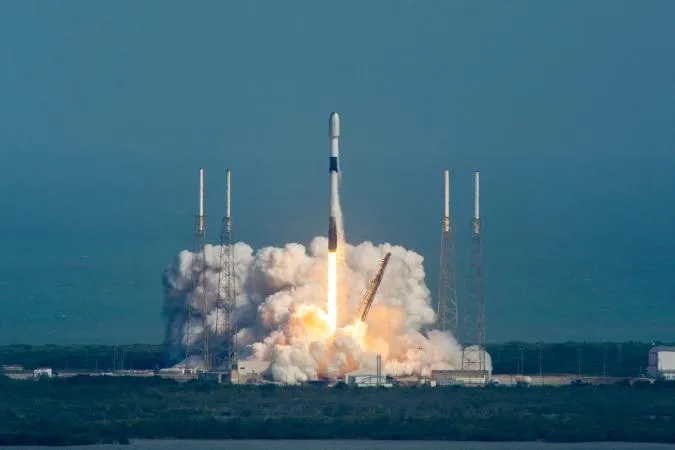
Musk, known through companies like SpaceX and Starlink, sees space as the new frontier for data infrastructure. The concept of space data centers offers the potential to mitigate risks from land-based regulatory restrictions, as well as providing a more secure and isolated location from geopolitical disruptions and natural disasters.
Chamath Palihapitiya, a prominent investor and entrepreneur often dubbed the 'King of SPACs,' has also voiced his support for the exploration of the space economy. Both see immense potential in moving computing and data storage loads into orbit, leveraging vacuum conditions and abundant solar energy.
Pressure on AI trade is not merely a domestic issue. More protective policies from the United States could affect global supply chains and international collaborations in AI development. Companies reliant on the export-import of AI components or cross-border data services face significant uncertainty.
This shift in attention to the space economy could open a new chapter in the global technological race. Nations and companies capable of securing a foothold in orbit for data services will gain a competitive advantage. This includes not only data centers but also satellite communication services and in-space manufacturing.
The debate between the need for strong regulation to protect data and privacy versus the drive for limitless innovation reaches a critical point. Musk and Palihapitiya implicitly argue that innovation requires room to grow, and if terrestrial regulations are too restrictive, space becomes an attractive alternative.
Despite its promise, the idea of space data centers is not without challenges. Extremely high launch costs, operational risks in extreme environments, and international legal issues regarding ownership and jurisdiction in space are significant hurdles that must be overcome.
This move indicates a paradigm shift in viewing future digital infrastructure. Instead of solely focusing on increasing terrestrial capacity, visionaries are now looking skyward, imagining orbiting data networks ready to support global computing needs in an increasingly AI-dominated era.
Editorial Insight: Elon Musk's concept of space data centers is a radical response to the political and regulatory dynamics currently shaping the technological landscape. Though ambitious and fraught with technical and legal challenges, this concept reflects a larger trend: innovation will always seek avenues for growth. The Democratic victory, which triggers AI restrictions, could paradoxically accelerate the exploration of the space economy's potential, transforming it from science fiction fantasy into a strategic reality in the future. This is a clear indication that the race to dominate the AI era is not only occurring on Earth but is also extending into orbit.