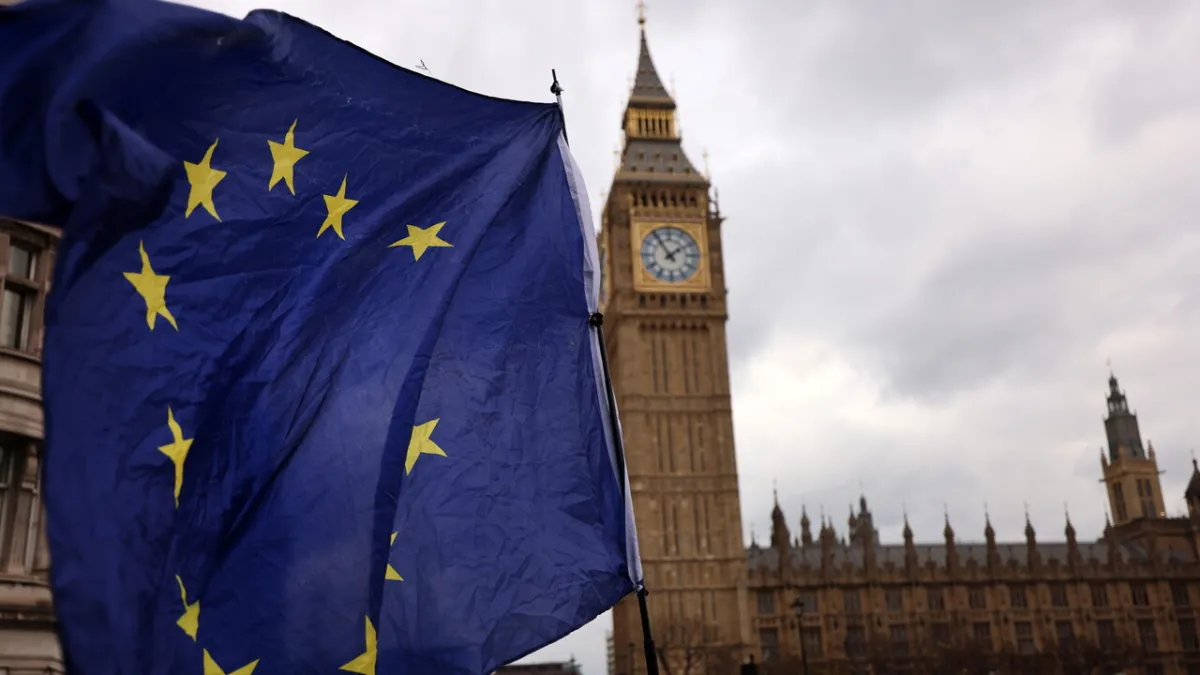
BRUSSELS – High-ranking European Union officials have signaled a willingness to reopen dialogue regarding the potential rejoining of the United Kingdom with the bloc, though they emphasize that the final decision rests with London. This signal, emerging in 2026, has ignited widespread speculation about the future of UK-EU relations post-Brexit, which has been in effect since 2020.
An anonymous source within the EU, known for accurate information, explicitly stated, If London wants to return, we are ready to talk about it. However, this is a decision entirely up to the British. This affirmation underscores the EU's proactive stance while respecting British sovereignty.
Since the UK officially left the European Union in January 2020, relations between the two parties have often been marked by tension and adaptation difficulties. Five years later, Brexit's impact on the UK's economy and political stability remains a fiercely debated topic across all levels of society, from Parliament to family dinner tables.
The economic consequences of the separation have been felt on both sides. The UK has faced challenges in trade and supply chains, while the European Union has also experienced the implications of losing one of its largest economies. The EU source's statement that We are already working on various aspects of the single market implies ongoing efforts to minimize economic friction arising from the separation.
However, the opportunity for a full return to the EU single market without significant concessions remains a major challenge for the UK. Full access to the single market means accepting the EU's four fundamental freedoms: free movement of goods, services, capital, and people, which were sensitive points in previous Brexit debates.
From the UK's perspective, this open signal may emerge amidst shifting domestic political dynamics. Is there a change in leadership, a shift in public sentiment, or economic pressure driving the British government to reconsider its foreign policy direction?
The EU's motivation for opening this dialogue also warrants scrutiny. In the face of global economic uncertainties, as seen in the ailing Japanese economy in 2026 and the challenges for Italian SMEs in 2026, strengthening European bloc unity could be a strategic priority for maintaining stability and competitiveness.
Should talks indeed commence, the focus will likely be on crucial issues such as single market access, customs union, and budget contributions. Any step towards reintegration would require complex negotiations and substantial compromises from both parties, with details far more intricate than the initial Brexit agreement.
The concept of sovereignty, a cornerstone of the Brexit campaign, will pose a significant obstacle. Reconciling EU law and the jurisdiction of the European Court into the UK's legal framework will be a sensitive issue requiring innovative solutions and broad political consensus in the British Parliament.
Public sentiment in the UK also remains divided. While a segment of society strongly desires to rejoin the EU for economic and social reasons, many remain firm in their decision to leave the bloc, citing national sovereignty. Recent polls consistently show continued polarization.
The response from other EU member states and global actors will be closely watched. The potential return of the UK could drastically alter geopolitical and economic dynamics in Europe, both in terms of political power and influence on the world stage.
Despite this positive signal, the process of the UK rejoining the European Union, if it were to occur, would take many years and involve substantial political and legal hurdles. It is not merely a reversal of a decision, but a reshaping of the entire bilateral and multilateral relationship.
Editorial Insight: This marks a crucial moment for Europe and the United Kingdom. The EU's signal demonstrates pragmatism amidst uncertain global conditions. While the prospect of full reintegration remains distant and fraught with challenges, particularly concerning sovereignty and political consensus in the UK, the opening of this dialogue signifies a major shift. A potential UK rejoining could provide a significant economic boost to both parties, while also strengthening Europe's geopolitical standing on the global stage. However, any final agreement will heavily depend on the ability of leaders on both sides to find mutually beneficial common ground in the years ahead.