 Dorry Archiles
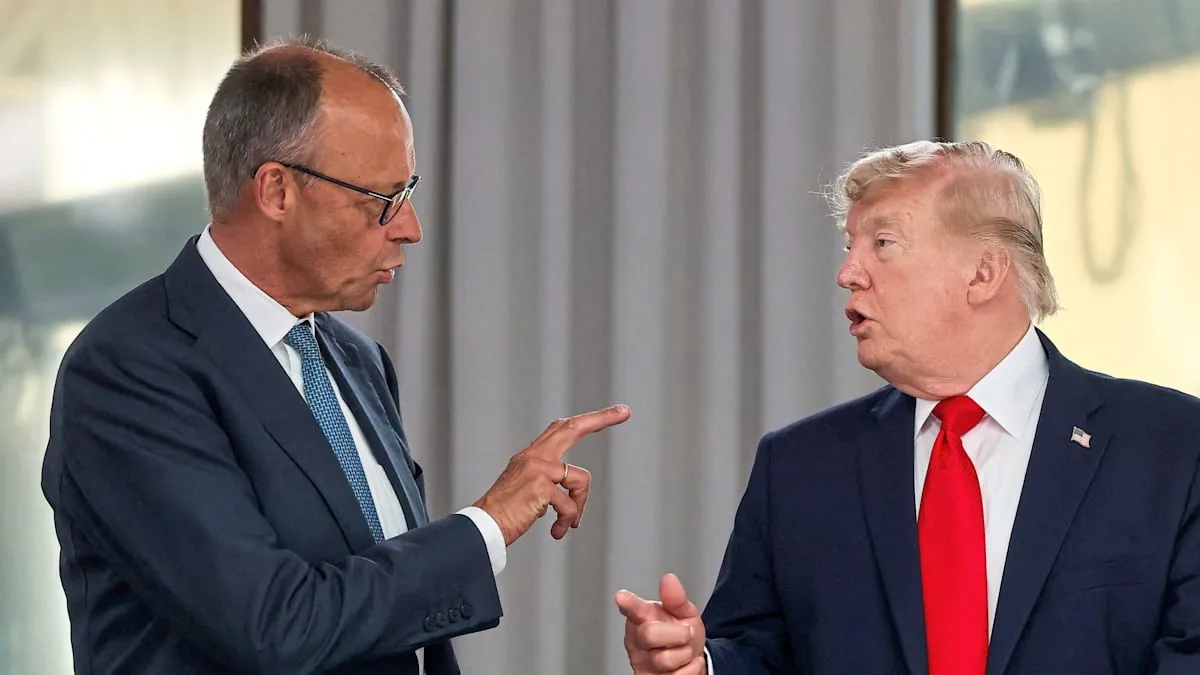
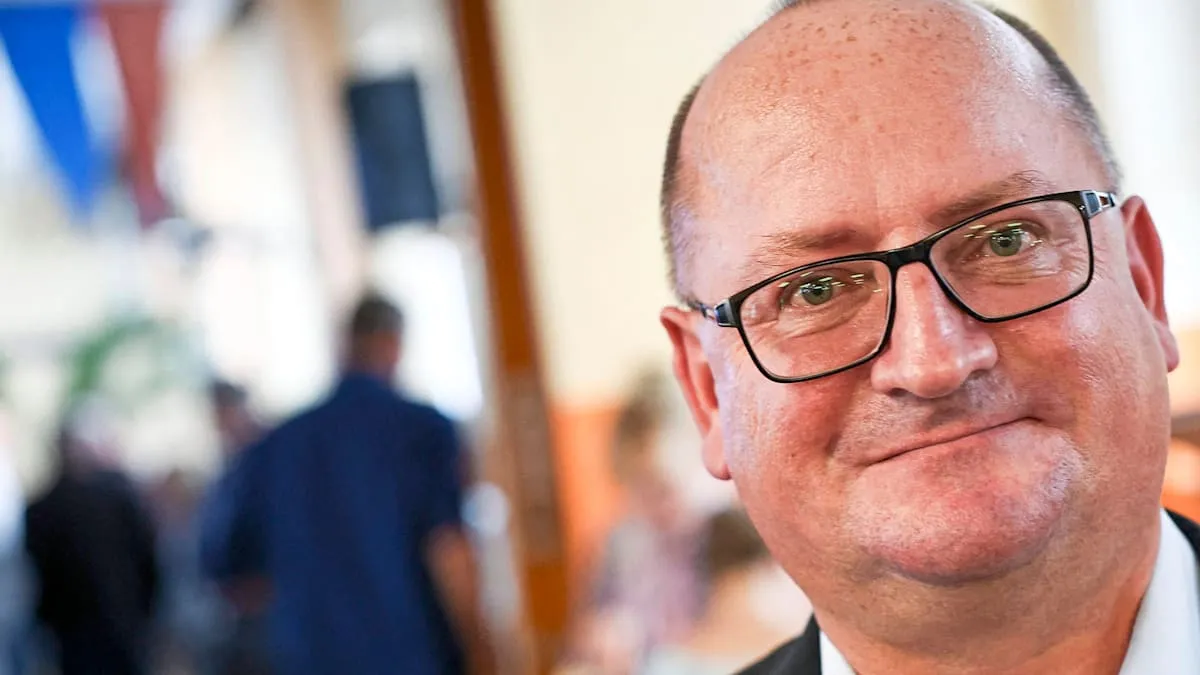
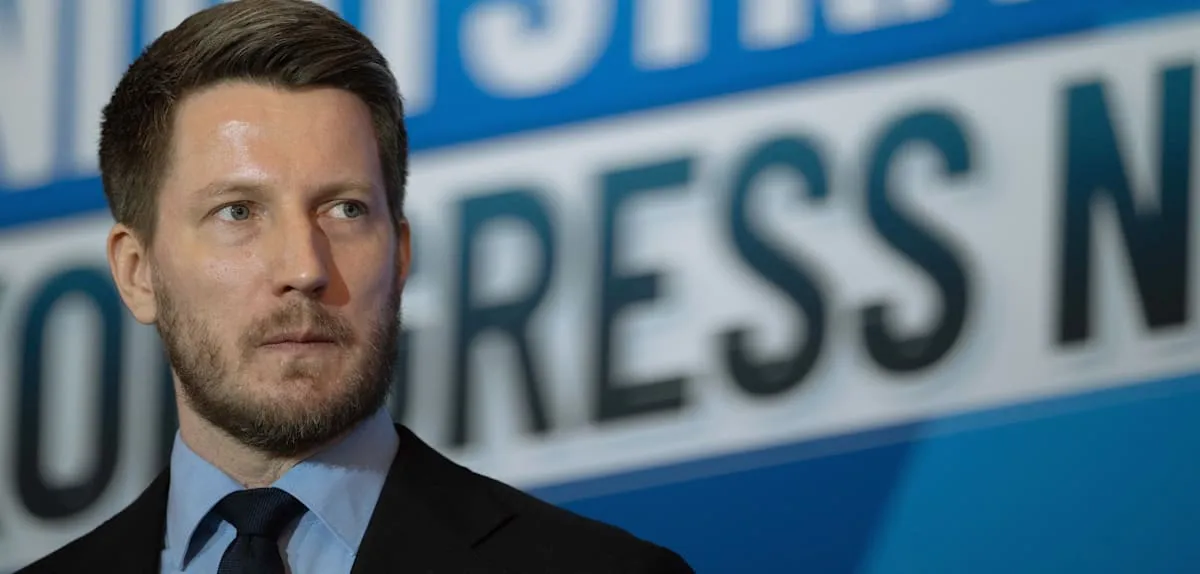
Berlin — Danial Ilkhanipour, a leading politician from Germany's Social Democratic Party (SPD), has urgently called for unwavering unity between the United States and European nations. This appeal arises amidst escalating tensions he terms the 'Iran conflict' in 2026, a situation he believes will have more severe repercussions for Europe than for America.
Ilkhanipour explicitly warned that a division among Western powers could trigger fatal consequences, especially for Europe. “Everything that happens there, by the way, affects us Europeans more than the Americans,” Ilkhanipour stated, underscoring the urgency of strategic cooperation.
Ilkhanipour's comments come against a backdrop of heightened rhetoric and potential conflict in the Middle East involving Iran. The volatile geopolitical situation demands a cohesive response from Western allies to maintain regional and global stability. The threat of Iran's escalation has long been a focal point, particularly its impact on global energy markets.
Europe, with its geographical proximity and energy dependence on the Middle East, is indeed more vulnerable to upheavals in the region. The potential for refugee waves, disruptions to oil supplies, and regional security threats are some of the immediate impacts the continent could face if the conflict worsens.
This statement also reflects growing concerns among German politicians regarding the direction of transatlantic foreign policy. The SPD, as a party committed to multilateralism, consistently advocates for diplomacy and a unified approach in confronting international crises.
In recent years, relations between the US and Europe have sometimes been strained, especially on foreign policy issues. Ilkhanipour emphasizes that this crucial moment requires a re-evaluation of shared commitments for the sake of collective security.
Strong integration and coordination between Washington and Brussels are deemed vital for devising effective strategies. Without a united front, Iran and other powers could potentially exploit these rifts, exacerbating the situation and undermining stabilization efforts.
The debate over the Iranian threat is not new. Previously, reports such as America Bombs Iran, Mullah Regime Retaliates Against Gulf Bases! or Trump Calls Iran 'Crazy' Amid US Strikes have indicated the severity of the situation.
This situation also has significant implications for NATO and the broader European security architecture. Defense strengthening, as reflected in Germany's acquisition of Tomahawk missiles, demonstrates that Europe is seriously considering worst-case scenarios.
Therefore, Ilkhanipour's call serves as a sharp reminder of the importance of coordinated diplomacy and unity of action. The future security and prosperity of Europe heavily depend on the ability of Western leaders to speak with one voice and act collectively on an increasingly complex global stage.
Political analysts agree that 2026 will be a crucial period for transatlantic relations in addressing various challenges, including conflicts in the Middle East. Maintaining cohesion will be key to navigating global geopolitical turbulence.