 Debby Wijaya
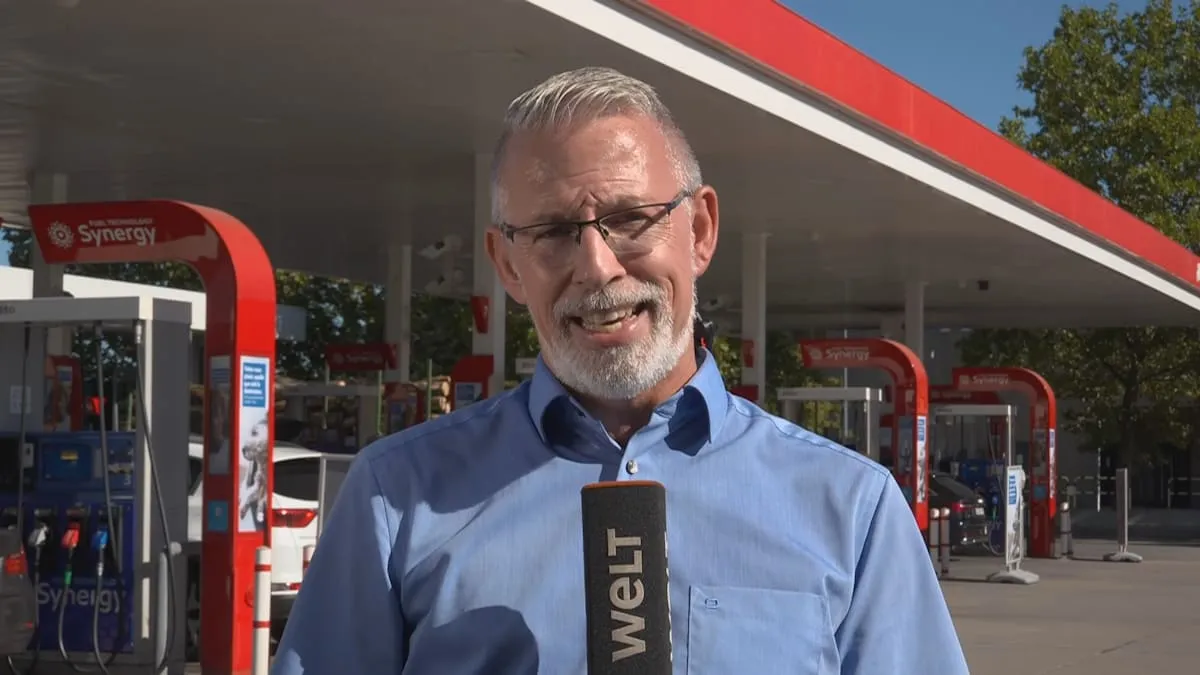
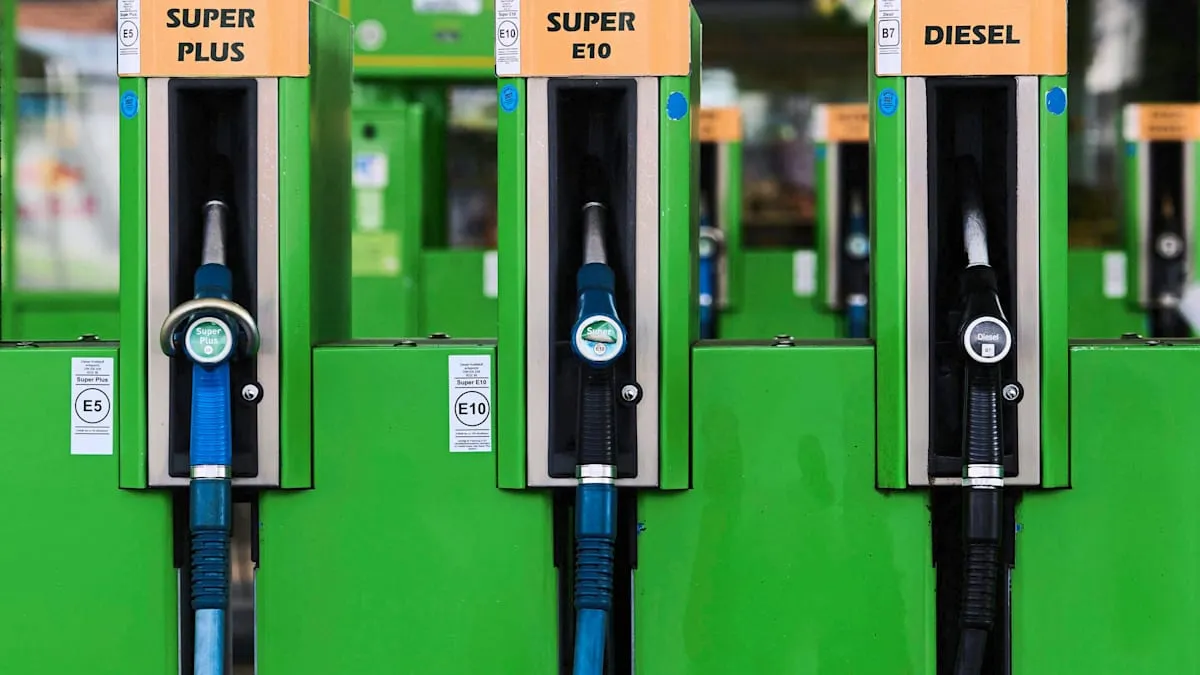
LUXEMBOURG – A recent report by WELT reporter Thorsten Kremers reveals striking fuel price disparities across Europe. Consumers in several countries such as Luxembourg, Poland, and Croatia are enjoying gasoline prices significantly cheaper, up to 50 cents per liter, compared to those in Germany.
This substantial difference stems from contrasting fiscal policies between nations. While neighboring countries implement price caps or tax cuts, Germany maintains its fuel levies at record-high levels.
In Luxembourg, motorists directly benefit from government policies that suppress prices. A similar situation is observed in Poland and Croatia, where policy interventions have successfully maintained price stability at the pumps.
Conversely, drivers in Germany face continuously rising financial burdens. High taxes and duties push fuel prices there far beyond the regional average, causing widespread concern among the public and businesses.
This disparity is more than just a statistic; it has real economic impacts. Many German citizens living near borders are now considering fueling up in neighboring countries, a phenomenon known as 'fuel tourism', to save money.
This situation has also sparked sharp criticism within German politics. The Social Democratic Party (SPD) has repeatedly condemned the government's economic policies, deemed ineffective in addressing the price crisis. Soaring Fuel Prices: SPD Blasts German Economic Minister as Ineffective! is one of the loudest voices.
Furthermore, political figures like Manuela Schwesig have urged the Chancellor to act swiftly. Schwesig Urges Chancellor to Act Quickly on German Fuel Price Crisis, highlighting the urgency to alleviate inflationary pressures felt by households and industries.
Debates regarding energy and tax policies are expected to intensify towards the end of 2026. Public pressure and demands from the industrial sector will likely force the German government to re-evaluate its tax structure.
The European Commission is also closely monitoring these price disparities, although energy tax policies largely fall under national jurisdiction. However, such extreme differences could trigger further discussions on tax harmonization in the future.
Economic analysts warn that without corrective measures, Germany's economic competitiveness could erode. High transportation costs directly affect supply chains and final product prices, ultimately burdening consumers.
Editorial Insight: The extreme fuel price differences at the heart of Europe reflect the complexity of modern fiscal and energy policies. While other nations strive to ease the burden on their citizens, Germany appears locked into a taxing structure that weighs heavily. This is not merely about price differences at the pump, but also about how governments balance national revenue with the economic well-being of their citizens amidst global market fluctuations and inflationary pressures. Failure to adapt could create waves of social discontent and long-term economic losses.