 Edward DP Situmorang
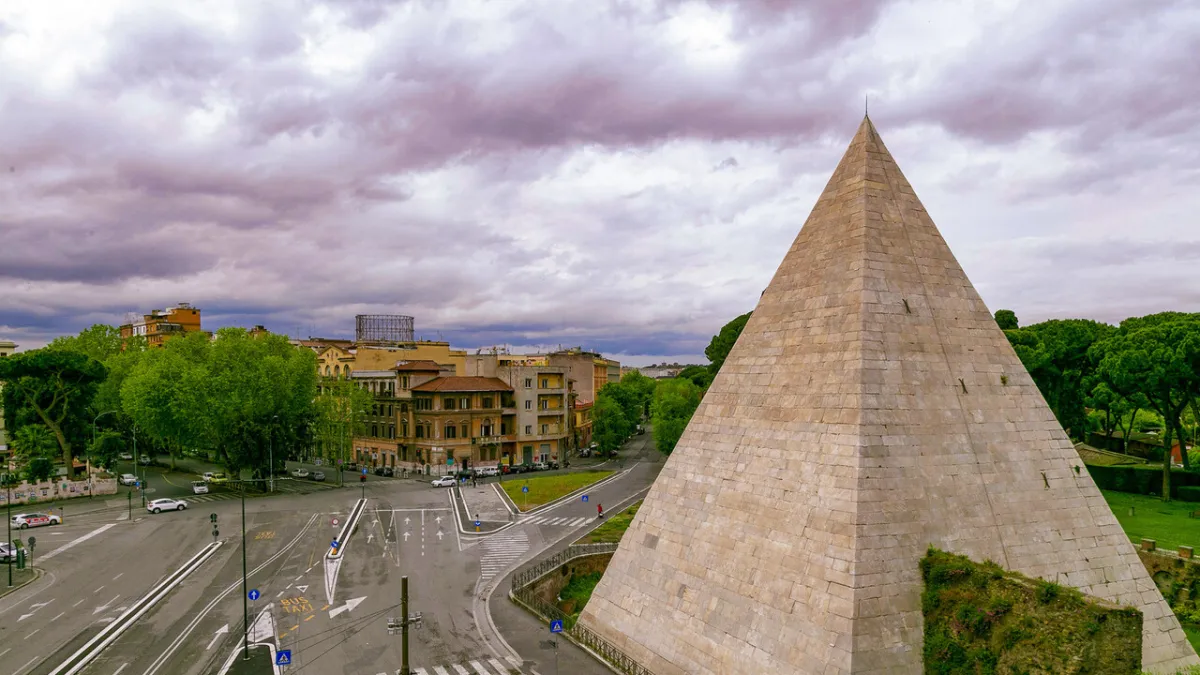
ROME – The Cestia Pyramid, an iconic ancient monument in Rome, is set to reopen for public visits from September 4 to October 31, 2026. This initiative offers a new accessibility route that merges heritage conservation with visitor convenience. The Parco Archeologico del Colosseo is spearheading this program, aiming to enrich the cultural experience for both locals and tourists.
The free visit program allows the public to explore the interior of the pyramid, a unique Egyptian-style structure built as a tomb for Gaius Cestius Epulo in the 1st century BC. This reopening forms part of the Roman city government's ongoing efforts to enhance public engagement with its archaeological sites.
The Italian Ministry of Culture, alongside local archaeological authorities, has diligently worked to ensure that all open pathways adhere to stringent conservation standards. The primary goal is to protect the integrity of the two-millennia-old structure while providing an insightful educational experience on ancient Roman civilization.
The reopening of the Cestia Pyramid is a vital step in bridging the past and the present, stated Dr. Elena Rossi, Director of the Parco Archeologico del Colosseo, during a press conference in Rome. We are dedicated to ensuring every citizen can experience the historical grandeur at the heart of this city.
Free tours will be available during both daytime and evening hours, offering distinct perspectives on the tomb's architecture and interior. Visitors can enjoy a unique experience under natural light or special illumination highlighting artistic details, enhancing the mystical impression of this ancient site.
The Cestia Pyramid stands as one of the few Egyptian-style pyramids remaining in Europe, reflecting the profound influence of ancient Egyptian culture on the Roman Empire. Its presence beside Porta San Paolo and the Aurelian Walls bears silent witness to cross-civilizational encounters over millennia.
Beyond architectural beauty, visitors will receive information about the pyramid's construction history, Roman burial rituals, and the life of Gaius Cestius Epulo, a prominent magistrate and council member of his time.
Similar initiatives have been undertaken at other archaeological sites globally. For instance, discussions surrounding the mystery of the Giza Pyramids in Egypt and their potential hidden chambers have highlighted significant global interest in ancient monuments and potential new discoveries.
This reopening of the Cestia Pyramid is expected to foster greater public interest in Roman history and solidify Rome's position as an unparalleled hub of world heritage. This also provides a welcome boost to the tourism sector, which has faced challenges.
The visit program is designed for sustainability, with limited visitor quotas to minimize impact on the pyramid's structure. Education on the importance of conservation is also an integral part of each tour, instilling awareness of historical value.
Detailed schedules and booking information can be accessed via the official website of the Parco Archeologico del Colosseo, allowing for easy planning of visits for prospective guests.
Editorial Insight: The reopening of the Cestia Pyramid underscores Italian authorities' commitment to both preserving and democratizing access to cultural heritage. This move is not merely a tourist attraction but also public education on ancient history, often hidden from plain sight. The success of this program has the potential to become a model for managing other archaeological sites facing similar challenges between conservation and accessibility.