 Chandra Wijayanto
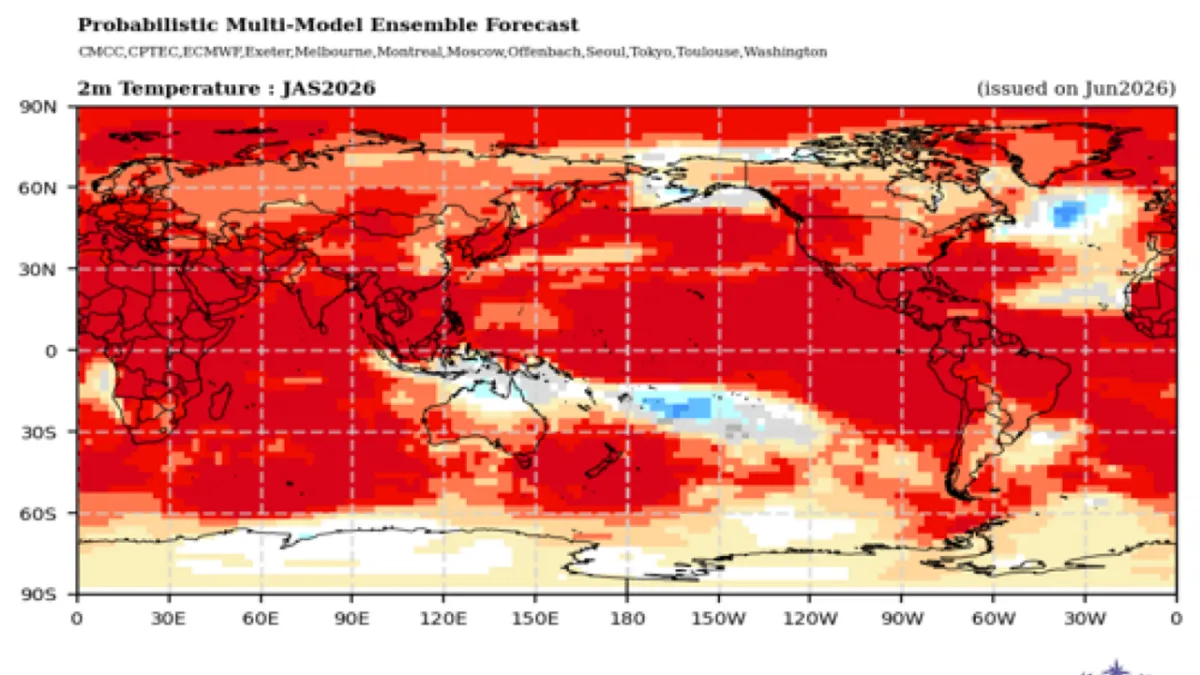
EUROPE—The World Meteorological Organization (WMO) has issued a serious warning regarding the projected summer of 2026 for the Old Continent. The forecast indicates that most of Europe will experience temperatures significantly above historical averages, accompanied by a notable increase in rainfall intensity, raising concerns about extreme heatwaves and potential flooding.
This WMO prognosis is based on the latest global climate model analysis and historical data showing a continuous trend of global warming. Scientists highlight the increasing frequency of temperature anomalies, underscoring the urgency of climate change mitigation efforts at both global and regional levels.
The increase in average temperatures is not merely a statistical figure. This phenomenon has the potential to trigger a series of domino effects, ranging from public health crises to disturbances in fragile ecosystems. European nations are now on high alert to face complex hydrometeorological challenges.
Intense heatwaves, such as those predicted for summer 2026, have historically led to increased mortality rates, particularly among vulnerable groups like the elderly and children. Major European cities, with infrastructure not fully adapted to extreme temperatures, will face immense pressure on emergency and health service systems.
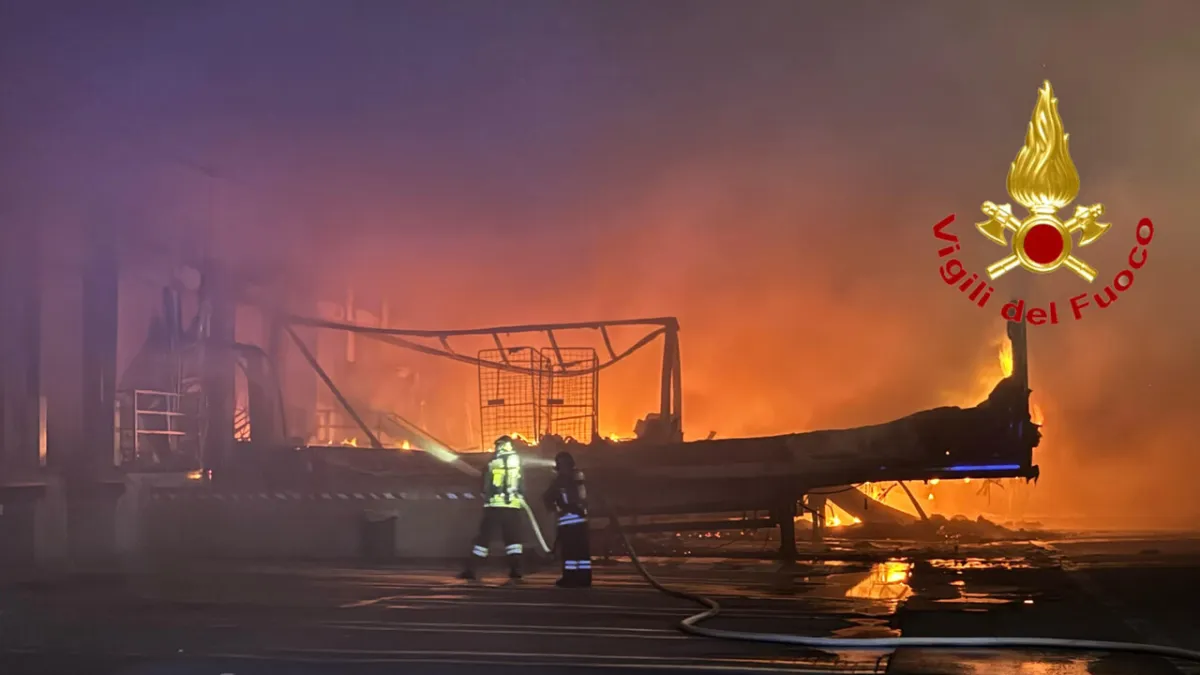
Beyond health risks, the agricultural sector is also a major concern. High temperatures can cause droughts in some regions, damaging crops and triggering destructive wildfires. Events such as the devastating wildfires in Andalusia that claimed lives in previous years serve as a bitter reminder of this threat. Andalusia Merana: Kebakaran Hutan Dahsyat Renggut 11 Nyawa Tragis
WMO Director of Climate Research, Dr. Anya Sharma, stated in her virtual press conference, "Our data is very clear. We are on a trajectory where summers like 2026 will become the norm, not an anomaly, unless drastic global efforts are made to reduce greenhouse gas emissions."
At the same time, the predicted increase in precipitation raises new concerns. While some regions may experience temporary relief from the heat, heavy and concentrated rainfall can trigger flash floods, soil erosion, and landslides, especially in areas with vulnerable topography or inadequate drainage systems.
Preparedness for this combination of phenomena is crucial. Governments across Europe have begun to review their emergency plans and climate adaptation strategies. This includes enhancing early warning systems, improving water resource management, and investing in climate-resilient infrastructure.
The European Commission has urged member states to accelerate the green energy transition and strengthen environmental protection policies. This step is expected not only to reduce long-term impacts but also to build resilience against increasingly frequent extreme weather.
However, the challenge is not only in physical infrastructure. The psychological and social impacts of extreme weather are also significant. Reports from various European cities indicate that prolonged heatwaves in previous years have fueled social tensions and incidents of violence in public spaces such as swimming pools. Gelombang Panas 2026 Memicu Kekerasan, Kolam Renang Eropa Jadi Arena Anarkis
Professor of Climatology at the University of Berlin, Dr. Klaus Richter, emphasized the importance of public education. "The community must understand the risks and how to protect themselves. This is not only the government's responsibility but also every individual's," he remarked.
With a challenging summer 2026 projected, Europe stands at a crossroads in its climate adaptation efforts. Collective preparedness and sustained commitment to mitigation will determine how the Old Continent navigates this increasingly warmer and unpredictable future.