 Robert Andrison
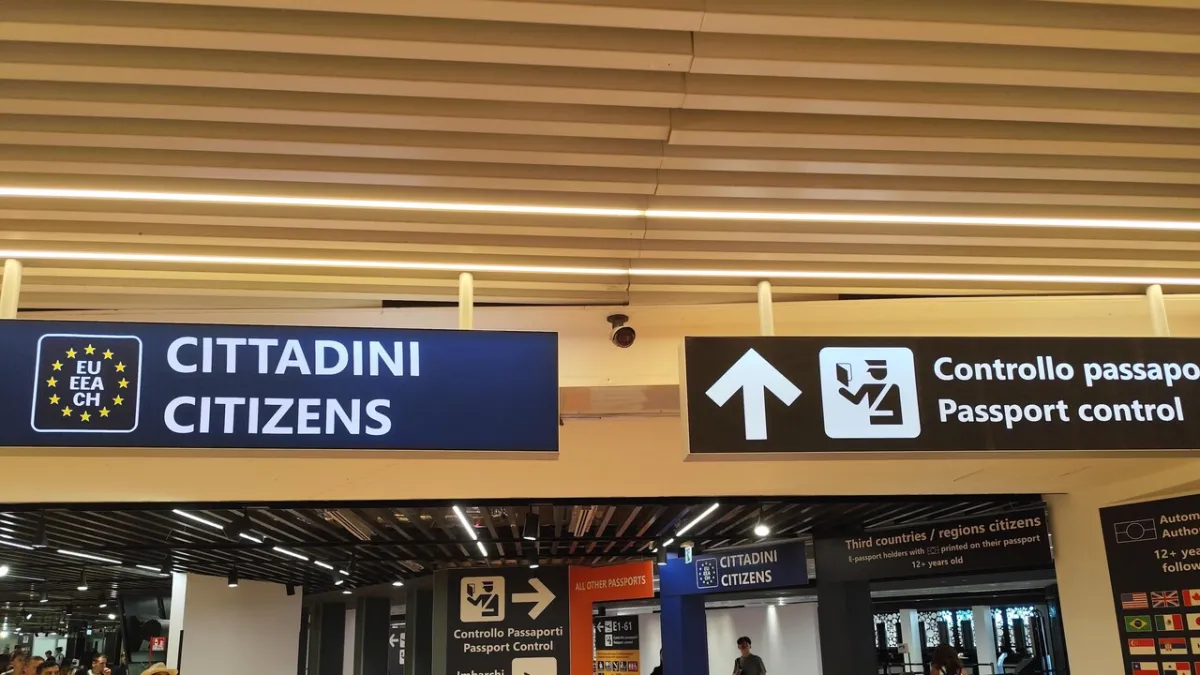
BRUSSELS – The Schengen bloc, a cornerstone of freedom of movement in Europe, faces a significant challenge after several member states decided to re-impose temporary border controls on travel from Spain. This policy, effective for a full month starting January 2026, targets strict verification of third-country passengers arriving from Spain at all major ports and airports.
This drastic measure comes in response to a escalating surge in irregular migrants, strongly suspected of using routes through Spain to reach the heart of Europe. The decision fundamentally alters travel dynamics and fuels intense debate over the future of the Schengen Agreement, long hailed as a symbol of European integration.
The wave of migrants, particularly from North Africa, has been a thorny issue for the European Union for years. However, the situation in early 2026 shows an alarming escalation, forcing Schengen members to take unilateral action to collectively protect their external borders.
The migration crisis in Spain's enclaves of Ceuta and Melilla is one of the primary triggers for this tightening. Recent reports indicate that thousands of individuals are attempting to cross illegally, placing immense pressure on Spain's reception facilities and security systems. The humanitarian situation in Ceuta has also become increasingly concerning.
Several member states, including Italy, have openly expressed their unease regarding the impact of the crisis in Spain on the security and stability of destination countries. Italy, often a primary gateway for migrants from the Mediterranean, is reported to have taken similar steps.
Authorities at ports and airports are now required to conduct more thorough identity and travel document checks on all individuals arriving from Spanish territory. Third-country passengers will face more in-depth secondary screening procedures, including interviews and background checks, before being allowed entry into the Schengen area.
The European Commission, through its spokesperson at a press conference in Brussels, stated that the tightening of border controls, although temporary, is a last resort option to maintain the integrity of the Schengen area in the face of serious threats to public order and internal security.
This decision undoubtedly raises significant concerns among tourism and business sectors that rely on easy mobility between European countries. The aviation and maritime sectors are projected to experience significant slowdowns due to longer inspection processes and potential travel cancellations.
European policy analysts believe this move reflects the collective frustration of member states over the lack of effective long-term solutions for the migration crisis. Some even see it as a signal that the core spirit of Schengen is being tested, perhaps even eroded. Condemnation of Spain is also intensifying.
Despite the initial one-month tightening period, many fear that this policy could be extended or become a precedent for similar restrictions in the future. This situation demands better coordination and comprehensive solutions from all EU member states to balance border security with humanitarian principles and freedom of movement.
Under the leadership of European Commission President Ursula von der Leyen, the European Union continues to strive for consensus among member states to address the migration crisis holistically. However, the implementation of these temporary border controls underscores the urgency and complexity of the challenges facing the bloc in 2026.
The effectiveness of this measure in curbing irregular migrant flows will determine whether similar policies will be reconsidered, or if it will prompt the European Union to formulate a more integrated and sustainable migration strategy for the entire continent.