 Debby Wijaya
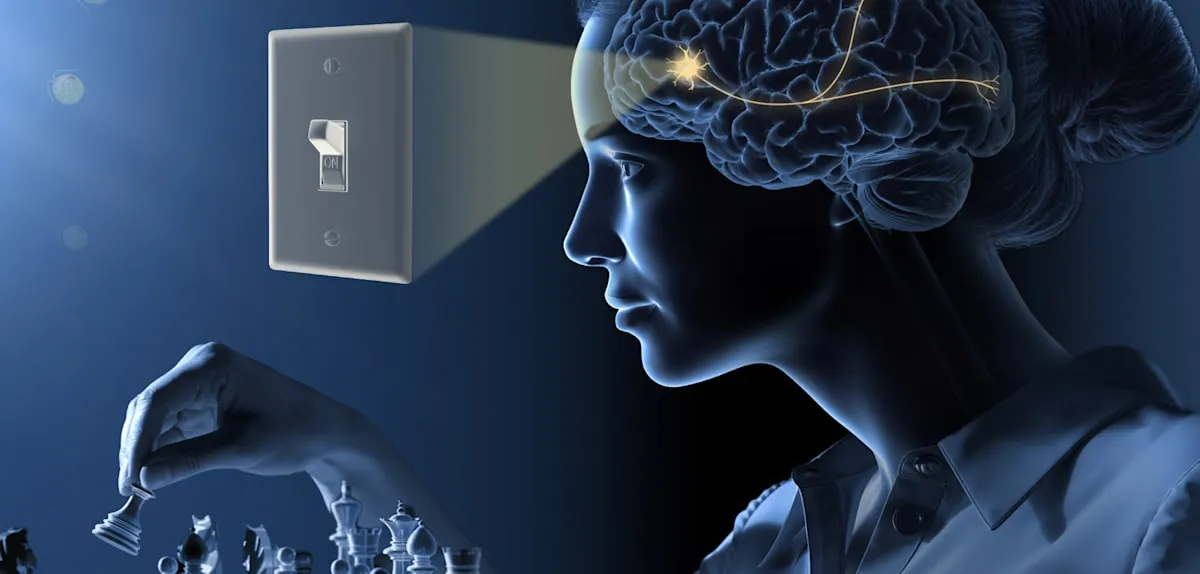
BERLIN – The 2026 Nobel Prize in Medicine has officially bestowed its highest honor upon two brilliant scientists from Germany and one of their colleagues from the United States. The announcement was made by the Nobel committee in early October, recognizing their revolutionary contributions to the development of a method for activating nerve cells in the brain, a fundamental breakthrough that opens new gateways for neurology and the treatment of various neurodegenerative conditions.
The discovery originated from intensive research conducted at leading research centers in Berlin and Wuerzburg. The researchers successfully identified and engineered complex mechanisms that allow for accurate manipulation of neuronal activity, offering significant potential to understand and overcome brain dysfunction at a cellular level.
This innovative method is regarded as a historical milestone in neuroscience, given its ability to specifically 'turn on' or 'turn off' certain nerve cells. This allows scientists to observe the individual roles of neurons in thought processes, memory, and motor functions, which was previously difficult to achieve with high precision.
In recent decades, the medical world has faced significant challenges in treating diseases such as Alzheimer's, Parkinson's, and severe depression, largely caused by impaired communication between nerve cells. This research offers new hope, paving the way for more targeted gene or pharmacological therapies.
Professor Schmidt from the University of Berlin, one of the Nobel laureates, stated, 'This award is not just a recognition of our hard work, but also a validation of the importance of fundamental research in solving the mysteries of the human brain. We hope this triggers more innovation.' He made this statement during a virtual press conference held shortly after the announcement.
The work of these scientists has undergone rigorous testing and scientific publication in reputable international journals. They successfully demonstrated the effectiveness of the method in pre-clinical models, showing its transformative potential for future clinical applications.
This achievement also underscores Germany's position as one of the world's leading centers for scientific innovation. Continuous investment in research and development, coupled with cross-border collaborations, has resulted in globally impactful discoveries. This strengthens Germany's academic and scientific reputation on the international stage.
The 2026 Medicine Nobel is expected to spur a new wave of research in neurology, focusing on translating these basic findings into tangible therapeutic solutions. Various global research institutions and pharmaceutical companies are likely to allocate significant resources to explore the full potential of this nerve cell activation technology.
Academics and medical practitioners worldwide have welcomed this news with high enthusiasm. Many see it as a pivotal moment that could change the paradigm of treating neurological disorders, shifting the focus from symptom management to more profound causal interventions.
Editorial Insight:
The 2026 Nobel Prize in Medicine is not merely an acknowledgment of a discovery, but a validation of a new era in understanding and treating the human brain. With the ability to precisely activate nerve cells, the door to personalized therapies for neurological diseases is wide open. Its impact will extend far beyond the laboratory, potentially transforming the quality of life for millions of sufferers worldwide, while reaffirming the crucial role of basic research in the advancement of civilization. The world now awaits the clinical innovations that will emerge from this scientific foundation.