 Stefani Rindus
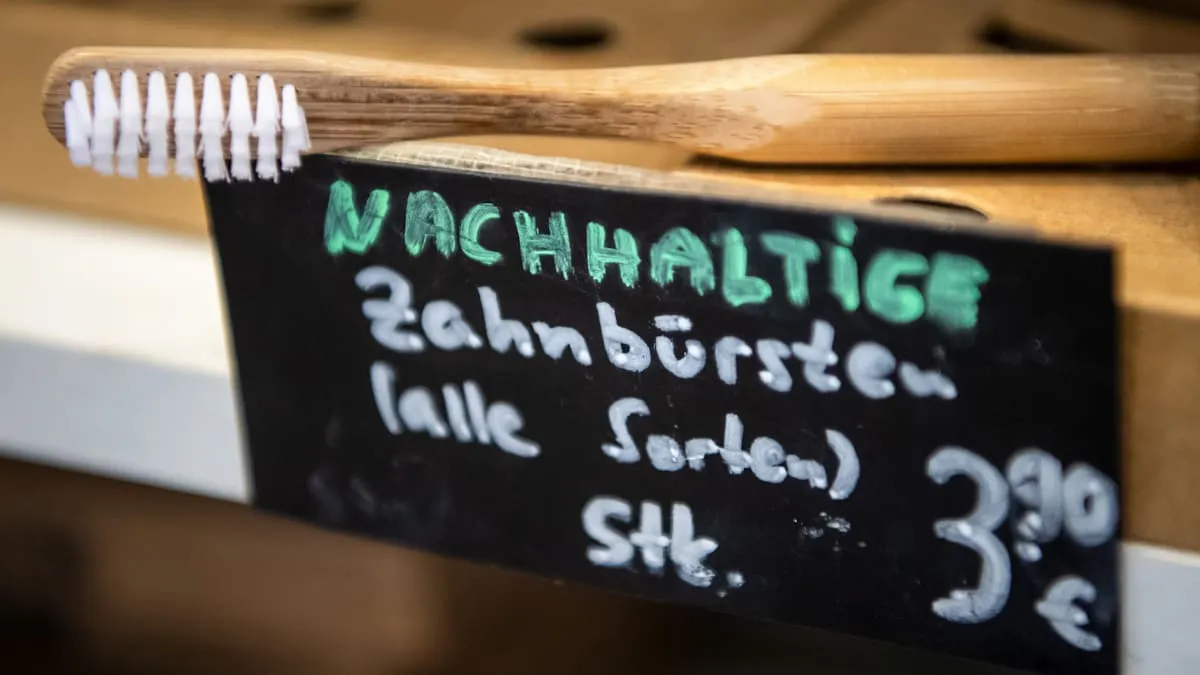
BERLIN – The European Union today officially implemented a revolutionary new directive in Germany, targeting 'greenwashing' practices in advertising and product marketing. This regulation, which came into effect immediately, mandates companies to transparently substantiate their environmental claims, while also guaranteeing more accurate information for consumers regarding product durability and repairability.
The term 'greenwashing' refers to misleading consumers by creating a false environmentally friendly image for products or services that are actually insignificant or even harmful to the environment. This practice has become a global concern, eroding public trust in genuine sustainability initiatives.
This latest directive aims to create a fairer and more transparent market. By requiring validation of environmental claims, the European Union is determined to protect consumers from empty green promises and foster healthy competition among companies genuinely committed to sustainability.
For the corporate sector, the implementation of this directive means a comprehensive review of environmentally based marketing strategies. Every statement about 'eco-friendly,' 'carbon-free,' or 'natural' must be supported by strong, verifiable scientific evidence. Failure to comply can result in serious sanctions.
Another crucial aspect of this regulation is the enhancement of consumer information. Consumers will now receive more credible data regarding product durability. This allows them to make smarter choices, supporting long-lasting products and reducing waste.
Not only durability, but information about a product's repairability is also a focus. Consumers have the right to know whether a product is easy to repair, the availability of spare parts, and reasonable repair costs. This is a significant step forward towards a circular economy.
The choice of Germany as the starting point for implementation demonstrates the strong commitment of one of the European Union's largest economies to lead the transition towards sustainability. This decision is expected to set a precedent for other EU member states to accelerate the adoption of similar regulations.
This move by the European Union aligns with a global trend demanding greater accountability from businesses regarding their environmental impact. Various international organizations and consumer advocacy groups have long called for stricter regulations against unsubstantiated environmental claims.
The directive also reflects a significant shift in consumer preferences. More individuals are prioritizing sustainability in their purchasing decisions. With verified information, consumers can be more confident in supporting truly green brands.
While welcomed, the implementation of this regulation is not without its challenges. Companies may face complexities in data collection and presentation, as well as potential increases in operational costs. However, the long-term benefits for the environment and consumer trust are expected to far outweigh these initial hurdles.
Indeed, these transparency demands have the potential to spark innovation. Companies will be encouraged to invest more in research and development of genuinely sustainable products, rather than just 'appearing' sustainable, to meet the established standards.
Editorial Insight: The implementation of the anti-greenwashing directive by the European Union in Germany marks a fundamental step in combating environmental deception and building a more honest market. This is not merely a regulation; it reflects the evolution of collective awareness regarding the climate crisis. Its impact will extend beyond Germany's borders, forcing companies across the world's largest economic bloc to substantively review their sustainability commitments, rather than merely focusing on narrative. In the long term, this initiative has the potential to position the European Union as a global leader in ethical business standards and green consumer protection, while also driving real investment in sustainable innovation.