 Stefani Rindus
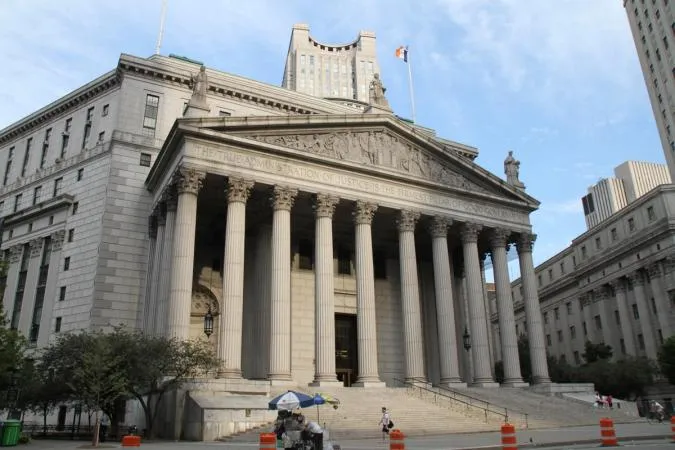
NEW YORK – Huaisong Xiang, a former prominent engineer at the trading platform Robinhood, has officially pleaded guilty to charges of an insider trading scheme in 2026. He was accused of misusing confidential information regarding upcoming crypto asset listings, leveraging this loophole to illegally gain $125,523 through perpetual futures trading on the Hyperliquid exchange. This guilty plea marks a crucial point in law enforcement efforts to regulate the rapidly growing digital asset market.
The case centers on Huaisong Xiang's actions, who, while still having access to Robinhood's internal data, gained knowledge about crypto tokens that were soon to be listed on the platform. Such information is highly valuable because the publication of new listings on major exchanges often triggers significant price increases for the related assets.
Xiang then exploited this privileged information, not on Robinhood itself, but by trading on Hyperliquid, a decentralized exchange offering perpetual futures. This strategy allowed him to bet on the price movements of crypto assets without actually owning them, maximizing profits from predictions based on confidential data.
The total profit Xiang obtained from this scheme amounted to $125,523, a substantial sum derived from a series of transactions designed to exploit non-public information. The legal process against him reaffirms the authorities' commitment to eradicate fraudulent practices across the financial spectrum, including the often-ambiguous crypto sector.
Insider trading in the crypto market is a serious concern for global regulators. Regulatory uncertainty and the relatively nascent nature of the market often provide loopholes for individuals to engage in manipulation. This case is expected to set a precedent that strengthens enforcement efforts.
Market integrity is the foundation of investor trust, stated a crypto market analyst, whose name was withheld due to the sensitivity of the case. When individuals misuse their positions for personal gain through confidential information, it erodes the credibility of the entire ecosystem.
The implications of Xiang's guilty plea extend beyond mere financial losses. It sends a strong message to market participants that illegal practices will not be tolerated, regardless of the technological complexity or partial anonymity offered by some crypto platforms.
Regulators, such as the Securities and Exchange Commission (SEC) in the United States, are increasingly intensifying their oversight of the digital asset space. They are striving to adapt traditional legal frameworks to address the unique challenges presented by blockchain technology and cryptocurrencies.
This scandal also highlights the importance of strict internal supervision within financial technology companies. Although Xiang had left Robinhood, his actions while still part of the team raise questions about how companies protect sensitive information from misuse.
Crypto companies and trading platforms are urged to strengthen their compliance policies and monitoring systems. Cases like Xiang's serve as a reminder that reputation and public trust are far more valuable than potential short-term gains derived from ethical or legal loopholes.
Global crypto market conditions remain volatile, and incidents like this have the potential to trigger negative sentiment. Some analysts fear its impact on investment in the sector, especially considering related articles such as Bitcoin Price Threatened to Drop Below $60,000: Nvidia Report Triggers Crypto Panic which highlights market vulnerabilities. Others, however, argue that strict law enforcement will actually mature the market.
This case reinforces the narrative about the need for clearer and more comprehensive regulation for the crypto sector. Developed countries like the UK, through initiatives supported by figures such as Boris Johnson, continue to push for transparent blockchain regulatory frameworks to prevent similar incidents in the future. This aligns with global efforts to standardize digital asset governance.
The development of digital financial technology brings great opportunities but also significant challenges in maintaining ethics and propriety. Insider trading, whether in conventional stock markets or in the dynamic world of crypto, always poses a threat to market fairness and efficiency.
Huaisong Xiang's guilty plea in 2026 demonstrates that law enforcement authorities are becoming more adept at tracking and prosecuting financial crimes in the digital realm. This is a step forward in building a safer and more trustworthy crypto ecosystem for all parties.
Editorial Insight: The Huaisong Xiang case serves as a stern warning to the entire crypto ecosystem. It reaffirms that the decentralized nature of some platforms will not shield against legal enforcement of market manipulation. The consequences of insider trading are now as severe in digital markets as in traditional ones, underscoring the urgency for all crypto entities to tighten data security protocols and employee ethics to maintain investor confidence and market stability.