 Gabriella

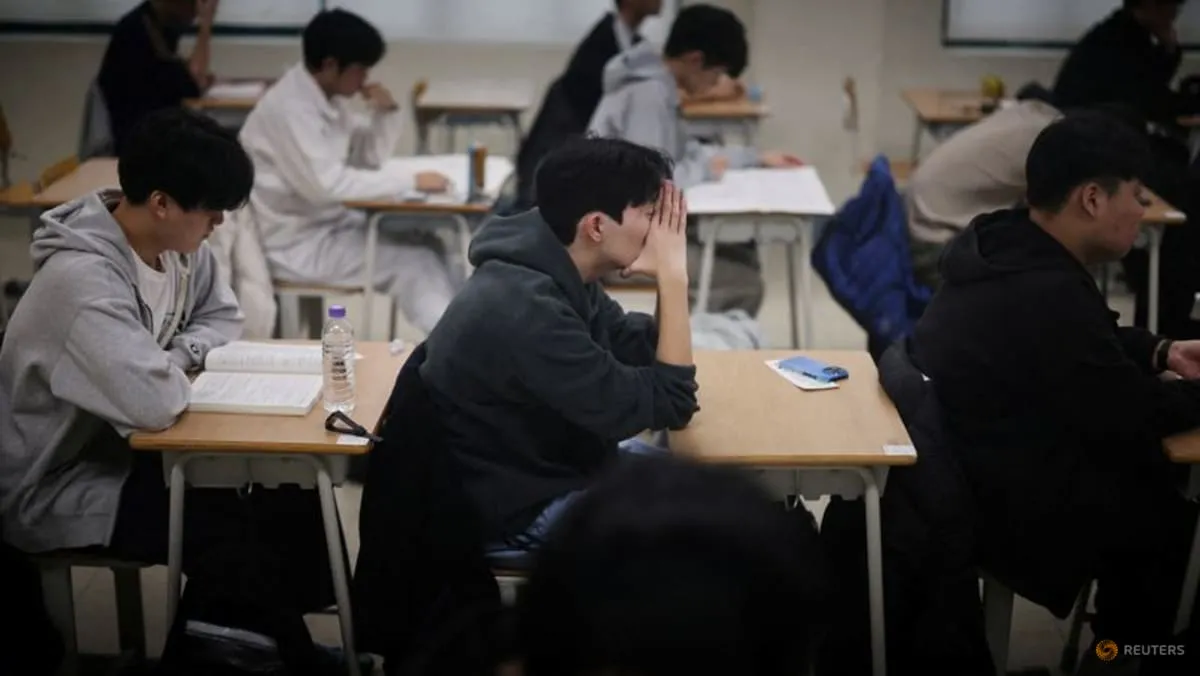
PARIS – Prominent educational psychologist Jean-Pierre Bellier recently highlighted that signals of crisis among French students should have been detected much earlier. He asserted that various data, testimonies, and even reports from headmasters (proviseurs) were available, but these warnings were seemingly ignored, culminating in a significant student movement.
In an opinion piece published in Le Monde newspaper, Bellier explained that annual surveys routinely conducted at the beginning of each academic year with proviseurs serve as an effective mechanism. These surveys function as weak signal detectors, capable of measuring various difficulties and potential problems faced by the educational environment.
Bellier's claim reopens the discussion on the effectiveness of monitoring systems within French educational institutions. He implicitly criticizes the authorities' response to early indicators that should have formed the basis for preventive intervention.
The student movement, or mouvement lyceen as it is known in French, often stems from deep dissatisfaction with educational policies, facility conditions, or even broader socio-economic issues. A failure to understand these root causes can exacerbate the situation and trigger escalation.
Given the sensitivity of educational issues, Bellier's report serves as a crucial reminder. A responsive education system should not only collect data but also possess robust mechanisms to follow up on these findings with concrete policies.
Proviseurs, who interact directly with thousands of students daily, are indeed on the frontline of detecting shifts in mood, concerns, or potential unrest in schools. Their insights are invaluable for formulating effective educational policies.
However, Bellier implies that this vital information was not translated into tangible action. The data 'we had' and the testimonies 'we gathered' seemingly remained mere archives, not catalysts for change.
This phenomenon is not new in France. History shows that student movements often serve as a barometer for larger social and political tensions. Ignoring their grievances risks triggering broader instability, as seen in past unrest in Paris or burning cost-of-living protests.
This situation demands a thorough evaluation of how the French government manages input from the educational grassroots level. Openness and speed of response are key to preventing small problems from transforming into national-scale crises.
Bellier emphasizes that the key to overcoming these difficulties lies in acknowledging and utilizing existing information. Strengthening the role of proviseurs as 'weak signal detectors' is not only their duty but also the responsibility of all stakeholders to listen and act.
Editorial Insight: Jean-Pierre Bellier's statement is a sharp critique of bureaucracy and a lack of political will in responding to early warnings. If a system already possesses tools for problem detection, but its findings are ignored, then the problem lies not in data availability but in the decision-making process. This could be a reflection of dissonance between on-the-ground needs and policy priorities at higher levels, potentially leading to public distrust and broader social tensions in the long run. The effectiveness of global education governance will continue to be questioned if critical signals like these are not heeded.