 Angel Doris
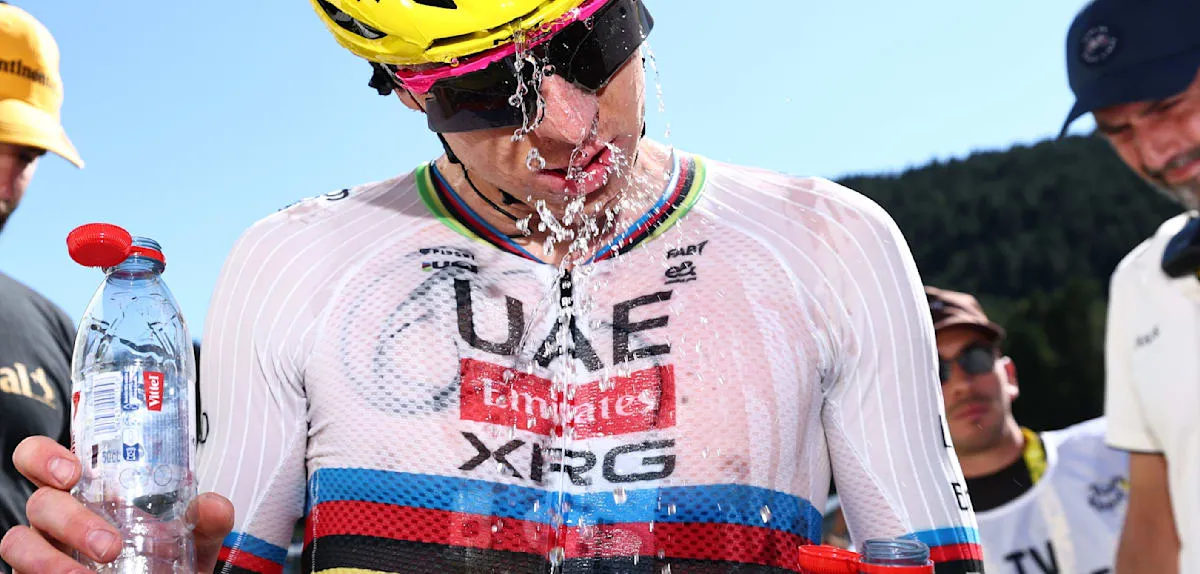
FRANCE — In an unprecedented move throughout its 113-year history, Tour de France organizers have made a drastic decision to adjust the route ahead of a crucial stage on Sunday, 2026. This decision comes amidst an extreme heatwave threat expected to sweep across much of France, with temperatures projected to reach 40 degrees Celsius.
This lead marks a pivotal moment for one of the world's most iconic cycling events. The severe heatwave has compelled race authorities to prioritize the safety of athletes and staff above tradition and rigidly set schedules.
Weather forecasts indicate a significant temperature increase, with its peak anticipated on Sunday, 2026. These conditions pose potential risks of dehydration, severe fatigue, and even heatstroke for cyclists who must exert maximum effort under the scorching sun.
French meteorology experts have issued a high-level alert, categorizing this heatwave as 'Red Alert'. This condition requires all parties, including organizers of major events, to take serious mitigation measures.
The decision to adjust or 'trim' stages is a direct response to the unfavorable climatic conditions. Such a measure, although considered in previous extreme weather incidents, is being officially implemented on a large scale for the first time in the Tour de France.
Sources within the organizing committee, who preferred to remain anonymous, revealed that discussions regarding this step have been intense. The primary priority is to ensure the integrity of the race is maintained without compromising the physical well-being of the athletes.
This route adjustment is expected to affect several stages passing through the most sun-baked regions, including possible changes in start times or reductions in distance. Specific details regarding which stages are impacted are still being finalized but will be announced shortly.
This is not the first time France has faced extreme climate challenges; previously, a similar heatwave in 2026 also forced the closure of iconic destinations like the Eiffel Tower and the Louvre, and even led to a shortened Tour de France as reported in the article Paris Tercekik 35 Derajat: Menara Eiffel dan Louvre Tutup, Tour De France Terpangkas.
The response from participating teams and riders has generally been supportive, despite concerns about its impact on race strategy. Many understand that safety is paramount, and this measure is a necessity.
This historic step underscores the growing challenges for major sporting events worldwide due to global climate change. Event organizers must become increasingly adaptive and innovative in confronting unpredictable natural conditions.
In addition to route adjustments, organizers are also enhancing hydration and medical facilities along the course. The addition of water stations and standby medical teams is an integral part of the emergency plan to maintain the riders' condition.
This decision is expected to set a precedent for other international sports events to be more proactive in responding to extreme weather threats. The safety and health of participants must always be the top priority.
Cycling fans globally will undoubtedly monitor closely how these adjustments affect the race dynamics. Despite the changes, the spirit of competition and athlete resilience are expected to remain the primary focus of the 2026 Tour de France.