 Demian Sahputra
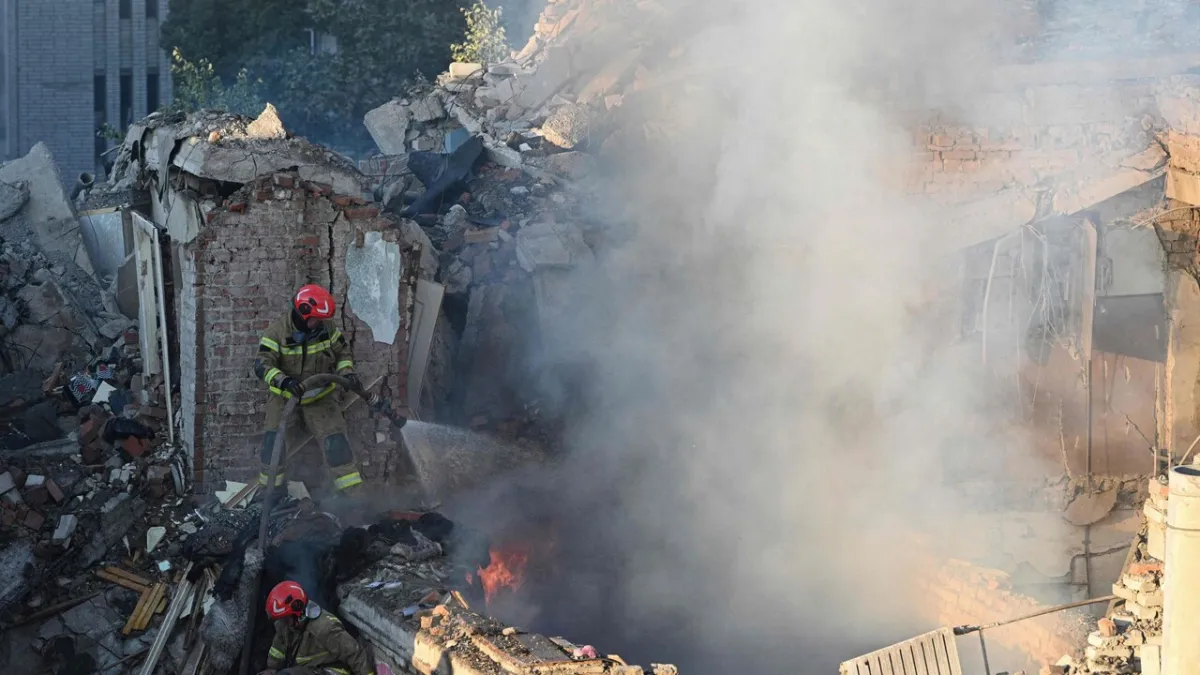
Recent massive Russian missile strikes have rocked several cities in Ukraine, resulting in at least eight civilian deaths, including two toddlers. This tragic incident occurred in various strategic locations such as Kyiv, Kryvyi Rih, and Poltava, as Moscow claimed to be targeting military installations.
Initial data from Ukrainian authorities confirmed eight fatalities, among them two children under five years old, adding to the long list of civilian suffering due to the escalating conflict. These air strikes hit vital infrastructure, raising global concerns about violations of international humanitarian law.
The Russian Ministry of Defense, in an official statement, claimed their precision strikes targeted 'military objectives' in Ukraine. The statement specified that attacks focused on airports, industrial facilities, and telecommunications centers deemed crucial for Kyiv's war effort.
However, testimonies from the ground and initial investigation reports indicate that some of the hit targets were in residential areas or close to civilian facilities. This raises serious questions about the accuracy and legitimacy of Moscow's 'military target' claims.
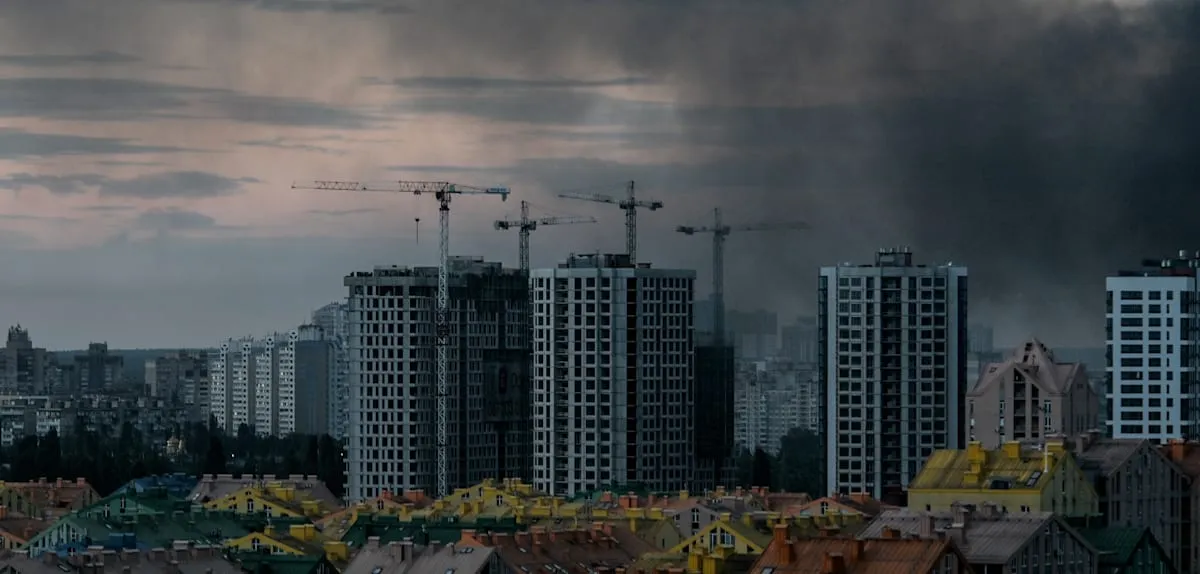
In Kyiv, the capital of Ukraine, air raid sirens blared throughout the morning, forcing thousands of residents to seek shelter in bunkers and underground metro stations. Missile fragments were reported to have hit several apartment buildings, although more severe damage was reported in the city's outskirts.
A similar situation occurred in Kryvyi Rih, an industrial city in central Ukraine, and Poltava, a city in the northeast. In both locations, industrial facilities now repurposed to support Ukraine's defense were primary targets, but collateral effects on surrounding areas were unavoidable.
Ukrainian President Volodymyr Zelensky has vehemently condemned these attacks, calling them 'acts of terrorism' that target innocent civilians. "The world must act more decisively to stop Russian aggression," Zelensky stated in his nationally televised address earlier this week. Zelensky Rocks Washington: Claims War Out of Control, Russia Hunts Telegram Boss.
The international community, including the United Nations (UN) and the European Union, immediately issued statements condemning the attacks. They called for a thorough investigation into the incidents that caused child deaths, reminding all parties of their obligations under the laws of war.
The psychological impact on Ukrainian citizens, particularly children, continues to worsen. Humanitarian organizations report a significant increase in trauma and anxiety disorders among a population constantly living under the threat of attack.
The threat of this war indeed continues to escalate, as depicted in the related article Russian Attacks Shake Ukraine: Casualties Rise, Poland on High Alert for Fighter Jets. The long-term consequences of this armed conflict will continue to haunt future generations.
Military analysts note an increase in the intensity of Russian attacks, especially after a series of Ukrainian-claimed advances on the front lines. These missile strikes are interpreted as Moscow's attempt to undermine Ukraine's morale and logistical capacity.
The situation in Ukrainian airspace remains a major concern, with air defense systems continuously attempting to intercept incoming missiles. While some are successfully shot down, a significant number still reach their targets, causing widespread damage and loss of life.
Attacks on telecommunications infrastructure also have a dual impact, not only disrupting military communications but also cutting off access to information for civilians, creating chaos and exacerbating panic.
Humanitarian aid from various countries continues to flow into Ukraine, but access to some of the most severely affected areas remains a challenge. The current top priority is to provide medical and psychosocial support to victims and their families.
These developments underscore that the conflict in Ukraine is far from over and continues to demand serious global attention. The death of toddlers in these attacks serves as a painful reminder of the human cost of war.