 Chris Robert
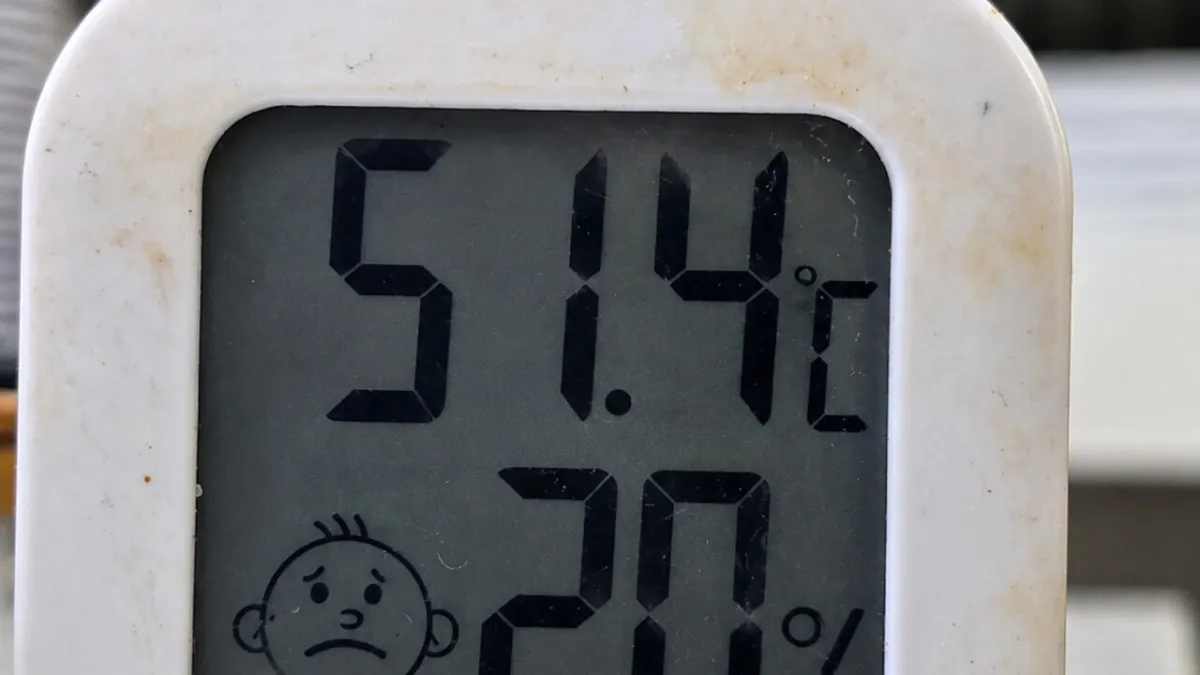
ROME – Leading employment platform, Restworld, is calling for definitive regulations regarding the maximum temperature limit in restaurant kitchens. This appeal arises from the absence of clear mandates protecting chefs from extreme heat exposure, a condition potentially jeopardizing their health and workplace safety across Italy.
This situation fuels serious concerns among culinary professionals. Many chefs report inhumane working environments, especially during increasingly extreme summer seasons, without clear guidelines on when they are permitted to cease work due to unbearable temperatures. This is not merely an inconvenience but a tangible threat to both short-term and long-term health.
Restworld, as a significant representative in the hospitality industry, underscores the urgency of establishing safety standards. They argue that clear temperature regulations would foster a fairer and more humane working environment, while also ensuring worker productivity remains unimpaired by declining physical conditions.
Without explicit limits, chefs often feel compelled to work beyond their bodys tolerance. Excessive heat exposure can lead to severe dehydration, acute fatigue, dizziness, and even life-threatening heatstroke. This constitutes a fundamental issue in workers' rights that must not be overlooked.
The Italian government and labor unions are urged to take concrete action immediately. The formulation of policies that accommodate maximum temperature standards in restaurant kitchens is a crucial step to guarantee the dignity and well-being of thousands of chefs who form the backbone of the gastronomic industry.
Scorching kitchen conditions are a daily reality for many chefs. Cooking equipment emitting constant heat, coupled with often inadequate ventilation, creates a microclimate far above normal room temperatures. This is exacerbated by high work pressure and long working hours.
Restworld emphasizes that workplace safety is not solely about preventing physical accidents but also about protecting workers from unseen environmental hazards, such as excessive heat. They believe that investment in safety will directly correlate with improved morale and staff retention.
Other European nations, such as Germany and France, have begun to consider similar regulations, though their implementation varies. Italy, with its global culinary reputation, bears the responsibility to pioneer workplace safety standards in this sector.
The Italian Minister of Labor has not yet provided an official response to this call. However, this issue is expected to become a hot topic on the agenda for workers' rights discussions in parliament by mid-2026, particularly with the increasing awareness of global climate change impacts.
Restaurant owners are also expected to be proactive in creating safe working environments. Implementing adequate cooling systems, providing sufficient drinking water, and establishing regular break schedules are initial steps that can be taken while awaiting official regulations.
Maximum temperature regulations will not only protect chefs but can also enhance the quality of service and culinary products. Healthy and comfortable chefs will be more focused and creative in their tasks, positively impacting customer experience.
This issue highlights the challenges faced by the service industry amidst climate change. Rising global average temperatures demand serious adaptation in labor standards, especially in sectors vulnerable to heat exposure.
Editorial Insight:
Restworlds appeal emerges as a reflection of fundamental regulatory gaps within Italys culinary industry. The ambiguity surrounding maximum temperature limits not only endangers chefs' health but also Italy's image as a gastronomic hub that values its workers. The government has an opportunity to lead by example, not only to ensure worker welfare but also to set new standards that other nations, particularly in Europe, can follow. The implementation of these regulations could mark a significant moment for broader workplace safety reforms.