 Angela Stefani
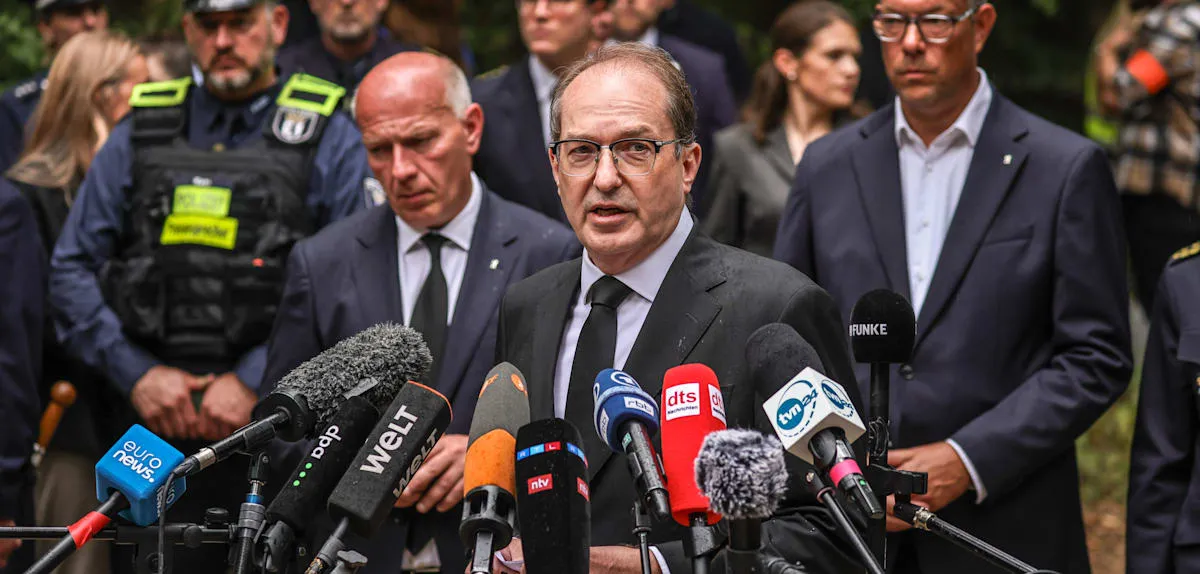
Berlin — Leading German politicians have sharply criticized the country's justice and security systems after the revelation that Abdul B., an individual strongly suspected of involvement in the rampage incident at the CSD (Christopher Street Day) 2026 celebration, had previously been at large despite having a criminal record and prior convictions. A major question now arises: why was a dangerous individual like Abdul B. not in custody, especially after the tragic incident that shook the German capital?
Interior Minister Christian Dobrindt and Berlin Mayor Kai Wegner, both from the Union parties, separately expressed deep surprise and disappointment over the situation. They demand a comprehensive explanation from relevant authorities regarding the release procedures and supervision of high-risk individuals. “This is truly frustrating. How can a suspected perpetrator of a serious crime, who is already known and even convicted, be freely roaming?” Dobrindt stated, as quoted from his official statement.
Wegner, who led the capital when the horrific incident occurred, also underlined the urgency of reviewing the surveillance system. “The safety of Berlin's citizens is an absolute priority. We must understand the points of failure that allowed such an incident to happen and immediately take corrective measures,” he emphasized, referring to widespread public concern following the van attack that struck CSD Berlin 2026.
Responding to this polemic, the Chairman of the Young Union (Junge Union, JU), Carsten Winkel, called for a fundamental tightening of criminal law. Winkel argued that the Abdul B. case highlights loopholes in legislation that require a rapid response. “It is time for parliament to revise laws to be stricter towards repeat offenders or those who potentially pose a threat to the public,” Winkel asserted, echoing a sentiment growing among German conservatives.
Abdul B.'s identity came to light after the CSD incident. Police records indicate he was not unknown to law enforcement. He had a criminal history, although specific details regarding the type of crime and his conviction are still being further investigated by the media. Authorities refused to provide full details, citing the integrity of the ongoing investigation, but confirmation of his status as “known to authorities and convicted” has triggered a wave of public anger.
This incident has shaken public trust in the state's capacity to protect its citizens. Many are questioning the effectiveness of the correctional system and deradicalization programs, especially for individuals who might have radical tendencies. These concerns are amplified by previous reports warning of the danger of extremism lurking in Germany.
The controversy surrounding Abdul B. also opens up a broader discussion about Germany's national security policies. Questions regarding coordination among intelligence agencies and law enforcement become crucial. Was crucial information missed or not effectively shared between departments? Terrorism experts have previously highlighted that attackers often exploit weaknesses in surveillance systems.
Calls for accountability do not only come from politicians. Various civil society organizations and victim advocacy groups also demand full transparency and concrete steps to prevent similar incidents from recurring. They hope the Abdul B. incident will be a momentum for comprehensive reform in security risk management in Germany.
The Federal German Government, through its spokesperson, has promised to conduct a thorough investigation into all aspects related to the Abdul B. case and the CSD incident. The investigation results are expected to provide recommendations for policy and procedural improvements so that existing security gaps can be closed.
This situation places significant pressure on the governing coalition to demonstrate a strong and reassuring response. Amidst Germany's political turmoil, handling this security crisis will be a critical test for the country's leadership. With CSD 2026 marked by tragedy and major questions surrounding security, the German public awaits real answers and solutions from policymakers.