 Dodi Irawan
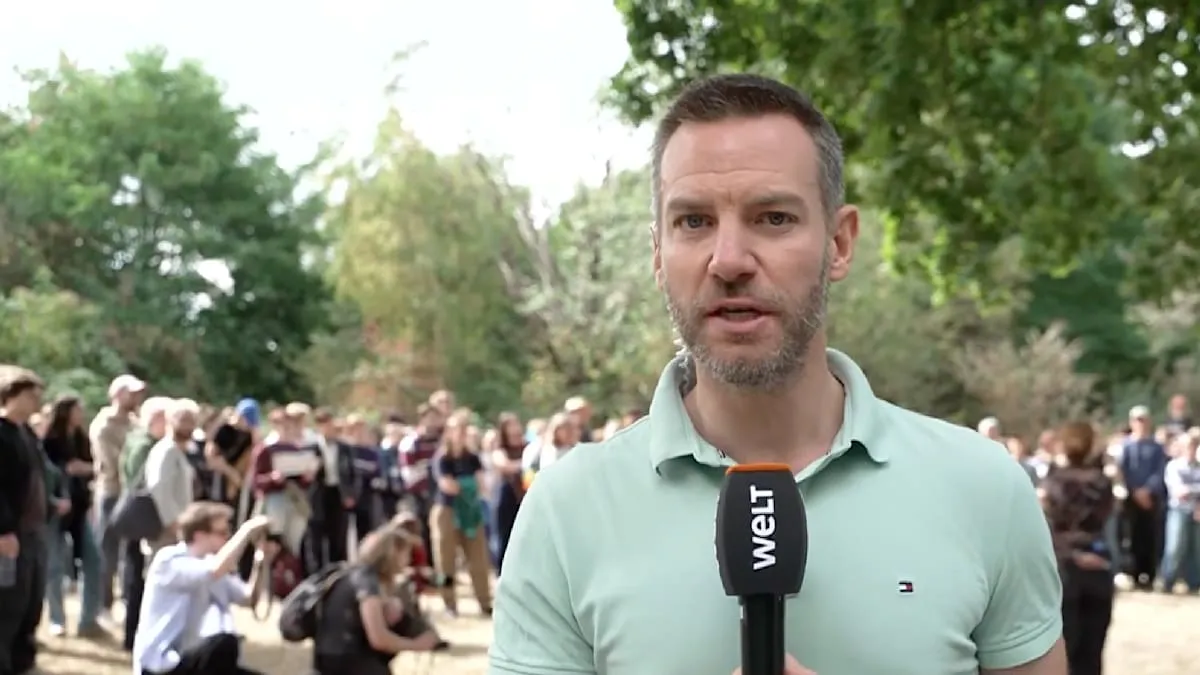
Zurich — FIFA President Gianni Infantino is currently embroiled in controversy following an ambitious plan to sell a portion of the World Cup's commercial rights to investors. This strategic move, aimed at boosting revenue, has instead triggered serious accusations of potential "greasing" practices towards member federations, as revealed by WELT economics editor, Holger Zschäpitz, in a sharp analysis.
The plan to sell commercial rights emerged as part of FIFA's efforts to diversify revenue streams and secure long-term financial stability for the organization. However, the proposal's details, implying a payment of up to 20 million to each member association, raise significant questions about the transparency and integrity of the decision-making process in 2026.
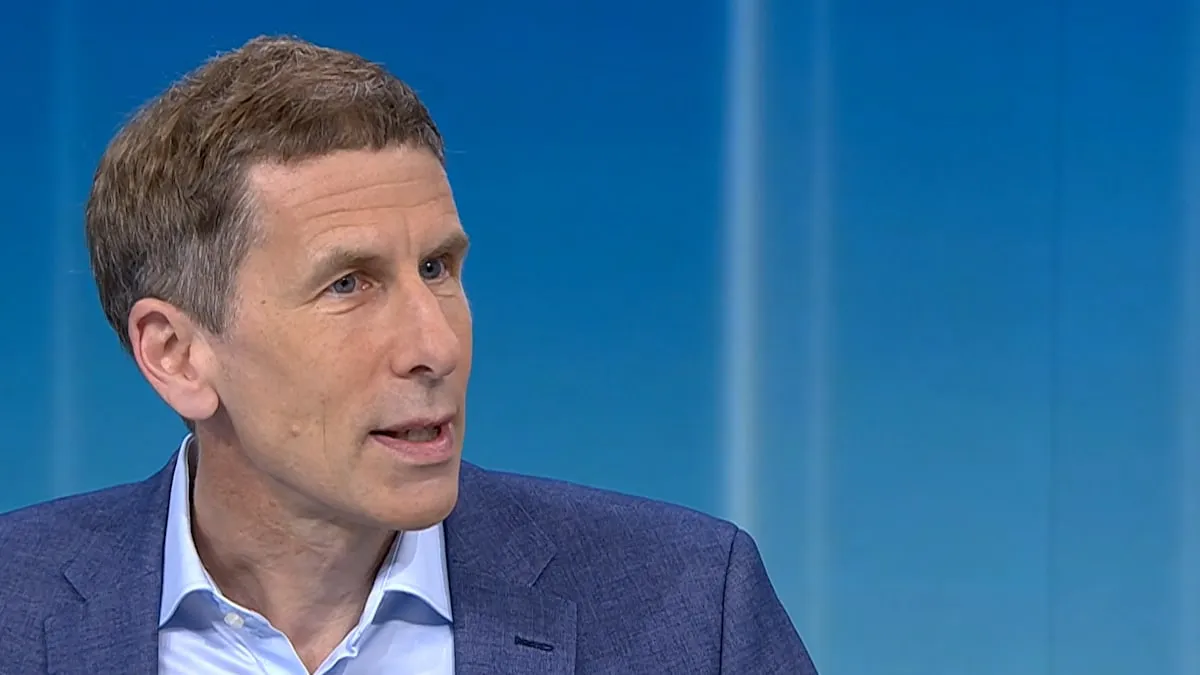
Zschäpitz, an economic observer known for his critical stance on global policies, did not hesitate to voice his concerns. "Each association will receive 20 million, so people are being bribed," he stated bluntly, highlighting the potential moral hazard that could arise from such a fund distribution scheme. This statement immediately intensified the debate surrounding FIFA's governance, which has frequently come under public scrutiny.
FIFA's history is marred by various governance scandals and corruption allegations that have shaken the organization in the past. Although Infantino has repeatedly affirmed his commitment to reform and transparency since taking office, this move to sell commercial rights once again raises doubts among observers and football fans worldwide.
The World Cup's commercial rights are FIFA's most valuable assets, encompassing broadcasting rights, sponsorships, and licensing. Divesting partial ownership to external investors is not merely a common financial transaction but a fundamental decision that could significantly alter the global football economic landscape and the independence of federations.
Critics argue that an injection of 20 million into each federation, while seemingly beneficial on the surface, could serve as a tool to silence potential opposition or secure political support for specific policies within FIFA. This presents a complex ethical dilemma for football leaders across the globe.
Transparency in the negotiation process and the selection of investors is crucial to ensure that this agreement truly serves the long-term interests of football, rather than being a quick fix that could lead to new problems. The football community awaits a comprehensive explanation from FIFA regarding mechanisms to protect against conflicts of interest and unethical practices.
Reactions from various member federations have so far been mixed. Some welcome the prospect of increased revenue, particularly for federations with limited resources. However, many also express caution, worried about the long-term impact on their organizations' autonomy and credibility in the future.
This policy could also spark serious debate about the future ownership and control of the world's largest football tournament. Will the World Cup remain property of the "people" of football, or will it increasingly shift into the realm of commercial entities and private investors? This question lies at the heart of growing concerns among fans and stakeholders.
Similar concerns about football management have arisen before, for instance, when controversy emerged over DFB being accused of betraying regional leagues in 2026 in Germany, demonstrating the public's high sensitivity to policies perceived as detrimental to grassroots football and sports values.
Infantino and his team are now demanded to provide in-depth clarification, not only regarding financial details but also on how FIFA will maintain its integrity and independence amid an increasingly strong current of capitalization. The credibility of global football's highest body hangs in the balance with this decision.
FIFA's Ethics Committee and other independent oversight bodies will likely be asked to carefully review this proposal. Public and media pressure will play a vital role in shaping the final decision, ensuring that football continues to be governed by principles of fairness and universal sportsmanship.