 Chris Robert
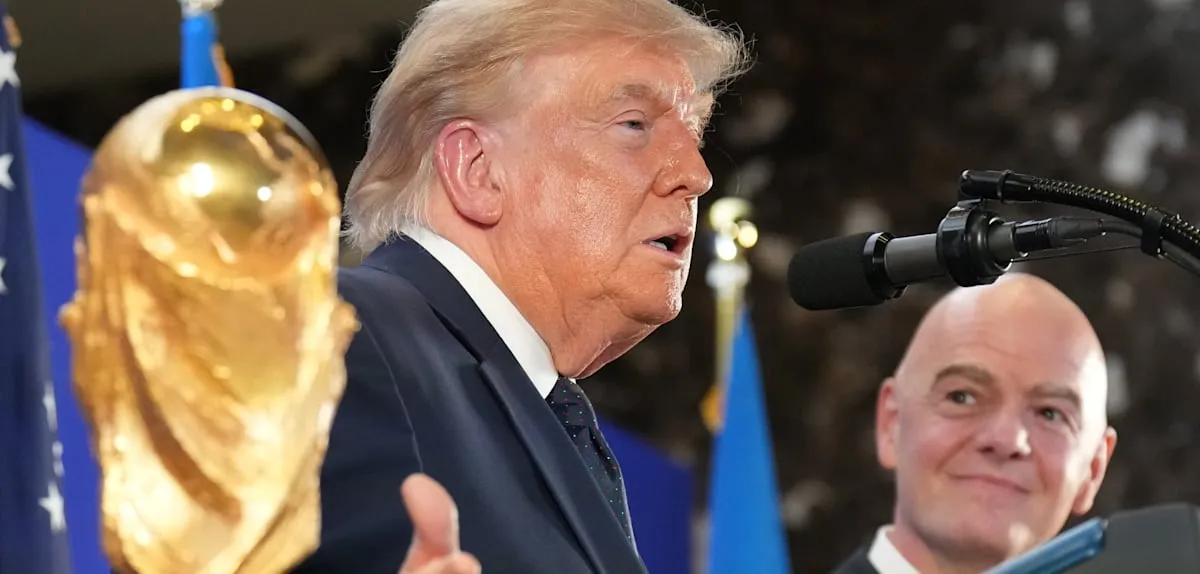
ZURICH — The International Federation of Association Football (FIFA), through its President Gianni Infantino, is proposing a massive expansion of the 2030 World Cup. Discussions about increasing the number of participants from 48 to 64 teams have emerged, sparking intense debate regarding the tournament format, logistical challenges, and potential impacts on the global football calendar. This ambitious plan aims to broaden the reach of national participation and enhance the commercial appeal of the world's most prestigious competition.
This idea is more than mere rumor. Internal FIFA sources indicate that intensive discussions have been ongoing at the organization's headquarters since early 2026. Infantino has personally articulated his vision for a more inclusive World Cup, where more countries have the opportunity to experience the atmosphere of this grand tournament.
The primary reasons behind this proposed expansion are the broadening of global representation and the increase in potential revenue. With more teams, FIFA hopes to tap into new markets and boost the value of broadcasting rights, sponsorships, and ticket sales. Each additional participant has the potential to bring millions of dollars into the federation's coffers.
However, this expansion is not without significant challenges. One crucial point is the adjustment of the match format. If the number of teams increases to 64, a different group arrangement or additional preliminary phases will be required, which would automatically extend the tournament duration. This could burden an already congested international calendar.
The host nations already designated for the 2030 World Cup—Spain, Portugal, and Morocco, along with Paraguay, Uruguay, and Argentina as symbolic opening match hosts—must prepare significantly larger infrastructure. Stadium capacity, accommodation, transportation, and training facilities will be key considerations.
Several football federations and top European leagues have voiced concerns. They worry about the increasingly packed player schedules, increased risk of injury, and the potential decline in match quality if too many "uncompetitive" teams participate.
President Infantino, on several occasions, has emphasized that "football belongs to the world, and every nation has the right to dream of participating on the biggest stage." This statement underlines his commitment to making the World Cup more accessible to more FIFA members.
Beyond the sporting perspective, the economic aspect is a major draw. An increased number of matches and teams will create broader economic opportunities for host countries, ranging from tourism to temporary job creation.
World Cup expansion is not new. The tournament has evolved from 16 teams to 24, then 32, and now 48 teams starting with the 2026 edition in North America. The idea of 64 teams is the next and most ambitious leap. This reminds us of a previous article on World Cup 2030: FIFA Pushes for Rapid Expansion, 64 Teams a Reality?.
The final decision on this expansion will likely be made at the next FIFA congress. Stakeholders, including regional confederations, must reach a consensus to avoid disruption and ensure smooth preparations for the 2030 World Cup.
Global football fans and public reaction are divided. Some welcome the greater opportunity for smaller nations, while others worry about losing the tournament's exclusivity and prestige.
The increasingly dense schedule also raises serious concerns about player health and well-being. With intense domestic seasons and inter-club competitions, the addition of international matches could push players to their physical limits.
Given the dwindling time until 2030, the urgency to accelerate infrastructure development and upgrades becomes crucial. FIFA's projections must align with the actual capacities of the host nations.
Technology is expected to play a significant role in managing the logistics of a larger tournament, from ticket management to efficient match scheduling.
The proposal to expand the 2030 World Cup to 64 teams is a bold step reflecting FIFA's ambition to continue developing football. While promising great opportunities, the accompanying challenges are also substantial. FIFA needs to balance its inclusive vision with the sustainability and quality of the tournament.