 Dorry Archiles
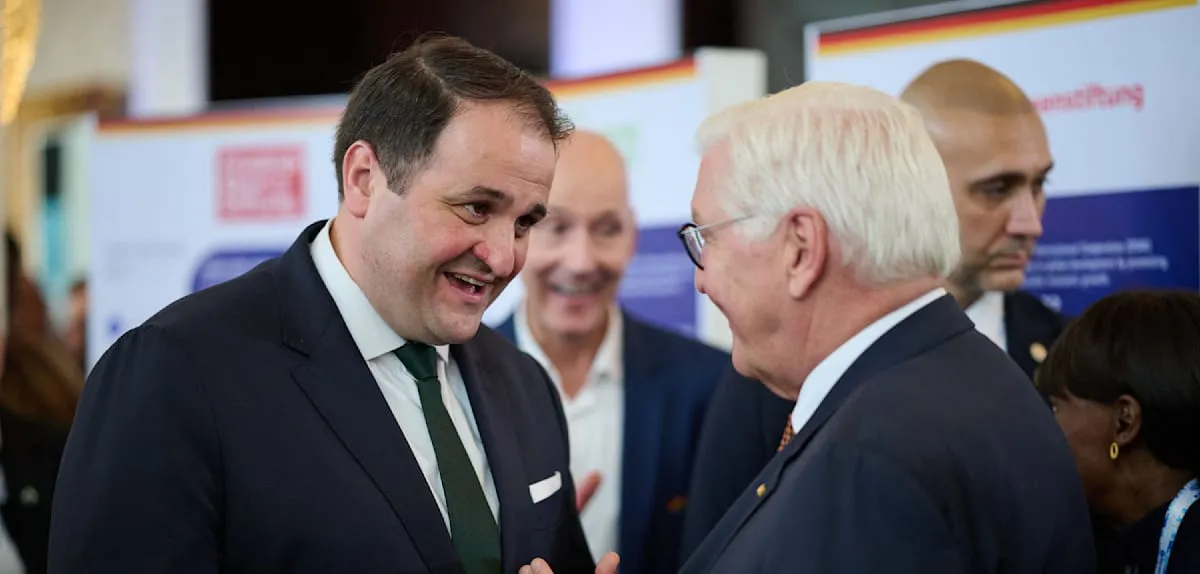
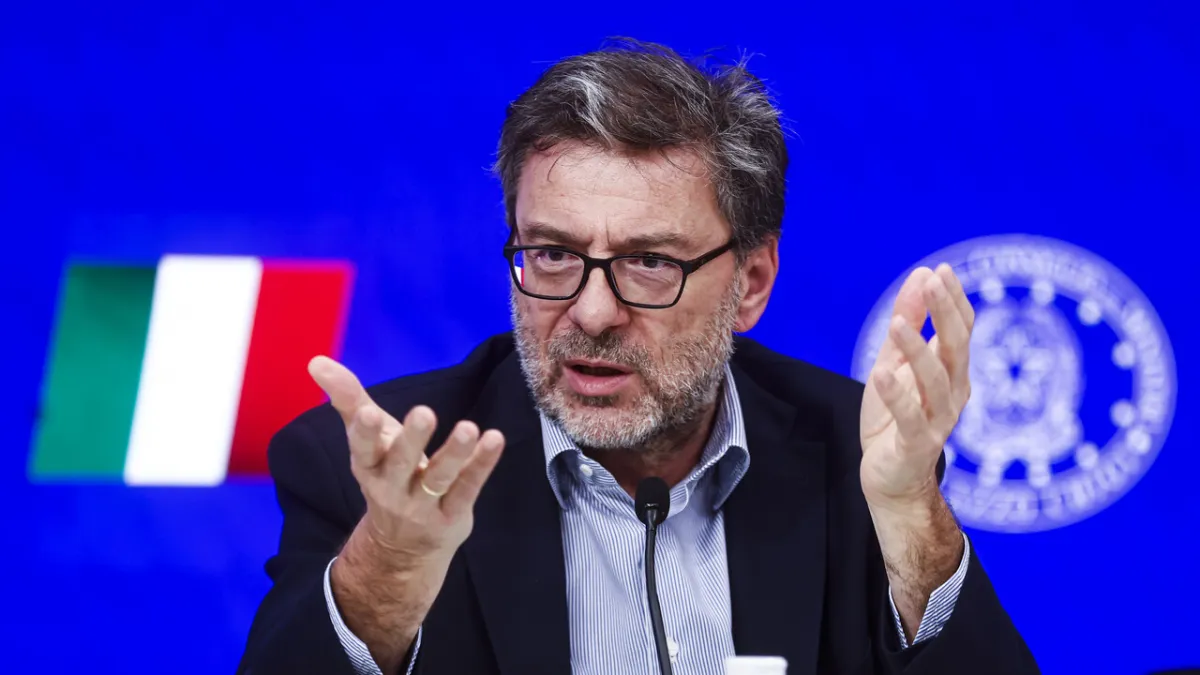
BONN – The German political landscape is stirred by an unexpected incident: the Minister for Federal and European Affairs, International Affairs, and Media, as well as Head of the State Chancellery of North Rhine-Westphalia (NRW), Nathanael Liminski, found himself stranded in Ghana in 2026. A technical malfunction on his plane prevented his timely return to participate in a crucial budget debate in the Dusseldorf Landtag, sparking a wave of anger from the opposition demanding explanations and accountability for the senior officials absence.
News of Minister Liminskis delay quickly spread among parliament members, especially as the Landtag prepared to discuss financial projections and vital fund allocations for North Rhine-Westphalias development. Minister Liminskis presence, as one of the governments pillars, was considered essential for explaining and defending the proposed budget policies.
The incident began when the aircraft carrying Minister Liminskis delegation experienced a serious malfunction in Ghana, a West African nation, after completing a diplomatic agenda. Details of the damage are still under investigation, but the impact was immediately felt in Dusseldorf, the NRW government seat, where his absence created a void in representation.
A spokesperson for the NRW government confirmed that Minister Liminski and his team are safe but face logistical challenges in returning to Germany promptly. Efforts to find alternative flights have been made, but the tight schedule and the complexity of international travel post-incident make the estimated return time uncertain.
The opposition in the NRW Landtag immediately seized upon the situation to launch sharp criticism. One opposition party representative, for instance, stated, 'Minister Liminskis absence from the budget debate is a serious failure in carrying out his duties. It demonstrates a lack of contingency planning and undervalues the sacred democratic process.'
The oppositions criticism was not only focused on the ministers physical absence but also highlighted the implications for representation. They questioned how a sensitive budget debate could proceed optimally without the direct presence of the party responsible for important portfolios such as international affairs and media. This raised questions about the legitimacy of decisions made.
This 2026 budget debate is particularly vital for North Rhine-Westphalia. The agenda includes investment allocations for infrastructure, education programs, and economic strategies amidst global challenges. Each budget item requires careful consideration and comprehensive explanations from the cabinet.
Despite efforts to delegate duties, the void left by a full minister who should have been directly present remains a focal point. The opposition argued that emergency conditions like this should have stricter substitution protocols, ensuring that the government continues to function without significant hindrance.
This event also sparked broader discussions regarding the efficiency and safety of high-ranking officials travel, especially to regions with potentially different aviation infrastructure. The public began to question the security and logistical standards applied to state travels.
The incident occurred amid an increasingly dynamic political climate in Germany, where domestic issues and budget policies are always fierce battlegrounds between the ruling coalition and the opposition. The absence of a minister at a crucial moment like a budget debate certainly provides new ammunition for opposing parties.
The opposition even linked this incident to broader criticisms of the coalition governments management. They argued that the incident was a symptom of a larger problem in the cabinets readiness and responsiveness to unexpected situations. In this regard, criticism of budget management in Germany has also emerged, as discussed in the following article: AfD Slams German Government's 'Debt Party': Budget Deemed Political Failure!.
The North Rhine-Westphalia government pledged to provide a full report on this flight incident and the steps that will be taken to ensure similar occurrences do not happen in the future. The primary focus currently is to ensure Minister Liminskis safe and swift return.
Society and the media await further developments from this incident. Not only is the ministers safety a concern, but also the short-term political impact on the stability of the NRW government and the states image in the public eye.
Editorial Insight: The incident involving Minister Liminski in Ghana is more than just a flight delay. It is a test of the administrative resilience and preparedness of a regional government in confronting unforeseen crises, especially during a crucial budget year. The strong reaction from the opposition indicates that every loophole, no matter how small, will be subjected to intense scrutiny in a competitive political landscape. This event also underscores the importance of robust emergency protocols for high-ranking officials travel, to maintain the smooth functioning of government and public trust.