 Dodi Irawan
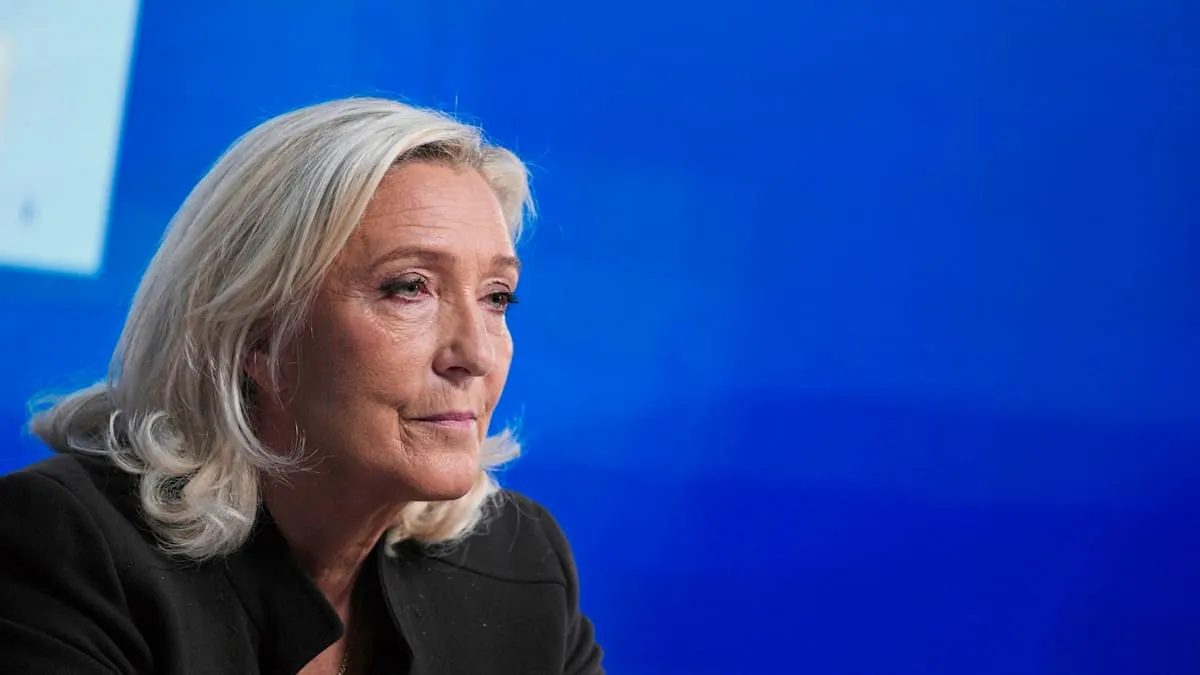
PARIS – French presidential candidate, Marine Le Pen, has provocatively called for an end to German dominance in the European Union (EU) amidst the tight race of the 2026 presidential election campaign. Le Pen's strong statement came as she sharpened her political rhetoric, directly targeting the power structure at the heart of the European bloc and potentially sparking new diplomatic tensions.
This call is not merely a typical campaign maneuver. Le Pen, who leads the National Rally (RN) party, has long been known for her Eurosceptic and nationalist stance. Her latest statement reiterates her ambition to reshape European alliances, focusing on greater French national interests and reducing what she perceives as excessive influence from Berlin.
German dominance within the EU has been a subject of debate for years, particularly after financial crises and migration issues highlighted Berlin's economic and political power in shaping policies in Brussels. As Europe's largest economy, Germany often holds significant sway in crucial decision-making.
However, for Le Pen and her supporters, this German influence is seen as overstepping, marginalizing the interests of other member states, including France. She argues that the EU should be an equal partnership, not an arena where one country unilaterally dictates policy direction.
Le Pen's statement is strategically designed to appeal to voters frustrated with EU bureaucracy and who feel their national sovereignty is being eroded. It also underscores her party's effort to position itself as an unwavering defender of French interests on the international stage.
Such strong rhetoric is often a hallmark of Le Pen's campaigns, as she consistently seeks to differentiate herself from mainstream pro-European politics. She has repeatedly called for deep reforms or even renegotiations of EU treaties to create 'a freer and more sovereign Europe'.
Reactions from Berlin and Brussels to these demands have so far been minimal, but are expected to spark intense discussions in European political circles. Debates about the balance of power within the EU are not new, but a direct call to 'end dominance' places it in a more confrontational context.
For France, the relationship with Germany is the backbone of European integration. Since World War II, the Franco-German partnership has been a primary driving force of the European project. Le Pen's demands could potentially undermine the foundations of this cooperation, should she win the presidency.
Political analysts suggest that this statement is also an attempt by Le Pen to divert attention from other domestic issues, while simultaneously positioning herself as a leader courageous enough to challenge the European status quo. This strategy could gain strong resonance among certain voter segments.
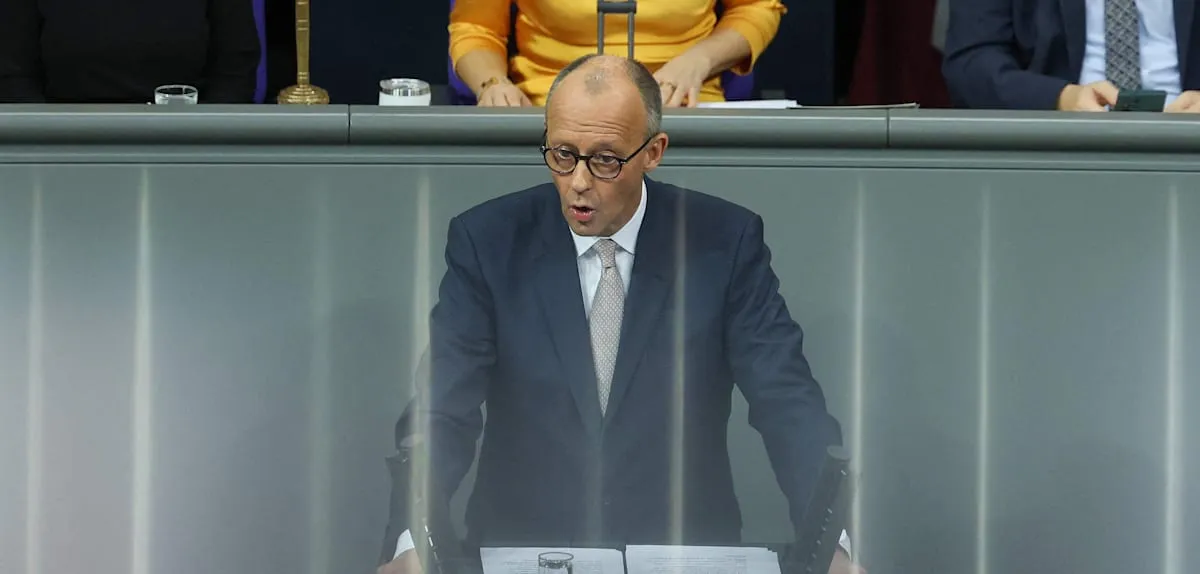
Similar tensions regarding German internal policies were also evident in debates concerning aid to Ukraine, as touched upon in the article Merz Pertanyakan Bantuan Ukraina, Parlemen Jerman Terbelah?, which indicates that even within Germany itself, there are complex political dynamics.
If Le Pen's views gain widespread support and she wins the election, the future of the European Union may face a period of significant uncertainty. Such a power shift could trigger a wave of renegotiations and debates about the direction of European integration in the coming years.
Editorial Insight: Marine Le Pen's statement is more than just a campaign bluff; it reflects a deep-seated unease among a segment of European society with the current integration project. By targeting German dominance, Le Pen strikes at the nerve center of national identity and the distribution of power within the EU. Regardless of the outcome of the French election in 2026, this rhetoric has the potential to trigger a serious re-evaluation of the leadership model within the European Union, forcing leaders to respond to sentiments rapidly growing across the continent. This could be a catalyst for a paradigm shift in EU politics in the future, either towards a more equitable integration or a deeper fragmentation.