 Stefani Rindus

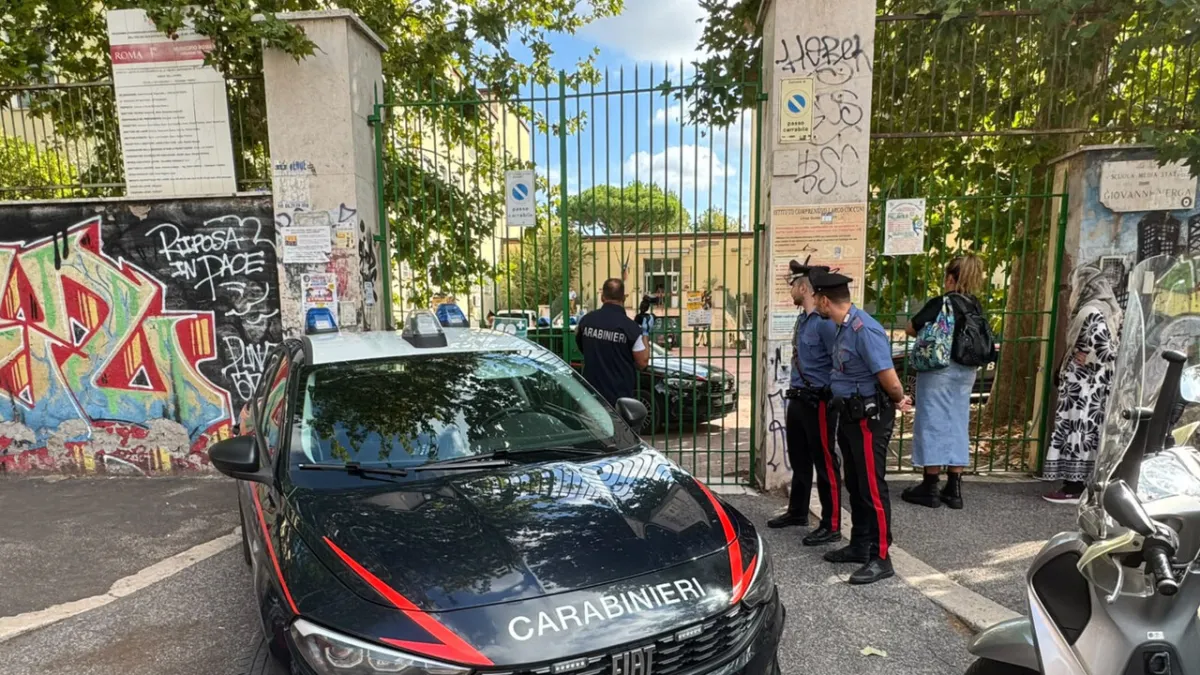
BERLIN — The German Police Union (DPolG) has sent an official letter to Chancellor Friedrich Merz, demanding a comprehensive overhaul of three crucial laws following the attack on the Berlin CSD parade, which rattled Germany's social stability earlier in 2026. This urgent call arises as Merz's considered policy of passport revocation is deemed insufficient to address the root causes of serious crimes related to security and immigration.
The letter, dispatched by the prominent police union, specifically targets regulations concerning asylum rights, citizenship status, and deportation procedures. They argue that current regulations contain significant loopholes exploited by perpetrators, particularly in issues pertaining to immigration and social integration within Germany.
Rolf Mülich, Chairman of DPolG, emphasized in his press statement, "Chancellor Merz's step to consider passport revocation is a good start, but it is not enough. We require structural reforms to these three pillars of law so that law enforcement agencies possess more effective tools to maintain public order and security."
The incident at Berlin CSD, which triggered a wave of concern across Europe, served as a catalyst for DPolG to adopt a firm stance. They highlight the urgency of tightening regulations, especially after it was revealed that many serious criminal cases involve individuals who should have already been deported or had a history of immigration violations.
One of the scrutinized laws is the Asylum Act (Asylgesetz). DPolG urges an acceleration of the asylum application process, with an emphasis on early identification of individuals who could pose a security threat or who have purely economic motives rather than seeking political protection.
Next, the Citizenship Act (Staatsangehörigkeitsgesetz) is also requested for review. The police union suggests clearer and stricter mechanisms for the revocation of dual citizenship or citizenship status for those proven to be involved in serious criminal offenses or terrorist activities, especially if they have connections to their country of origin.
Finally, the Deportation Act (Abschiebungsgesetz) is deemed to require the most urgent revision. DPolG proposes minimizing bureaucratic obstacles in the deportation process. They also call for stronger agreements with countries of origin to facilitate the forced return of individuals whose asylum has been rejected or who have committed crimes.
The Berlin CSD attack has opened the eyes of many to issues of integration and security in Germany. A recent report indicates that this incident marks Germany at a critical juncture for European integration in 2026, demanding comprehensive solutions from the government.
Merz, who assumed the Chancellorship in 2026, faces significant political pressure from various quarters. DPolG's demands add to a list of challenges in balancing national security needs with commitments to human rights and social integration. Internal debates within his party, the CDU, are also heating up, as alluded to in news regarding the Chairman of CDU Bremen shaking Berlin with criticism of Merz's leadership.
The federal government is expected to respond promptly to these demands with concrete actions, given the escalating public concern over domestic security. The proposed legal reforms have the potential to fundamentally alter Germany's immigration and security policy landscape, setting a precedent for other European nations.
This situation also highlights the complexity of maintaining a balance between humane policies and the need to protect citizens from threats. DPolG hopes their letter will spark a profound national discussion and lead to decisive legislative action for a safer future for Germany.