 Angela Stefani
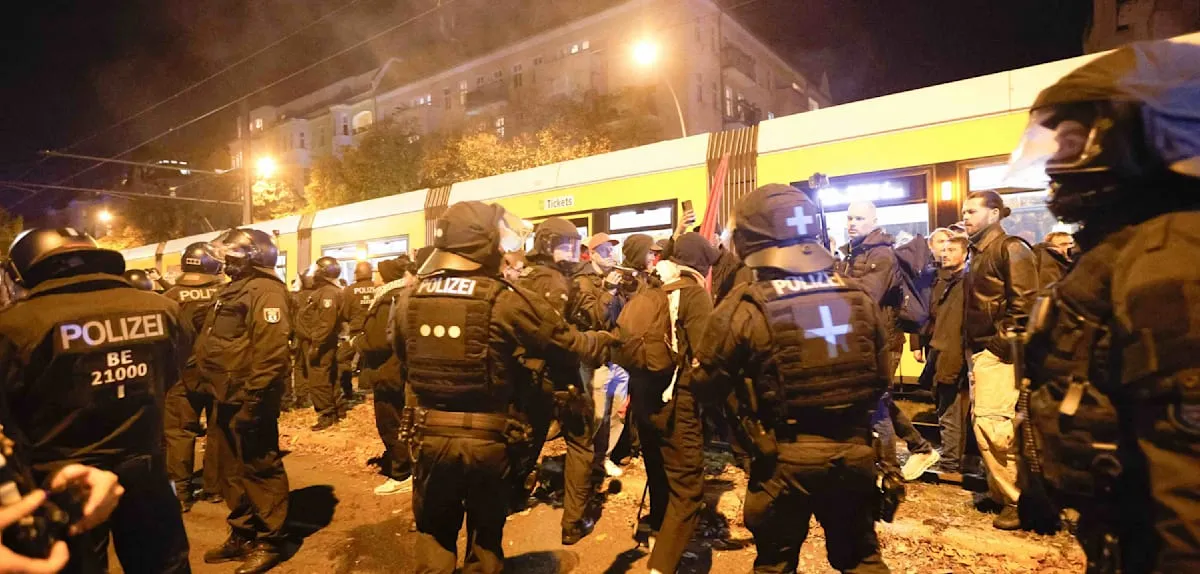
FRANKFURT – A severe wave of riots swept through Germany's financial hub, Frankfurt, this week, following the conclusion of a demonstration titled Gen Z regelt. The incident not only left extensive damage to public and private property but also triggered a wave of arrests and strong statements from German political leaders, calling for a decisive response to the violence.
The riots erupted shortly after the crowd dispersed from what began as a peaceful protest. According to local police reports, several individuals and groups began to act anarchically, smashing luxury shop windows and engaging in looting in several key commercial areas of the city. The situation was briefly out of control, forcing law enforcement to deploy full force to restore order.
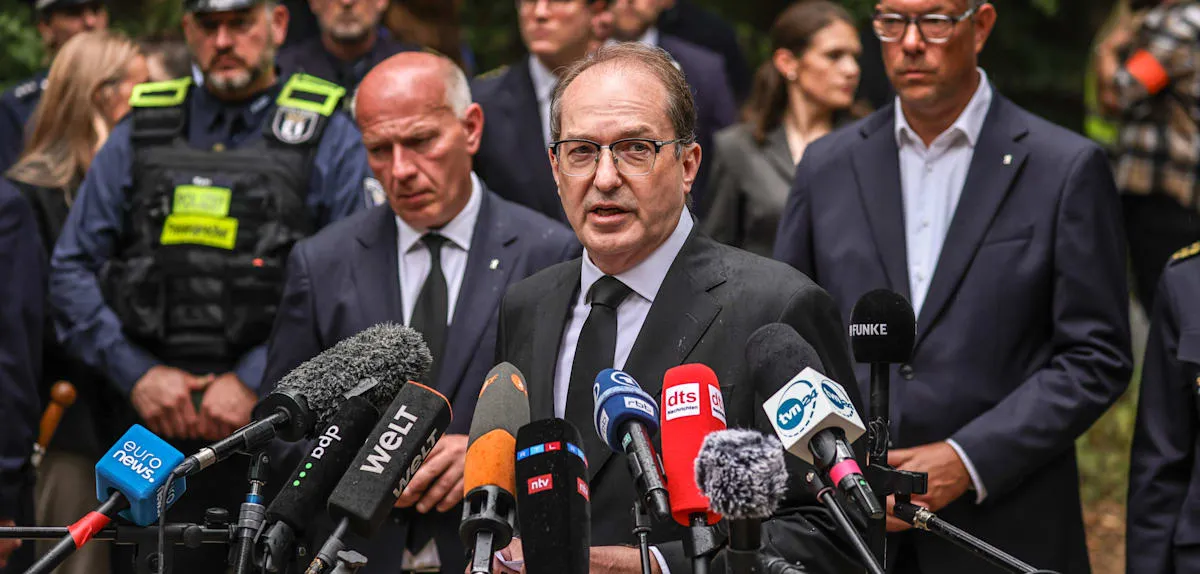
Alexander Dobrindt, Chairman of the CSU Regional Group in the Bundestag, was one of the first politicians to issue a sharp response. In his statement, Dobrindt explicitly pointed to violent left-wing groups and thugs from migrant circles as the perpetrators behind the wave of violence that rocked the financial city this week. These accusations immediately reignited the debate on integration and security in Germany.
We will not tolerate destructive behavior by groups seeking to create anarchy on our streets, Dobrindt asserted. Consequential and uncompromising action is needed to ensure those responsible receive fitting punishment under the law.
Frankfurt police confirmed the detention of dozens of individuals in connection with the looting and vandalism. City cleanup operations are ongoing, while a thorough investigation is being conducted to identify all perpetrators and the motives behind this series of violent acts. Authorities have pledged to take firm action against any legal infringements.
This incident reinforces concerns about increasing social tension and political polarization in several major German cities. Such violence is not an isolated event; in the previous year, 2025, other cities such as Hamburg also experienced similar incidents, as reported in the article Riots Break Out in Hamburg: Hundreds of Demonstrators Arrested!.
Political leaders from across the spectrum, including those from the left, have strongly condemned the looting and vandalism. While Dobrindt specifically mentioned left-wing groups, many have called for investigations to focus on individuals who commit violence, regardless of political affiliation or ethnic background.
Calls for more constructive dialogue on social and political issues have also emerged after the riots. Some observers argue that this violence is a manifestation of deeper frustrations within society, requiring comprehensive solutions rather than mere law enforcement.
At the same time, Dobrindt's statement also sparked debate about the narrative linking the riots to migrant backgrounds. Some worry that this could worsen stigmatization and hinder ongoing integration efforts. The federal government under Chancellor Olaf Scholz is urged to take a clearer stance in addressing this situation.
Frankfurt City Council is now reviewing emergency measures to restore a sense of security and public trust. Plans for repairing damaged infrastructure and business properties are also being drawn up, with estimated losses reaching millions of Euros. This event serves as a bitter reminder of the fragility of social order that can break at any time.
Editorial Insight: The Frankfurt riots are not just an incident of vandalism, but a reflection of the complex social and political landscape of Germany in 2026. Alexander Dobrindt's direct accusation against specific groups, especially migrant circles, has the potential to deepen polarization, even as left-wing parties like Die Linke seek political breakthroughs in Berlin. The biggest challenge for the government is to take firm action against violent perpetrators without triggering broader social divisions, and to address the root causes of discontent that fuel such outbursts.