 Edward DP Situmorang
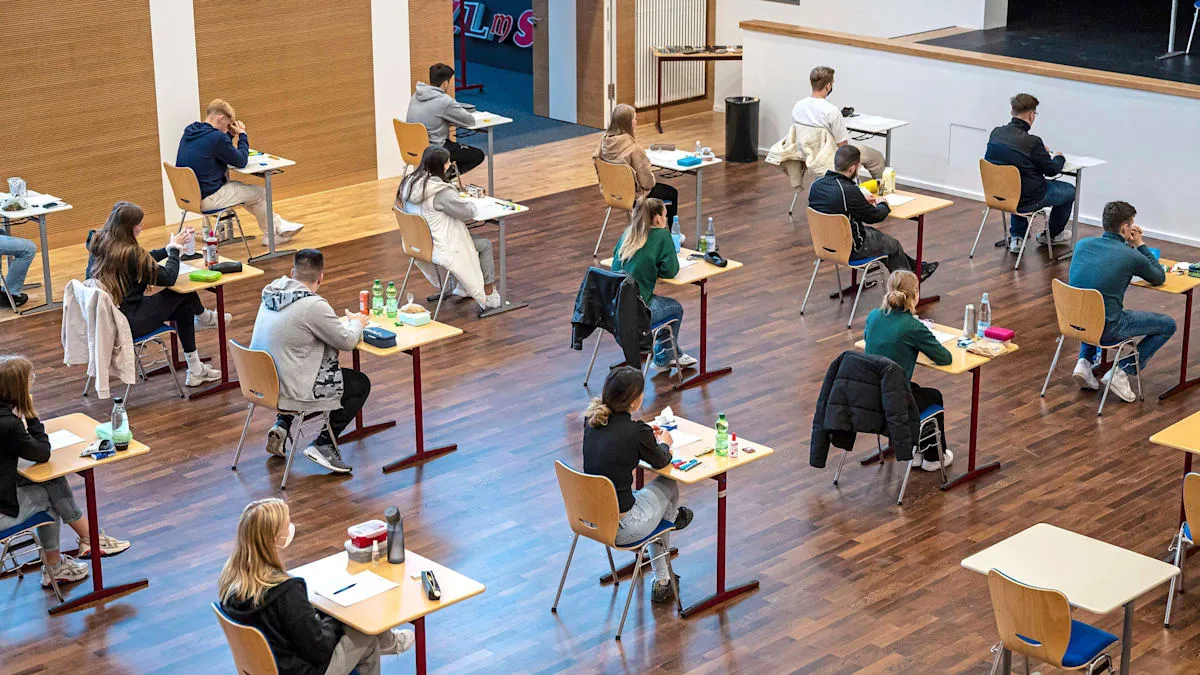
Mecklenburg-Vorpommern — A fiery speech delivered by a student during her Abitur graduation ceremony at a gymnasium in this state recently shook the German education landscape. The speech drew sharp attention for starkly highlighting the chaotic conditions at her school, where almost a third of her peers failed their final exams. This incident has sparked a serious debate about the quality standards of education and student well-being in Germany in 2026.
The incident began during the Abitur celebration, a moment that should have been filled with joy and pride. However, for many students at the gymnasium, including the orator, the atmosphere was clouded by deep disappointment. Statistics show that approximately one-third of all Abitur candidates at the school failed to graduate. This astonishing figure became the main catalyst for the student's anger.
With extraordinary courage, the student stepped onto the podium and delivered her challenging oration. She held nothing back, expressing the collective frustration of the students with what she described as an unfair education system and deplorable school facilities. Every word uttered was laden with emotion, reflecting disappointment with an institution that was supposed to guide them towards the future.
The climax of her speech came with a controversial and shocking closing statement: "Fickt euch einfach nur alle." This phrase, though vulgar, effectively conveyed the profound level of despair and anger. The video of her speech quickly went viral on social media, triggering a wave of reactions from various segments of society, from fellow students and parents to education observers and politicians.
This incident is not merely a reflection of a problem in one school alone, but rather uncovers old wounds in the often-criticized German education system. Many parties argue that heavy curriculum pressure, lack of psychological support, and resource disparities between schools contribute to this phenomenon of mass failure. The debate over the relevance of the Abitur exam in the modern era has also resurfaced.
The gymnasium in question has not yet issued a comprehensive official statement regarding the speech. However, internal sources indicate that school management is internally reviewing the issues raised by the student. Public demand for accountability and reform is now growing stronger.
Education observer Professor Dr. Klaus Schmidt from the University of Berlin stated, "This speech is a wake-up call that cannot be ignored. When students feel they have to use such strong language to be heard, it indicates a fundamental communication failure between institutions and their students. We must reconsider how our Abitur system prepares students for the future, not just tests them."
Federal Education Minister, Dr. Anja Müller, through her spokesperson, expressed deep concern over this incident. She promised to conduct a thorough investigation at both state and federal levels to ensure that no more students feel marginalized or disproportionately burdened by the system. This statement indicates that the issue has reached the national policy level.
Among students and alumni, support for the courageous student poured in. Many acknowledged feeling similar pressures and regarded the speech as an honest representation of their experiences. The #AbiturReform2026 movement began gaining traction on social media, demanding real changes in curriculum and teaching methods.
Similar incidents have indeed occurred in various parts of the world, although rarely with such emotional intensity. However, this case in Mecklenburg-Vorpommern specifically highlights unique challenges within Germany's famously rigorous education system. It is not just about graduation rates, but also about the psychological burden borne by the younger generation.
Now, public attention is focused on the concrete steps that will be taken by education authorities. Will this speech be a catalyst for substantial education reform, or will it merely be a fleeting ripple in an ocean of problems? The future of German education may largely depend on the response to this brave student's call.