 Edward DP Situmorang
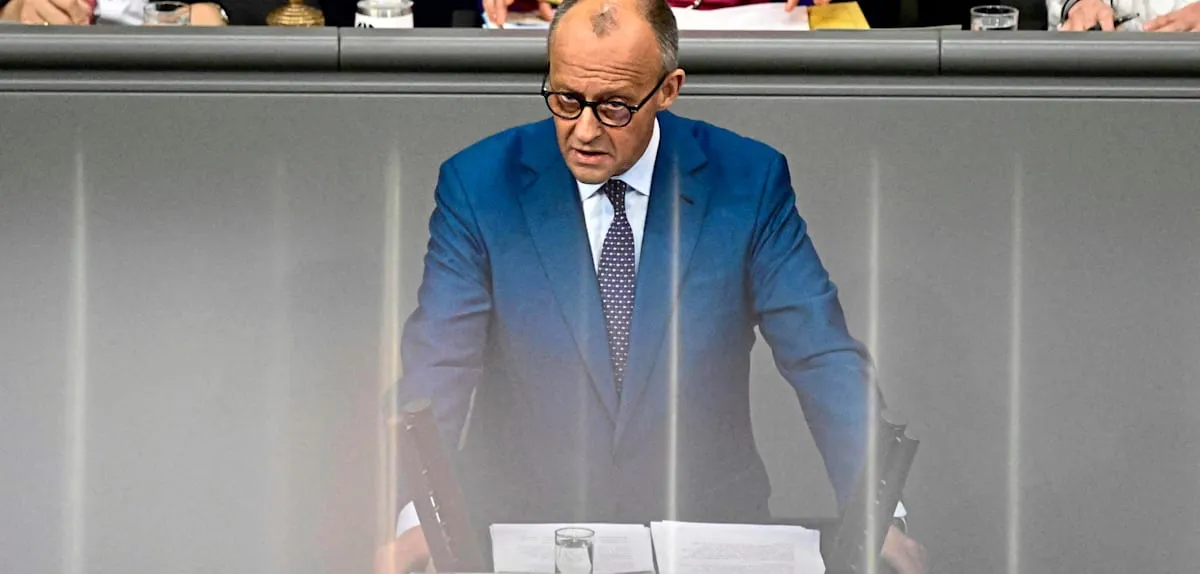
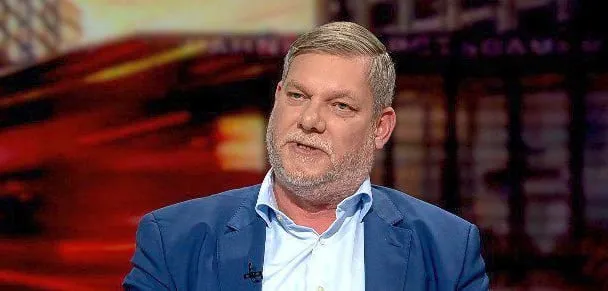
BERLIN — Christian Democratic Union (CDU) leader Friedrich Merz unexpectedly caused bewilderment among his Social Democratic (SPD) coalition partners after delivering surprising praise for the German federal government's performance, while simultaneously attacking radical parties, the AfD and Die Linke. Merz's remarks, made amidst Chancellor Olaf Scholz's efforts to highlight his cabinet's achievements, raised questions about the internal dynamics of the coalition towards the end of 2026.
In a public speech, Merz asserted, "The center delivers, it works." This statement explicitly referred to the political forces forming the current government. However, at the same time, he vehemently criticized "radical parties" such as Alternative for Germany (AfD) and Die Linke, accusing them of hindering progress.
Merz's comments immediately furrowed brows within the SPD. Party members, who have faced significant challenges managing the "traffic light" coalition with the Green Party and the Free Democratic Party (FDP), expressed regret at the ambiguous tone of the main opposition leader. This reaction underscores the complexity of political relations in Berlin.
Previously, Chancellor Scholz, from the SPD, had worked hard to highlight his government's accomplishments to the public. He aimed to dismiss criticism and strengthen the coalition's image as a productive and stable entity, especially in the face of economic pressures and geopolitical challenges.
Germany's political landscape in 2026 is indeed marked by increasing tensions. The electability of traditional parties tends to stagnate, while populist and radical parties, especially the AfD, continue to show significant increases in support. This makes every statement from political figures resonate more profoundly.
Initial analysis suggests that Merz's praise could be interpreted as a strategic move. Perhaps he sought to divide the coalition by creating a narrative that only the "center" (which he might also claim the CDU represents) genuinely works, or perhaps he wanted to position the CDU as a more moderate alternative compared to the extremism he criticized.
However, for the SPD, such praise from a political rival often feels like a "kiss of death" that erodes their credibility among constituents. This could damage the internal cohesion of the coalition and complicate their efforts to present a united front.
This incident will likely prolong internal debates among the coalition parties regarding policy direction and communication strategy. The stability of this "traffic light" coalition, which has faced various obstacles, is now once again being questioned amidst confusing statements from the opposition leader.
A political analyst from Humboldt University Berlin, Dr. Lena Müller, commented, "Merz's statement is a double-edged sword. He attacks extremism, yet ironically, he casts doubt on the heart of moderate German politics." This quote highlights the complexity of the situation.
Pressure on radical parties like the AfD is intensifying. Some time ago, the case of a controversial former AfD figure returning to a regional parliament also heated public discussion, demonstrating the crucial importance of efforts to curb their influence.
Moving forward, how the SPD and its coalition partners respond to this political maneuver will be crucial in determining the stability of the German government. The battle of narratives between a productive "center" and destructive "extremism" will continue to dominate the political arena.