 Debby Wijaya
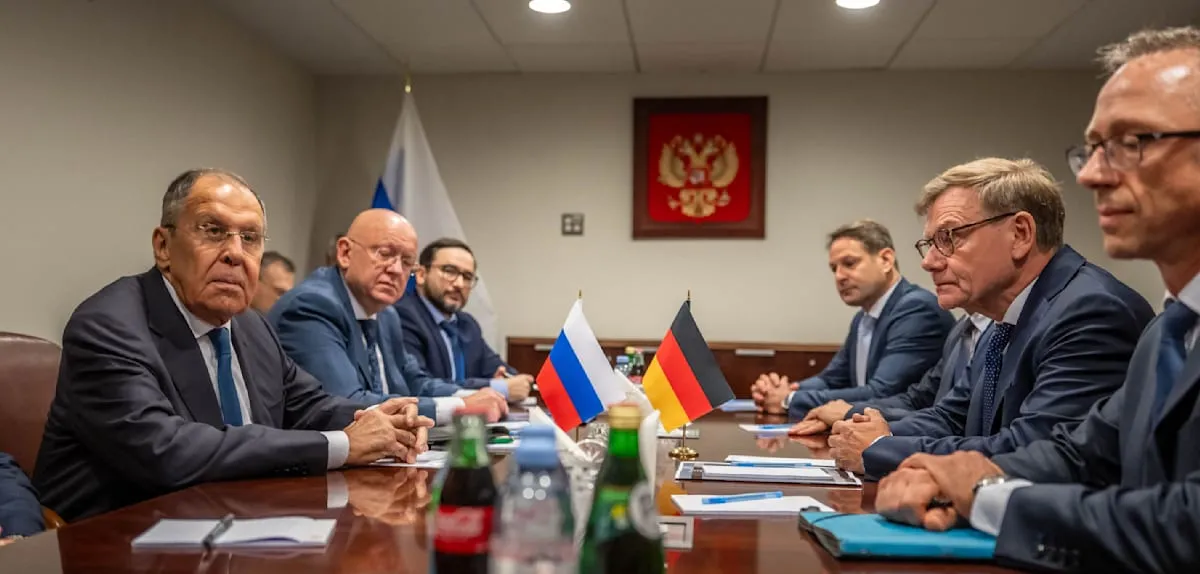
NEW YORK – In a diplomatic encounter that captured global attention, Johann Wadephul, foreign policy spokesperson for Germany's CDU/CSU parliamentary group, held discussions with Russian Foreign Minister Sergei Lavrov in New York. This bilateral meeting, taking place in 2026, occurred amid swirling global geopolitical tensions and fueled speculation about potential breakthroughs in de-escalating conflicts and seeking international stability.
The gathering of two significant figures from countries with strained relations was organized on the sidelines of broader international agendas in the metropolitan city. Relations between Berlin and Moscow have indeed reached a low point in recent years, primarily due to the protracted conflict in Eastern Europe.
Diplomatic sources, who requested anonymity, indicated that the agenda for the talks covered crucial issues such as regional stability, European energy security, and prospects for a peaceful resolution to ongoing conflicts. Both parties were strongly believed to be exploring common ground amidst fundamental differences in views.
Wadephul, representing a major political force in Germany, carried a mission to convey European concerns while seeking diplomatic avenues. Germany consistently calls for open dialogue, despite supporting sanctions against Russia. Statements from the CDU/CSU office prior to the meeting emphasized the importance of maintaining open channels of communication to avoid strategic miscalculations.
Meanwhile, Lavrov is known as a veteran diplomat who fiercely defends Russia's interests on the global stage. His presence in these discussions indicates Moscow's willingness to engage in dialogue, albeit with strict conditions and a clear bargaining position. This meeting might represent Russia's attempt to test the limits of agreement or find openings within the Western front.
This event is more than just a regular bilateral meeting; it serves as a significant indicator for the dynamics of international relations more broadly. In the context of the ongoing conflict in Ukraine, every high-level interaction between Russia and Western nations is closely scrutinized.
Political analysts are skeptical that a single meeting will yield major breakthroughs. However, they agree that keeping lines of communication open is a vital step. While concrete results may not be immediately apparent, the fact that this dialogue is taking place is already a diplomatic achievement, stated a geopolitical observer in New York.
Tensions have permeated various aspects, from political and economic to military. Russia's past invasion of Ukraine and the strong reactions from Western countries have reshaped Europe's security architecture. Meetings like this become a platform for testing strengths and the possibility of strategic shifts.
In their capacities, Wadephul and Lavrov represent two different poles of views regarding the world order. Germany's role in the European Union, under a government often facing internal coalition challenges, remains significant in shaping the Western response to Russia.
The outcomes of these discussions might influence upcoming critical agendas, including potential peace conferences or multilateral negotiations. The international community awaits any signals, however small, that could indicate a path toward resolution or at least de-escalation.
Nevertheless, the journey toward normalizing relations or reaching peace agreements remains long and arduous. This New York meeting is merely a starting point in a complex series of diplomatic efforts.
Editorial Insight: The meeting between Wadephul and Lavrov, despite a lack of grand announcements, represents a crucial diplomatic maneuver. It reaffirms that informal channels remain vital in de-escalating global tensions, even when official relations are frozen. The potential long-term impact lies in rebuilding fragile trust, a fundamental prerequisite for sustained peace in Europe and beyond.