 Debby Wijaya
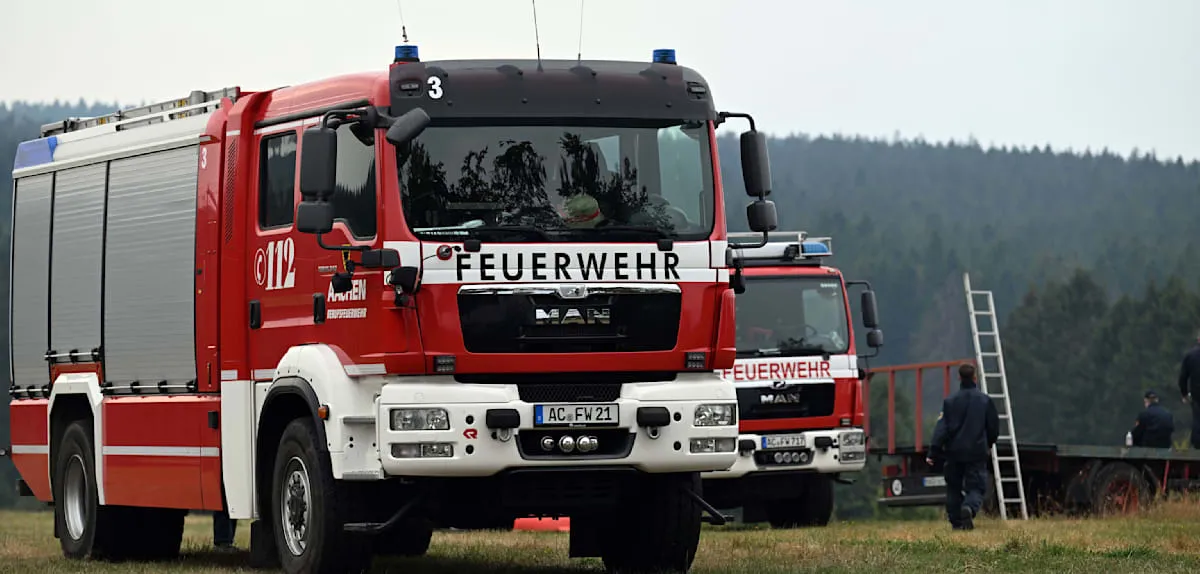
Monschau – An escalating wildfire on the German-Belgian border continues to spark serious concerns, placing firefighters in Monschau on high alert. The fire situation is described as unpredictable with strong winds anticipated, potentially worsening conditions and creating new challenges for suppression efforts. This incident, occurring in mid-2026, highlights the vulnerability of European forest regions to climate change.
Fire crews in Monschau, a German town close to the border, have declared their readiness to face a completely new situation. This statement underscores the complexity of managing wildfires exacerbated by extreme meteorological factors. Strong winds not only spread flames rapidly but also complicate the maneuverability of firefighting equipment and endanger personnel on the ground.
Authorities have issued warnings to nearby residents to remain vigilant and follow evacuation instructions if necessary. Dry forest areas, a consequence of the prolonged summer, are a primary factor in the rapid spread of the fire. Low soil moisture and highly flammable vegetation create ideal conditions for the blaze to consume vast areas.
Cross-border cooperation between German and Belgian authorities is crucial in tackling this disaster. Teams from both nations are coordinating closely to limit the fire's spread, especially in directly adjacent territories. Joint efforts include the deployment of ground and aerial firefighting units, alongside real-time information exchange regarding the fire's movement.
While the exact cause of the fire is still under investigation, the pattern of increasingly hot and dry summers in Western Europe over recent years has heightened the risk of wildfires. Climate experts have repeatedly warned about the increasing frequency and intensity of extreme weather events as a consequence of global climate change.
The impact of this wildfire extends beyond ecological damage, threatening human settlements and critical infrastructure. Thick smoke from the blaze can significantly reduce air quality, affecting the health of residents, especially vulnerable groups such as the elderly and children.
Local governments have activated emergency plans to anticipate escalation. Additional resources, including personnel and specialist equipment, have been prepared for deployment should the situation deteriorate. The public is urged to avoid the fire-affected areas for their safety and not to interfere with firefighting operations.
The story of the German-Belgian border wildfire is one of many similar incidents occurring worldwide in 2026. From North America to Australia, the phenomenon of extreme wildfires has served as a grim reminder of the increasingly tangible impacts of the climate crisis. Mitigation and adaptation efforts against climate change are becoming urgent agendas for many nations.
Within the German context, environmental issues and climate protection are increasingly dominating public discourse. Various policies are being tested to reduce carbon emissions and strengthen resilience against natural disasters. This fire adds pressure on the government to accelerate the implementation of more aggressive climate solutions.
Local residents have demonstrated solidarity by offering assistance to firefighters and those affected. Temporary shelters have been established to accommodate potentially evacuated citizens and provide them with basic necessities. This spirit of mutual cooperation offers a glimmer of hope amidst the crisis.
The situation remains dynamic and requires continuous monitoring. With strong winds expected to arrive, the coming hours will be crucial in the battle against the flames. The success of suppression efforts heavily relies on the speed of response and the effectiveness of coordination among all parties involved.
The German federal government, through its Ministry of Environment, has pledged full support for the firefighting efforts. Logistical and technical assistance stands ready to be provided if needed by local authorities. The primary priority currently is protecting human lives and limiting environmental damage.
Given the scale and potential danger, this incident could become one of the most significant wildfires in the region this year. The latest weather reports are being closely monitored to predict wind direction and speed, which will be critical in determining suppression strategies.
Editorial Insight: The wildfire on the German-Belgian border is not merely a local incident; it is a stark reflection of the global challenges posed by climate change. The frequency and intensity of extreme wildfires are increasing, demanding not only swift emergency responses but also comprehensive long-term strategies. This event underscores the urgency of cross-border cooperation in disaster management and the need for greater investment in prevention and adaptation to a continuously changing climate. If this trend persists, we will witness more green areas under threat in the coming years.