 Dodi Irawan
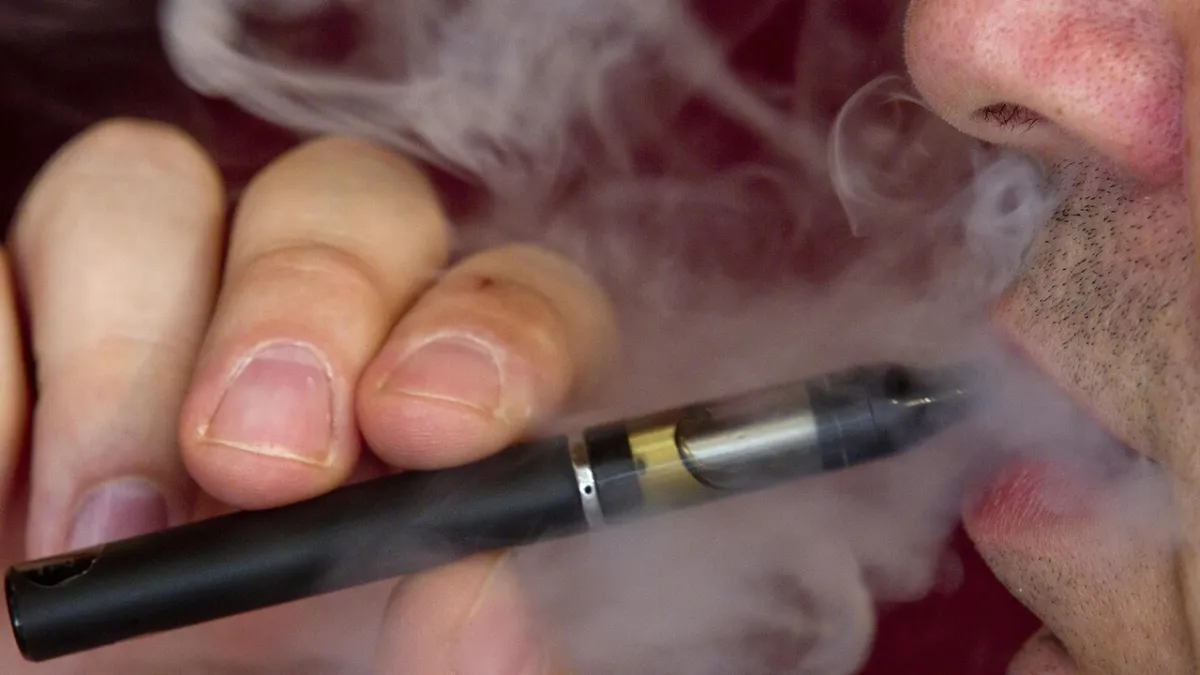
LONDON – A recent report reveals a worrying truth about the vaping epidemic in the United Kingdom in 2026. Startling data indicates that over one million individuals currently using e-cigarettes or vaping devices have never previously smoked conventional tobacco cigarettes. This phenomenon, predominantly affecting young people and teenagers, significantly undermines the positive argument for vaping as a less harmful alternative to traditional cigarettes.
The massive proliferation of vaping devices among the non-smoking population has shifted the narrative surrounding the product's original purpose. Initially, e-cigarettes were promoted as a cessation aid for tobacco addicts, offering a supposedly lower-risk option. However, with over one million new users who are strictly non-smokers, this function is now being seriously questioned.
The UK Department of Health expressed deep concern over these findings. This data serves as a red flag for all of us. Vaping should not be a gateway to nicotine habits, especially for those who have never smoked, stated a ministry spokesperson in an official announcement. They emphasized the need for a re-evaluation of policies and regulations concerning the marketing and sale of vaping products.
Public health organizations such as the Royal College of Physicians also highlighted the inherent risk of nicotine addiction in most vaping liquids. Although claimed to contain lower tar and carcinogens than cigarettes, high nicotine levels can lead to severe dependence. For a developing adolescent brain, nicotine exposure can have detrimental long-term effects on cognitive function and behavior, explained Dr. Eleanor Vance, a pulmonary health expert.
This surge in vaping among non-smoking teenagers raises fundamental questions about the future of public health in the UK. Are we creating a new generation of nicotine addicts through a different means? This question becomes crucial given the potential long-term impact on the national health system and societal productivity.
Education and child protection activists voiced similar concerns. They urged the government to tighten controls on the promotion of vaping products, particularly those targeting youth through appealing packaging or candy-like flavors. Essential education on the dangers of vaping needs to be intensified in schools, in line with discussions about the future of younger generations being threatened not only by education alone, but also by harmful habits.
Several policy options have emerged in public discussions. These include a ban on disposable vaping devices, restrictions on popular adolescent-friendly flavors, and an increase in the minimum purchasing age. Regulators are also considering heavier penalties for retailers who sell vaping products to minors.
Globally, similar trends are observed in several European countries and the United States, currently led by President Donald Trump. Health authorities there are also grappling with similar challenges in controlling the spread of vaping among non-smokers, especially young people. This indicates that the issue of vaping is no longer a local problem but a global health phenomenon requiring coordinated responses.
This situation demands a holistic response involving various stakeholders: government, health institutions, educators, and even parents. Comprehensive education on the dangers of vaping and nicotine must be a top priority. Without strong intervention, the risk of creating a new wave of nicotine dependence in society, particularly among future generations, will become increasingly real.
The UK government, under public pressure and scientific findings, is expected to formulate a more aggressive national strategy soon. The goal is to protect public health, especially those most vulnerable to the clever allure of the vaping industry.
Editorial Insight:
The phenomenon of over one million non-smokers turning to vaping in the UK is not just a statistic; it is a serious alarm for global public health policy. It erodes the foundation of the argument that vaping is a harm reduction tool, instead highlighting its potential role as a bridge to nicotine addiction for a new generation. The primary challenge lies in balancing individual rights to choose alternatives (for smokers) with the broader societal protection from addiction risks, especially among vulnerable teenagers. A sluggish response could trigger a complex public health crisis in the future.