 Debby Wijaya
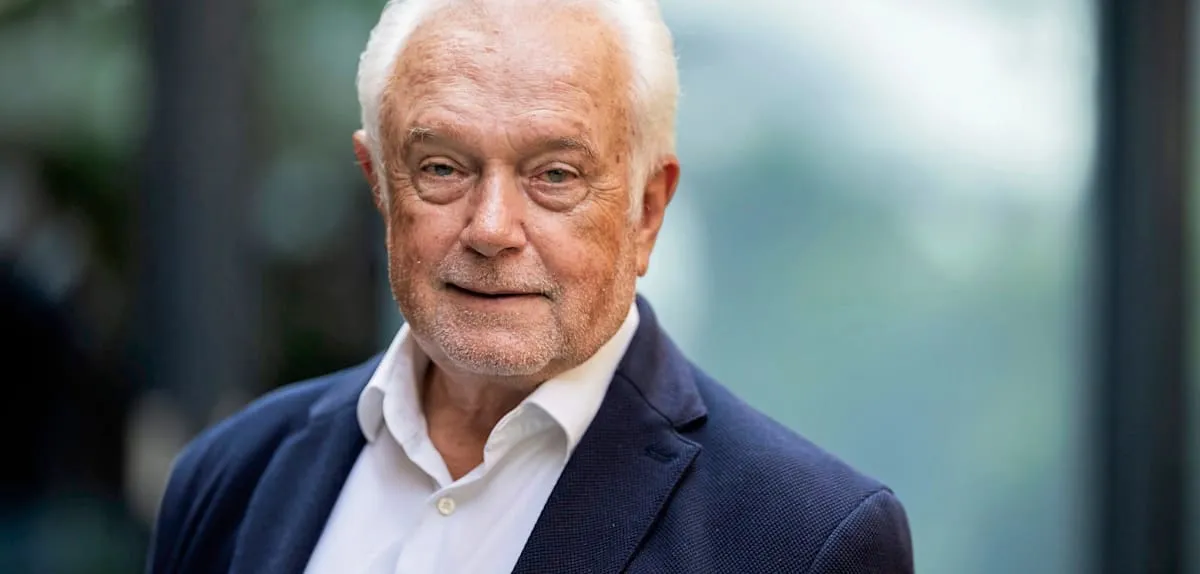
BERLIN — The German political scene is once again heating up after Wolfgang Kubicki, the influential Deputy Leader of the Free Democratic Party (FDP), launched scathing criticism against the appointment of Steffen Bilger of the Christian Democratic Union (CDU) as the new Transport Minister in 2026. The criticism highlights what Kubicki calls "instinctlessness" or a lack of political instinct, a statement that has shaken the corridors of power in Berlin.
Bilger's appointment follows the resignation of the previous Transport Minister, Schnieder. The decision to appoint Bilger, a CDU politician, to this strategic position, triggered a sharp reaction from Kubicki, who questioned the wisdom behind the selection.
"This is an instinctlessness I would not even have expected from Merz," Kubicki stated, referring to Friedrich Merz, the CDU Party Leader. This statement reveals the depth of Kubicki's dissatisfaction, implying political maneuvers behind the scenes that he deems unethical or unwise.
Schnieder's departure and Bilger's entry have become a hot topic in German political discussions. Speculation about the reasons behind Schnieder's resignation remains widespread, while Bilger's appointment as his successor raises questions about the coalition's direction and the CDU's political strategy amidst the government dynamics of 2026. The public has previously noted Merz's Maneuver: Steffen Bilger Officially Leads German Transport Ministry 2026.
Steffen Bilger himself is not a new name in German politics. As a senior CDU member, his experience in parliament and relevant transport committees is quite significant. However, this background appears insufficient to quell the wave of criticism from the FDP coalition partner.
The FDP, as part of the ruling coalition, has a significant interest in transport policy. Kubicki's criticism can be interpreted as the FDP's concern over a potential shift in priorities or even a struggle for influence within the cabinet, which could disrupt the balance of power.
This incident has the potential to create tension within the ruling coalition. Furthermore, the narrative of "instinctlessness" could also damage the government's public image, which is expected to make decisions transparently and based on the interests of the people, especially on sensitive issues like transport.
The CDU and Steffen Bilger himself have not yet issued an official response to Kubicki's statements as of this report. However, it is anticipated that they will release a statement defending the appointment decision, emphasizing Bilger's qualifications and the urgency of leadership transition in the ministry.
Similar debates regarding the appointment of ministers or high-ranking officials are not new in German political history. Whenever there is a change in strategic positions, especially involving differing views between parties, there are always interesting dynamics to observe, as seen when Germany in Turmoil: Steffen Bilger (CDU) Reportedly Ready to Lead Transport Ministry.
This incident highlights the political fragility of the coalition and the complexity of decision-making at the highest levels. How the German government will respond to this criticism and whether it will affect the stability of the cabinet for the remainder of 2026 remains a major question that will continue to be monitored.
Political analysts interpret Kubicki's statement as a clear signal that the FDP will not remain silent on decisions perceived as unilateral or not aligned with coalition consensus. The statement is not merely personal criticism but also a strong political warning.
Schnieder's replacement and Bilger's appointment occur during a crucial period for Germany, especially concerning the energy transition agenda, infrastructure modernization, and climate challenges. The success or failure of the Transport Ministry will directly impact national economic and environmental stability.
Public debate and media discussion about this "instinctlessness" are likely to continue. The public awaits further explanations from the parties involved to understand the full context behind this controversial decision and its implications for the German government in 2026.