 Angela Stefani
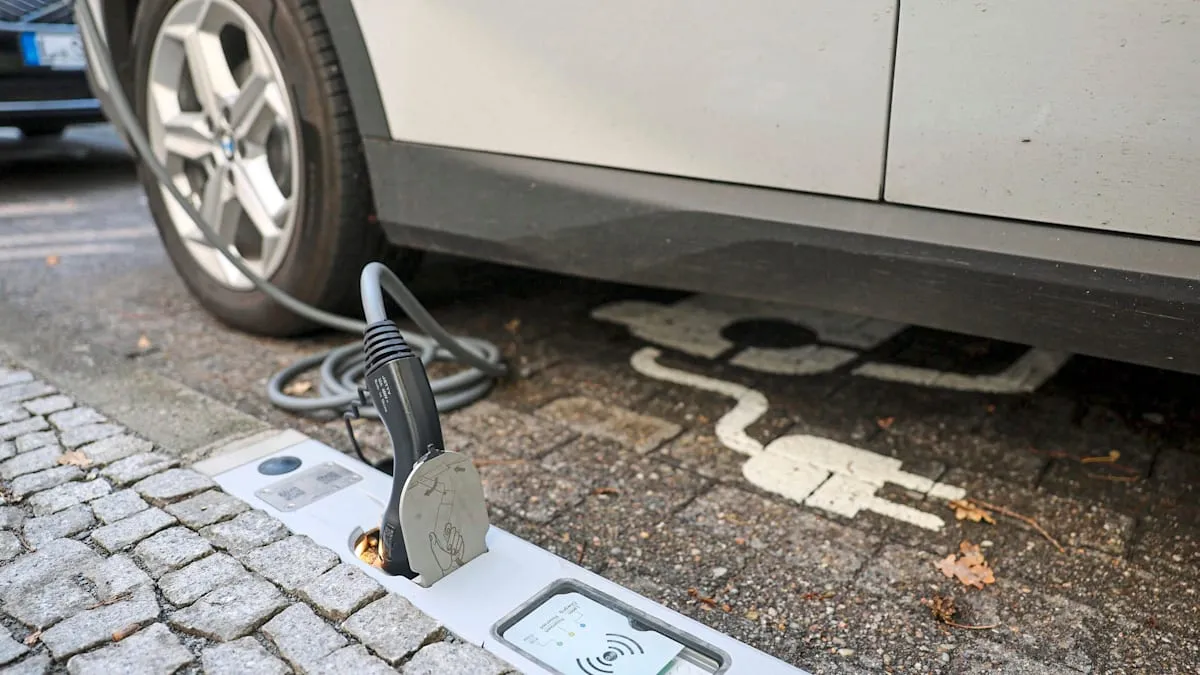
BERLIN – The German Automotive Dealers Association (ZDK) has announced remarkable projections for the country's electric vehicle market. Germany's e-automotive sector is expected to experience significant growth, surpassing initial expectations, with a target of 817,000 newly registered fully electric vehicles throughout 2026. This figure represents an increase of approximately 50 percent compared to total registrations in 2025, signaling a massive acceleration in the adoption of zero-emission vehicles.
This optimistic projection stems from a careful assessment of market dynamics and evolving consumer trends in Germany. ZDK, as the voice of the car dealer industry, highlights strong demand and the increasingly mature ecosystem supporting electric vehicles as key drivers of this surge. The data confirms Germany's position as one of the leaders in the energy transition within the transport sector.
This rapid growth is intrinsically linked to various fundamental factors. Progressive government policies, through purchase subsidies, tax incentives, and charging infrastructure investments, have created a conducive environment for consumers. Furthermore, increasing public awareness of climate change issues is prompting a shift in preferences towards more sustainable mobility.
Leading German automotive manufacturers, such as Volkswagen, Mercedes-Benz, and BMW, also play a central role. They are continually launching innovative electric vehicle models with longer ranges, superior performance, and attractive designs. Massive investments in research and development have yielded tangible results, evident in this sales increase.
In 2025, the number of new fully electric vehicle registrations in Germany already showed an upward trend, but the 817,000 units projected for 2026 represent a quantum leap that exceeds analysts' previous forecasts. This reflects a faster-than-predicted pace of technological adaptation among the German populace.
This development has broad economic implications. The automotive sector, which is the backbone of the German economy, receives a vital new impetus. Increased production and sales of electric vehicles have the potential to create new jobs, drive technological innovation, and strengthen local supply chains for critical EV components.
While optimism abounds, the industry also faces challenges. The availability of adequate charging stations, particularly in rural areas, remains a concern. The relatively high initial cost of EV ownership, although offset by incentives, also needs continuous management to ensure adoption can reach broader market segments.
The German government and industry associations continue to collaborate to address these hurdles. Programs for accelerating charging infrastructure development and more targeted incentive schemes are key priorities. The aim is to ensure the sustainable long-term growth of the electric vehicle market.
This trend also indicates that consumers are increasingly understanding and appreciating the advantages of electric vehicles. Beyond environmental benefits, lower operating costs and a quieter, more responsive driving experience are distinct attractions. Public education on these benefits continues to be promoted.
With such robust growth projections, the German electric vehicle market is not only a regional benchmark but also a barometer for global trends. Germany's success in driving EV adoption will serve as a model for other nations committed to decarbonizing transportation.
Editorial Insight:
The significant surge in Germany's electric vehicle market in 2026 underscores a global paradigm shift towards sustainable mobility. The data from ZDK is not merely figures but a strong indication that this transition has reached a critical momentum. Germany's success will depend on its ability to balance rapid growth with adaptive infrastructure development and maintain industrial competitiveness in the face of evolving supply and technological challenges. This is a crucial step towards a greener and more efficient future of transport, but it requires strategic policies and well-planned implementation.