 Angel Doris
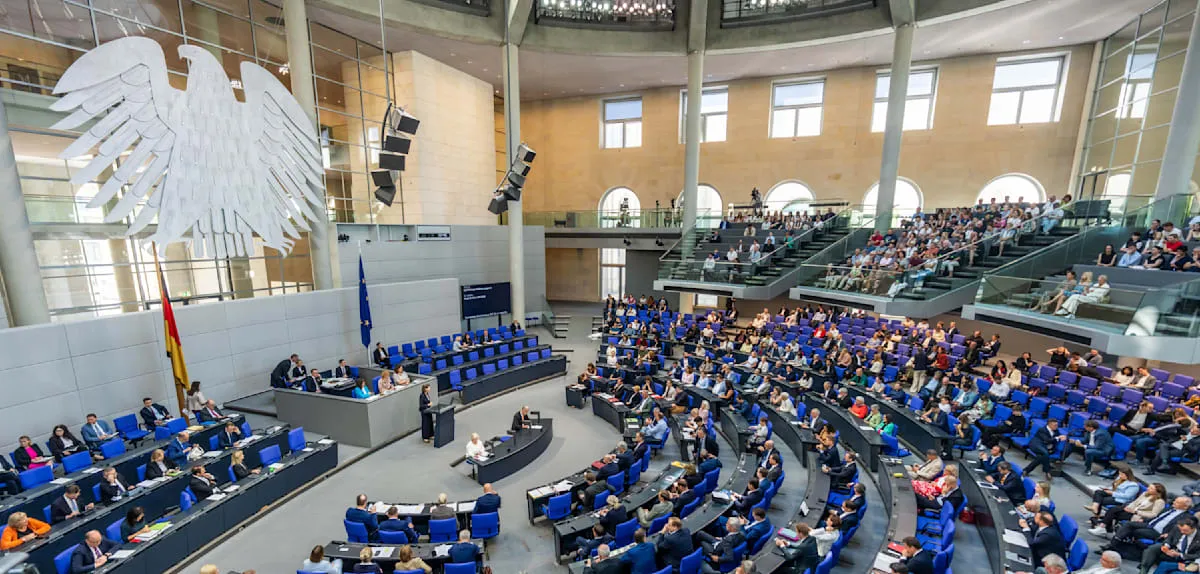
Berlin — Members of the German parliament, the Bundestag, have unanimously decided not to accept an increase in their allowances for 2026. This decision comes amidst a challenging economic and budgetary situation, demonstrating cross-party consensus to prioritize fiscal stability and solidarity with the public.
This move marks a collective commitment from the people's representatives to respond to difficult financial conditions. The German economy faces significant pressure due to various global factors, including geopolitical uncertainties and persistent inflation. This situation demands belt-tightening in every sector, including the highest legislative body.
The consensus achieved among the parliamentary groups in the Bundestag reflects a deep awareness of the importance of prudent financial management. In an atmosphere of economic uncertainty, increasing the fiscal burden through allowance raises could trigger negative public sentiment and erode trust in the government.
The policy on parliamentary allowances, or "Diäten," has historically been a sensitive subject. Discussions regarding this remuneration always attract scrutiny, especially when the country faces substantial economic challenges. Postponing this increase underscores a priority on macroeconomic welfare.
Economists and political analysts welcome this decision as a positive signal. It demonstrates that policymakers in Germany are serious about addressing fiscal issues and are willing to lead by example before implementing broader austerity measures.
This decision also aligns with the government's broader fiscal policy, which aims to balance the budget and reduce deficits. Previously, the Bundestag has also discussed various savings efforts, including in the health sector.
For instance, a heated debate on the health insurance savings package was passed by the majority coalition, which in turn could burden citizens. Meanwhile, millions of German citizens are burdened with higher costs, as reported earlier.
This rejection of an allowance increase is expected to mitigate potential public criticism arising from other austerity policies directly affecting society. Transparency and accountability in the use of state budgets are key to maintaining political legitimacy.
A statement from a spokesperson for a majority faction, who wished to remain anonymous, affirmed, "This is a time for all of us to show solidarity. We cannot ask the people to save if we ourselves do not set an example."
The situation of the government coalition, described as chaotic by critics like Gürpinar, further demands leaders to demonstrate strong and responsible leadership. The refusal of an allowance increase is one manifestation of this need.
This collective decision not only reflects economic considerations but also a deeper political philosophy about the role of people's representatives. They are entrusted to serve the public interest, and this decision reaffirms that commitment, especially during difficult times.
The long-term impact of this decision will likely strengthen the parliament's image as an institution responsive to the condition of its nation. This could set an important precedent for future fiscal policies, encouraging prudence in the allocation of public funds.
Although parliamentary allowances are relatively a small part of the overall state budget, the symbolism of this decision is immense. It sends a message to every citizen that their leaders feel and understand the economic pressures they face.
Furthermore, the Bundestag will continue to focus its attention on structural reforms and policies that can foster sustainable economic growth and fiscal stability. This decision serves as one of the moral foundations for such policies.
This proactive step is hoped to rebuild public trust that may have been eroded by various previous challenges and political debates. The solidarity shown by parliament members is a valuable asset in navigating the economic storm.