 Chandra Wijayanto
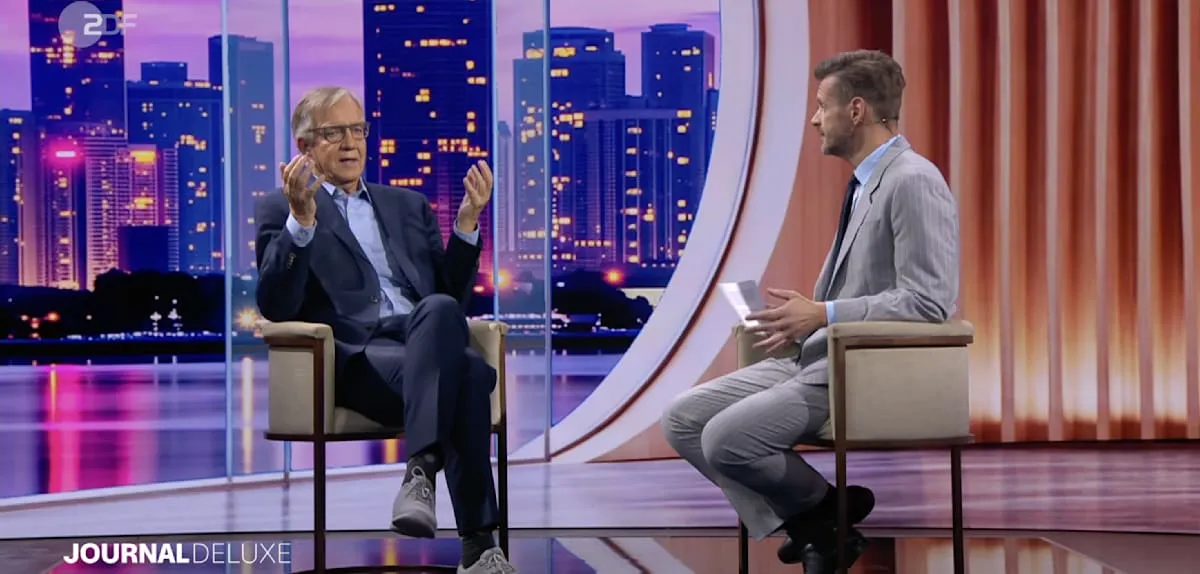
BERLIN – A new wave of internal turmoil grips Germany's Linke Party following a sharp prediction from senior politician Dietmar Bartsch. He anticipates the dismissal of Berlin Member of Parliament, Vanessa Emde, from her faction. However, Bartsch firmly states that such a measure will not alleviate the profound crisis of confidence regarding the party's stance on Israel, a fundamental issue that has long overshadowed the Linke's image.
Bartsch's statement reflects a skeptical view on the effectiveness of partial solutions. Emde? No one knew that name, he remarked, and in a year, no one will remember her again. This expression highlights Vanessa Emde as a marginal figure, and her removal is merely a cosmetic attempt that fails to address the root ideological problems of the Linke Party.
The crisis concerning the issue of Israel has been a thorn in the Linke Party's side for years. Internal divisions frequently emerge regarding how the party, with its historical roots in the left spectrum, should position itself concerning the Middle East conflict. This lack of clarity or inconsistency in stance often draws criticism from various quarters, both within and outside the party.
Dietmar Bartsch, known as one of the most experienced voices within the party, underscores the urgency of handling this issue comprehensively. According to him, the dismissal of an individual, no matter how controversial or anonymous the figure, will never be able to mend the structural fractures that have eroded the party's cohesion. He calls for deeper internal reflection and concrete policy reforms.
The potential dismissal of a parliamentarian like Emde, if it materializes, not only signifies internal disagreements but also reflects the Linke Party's struggle to maintain its relevance in modern German politics. Amid complex political dynamics, parties are required to have a clear and consistent narrative, especially on sensitive issues such as international relations and human rights.
This situation adds to the long list of challenges faced by left-wing parties in Europe, including Germany. The Linke Party, battling declining electoral support, must confront the reality that internal issues can accelerate the erosion of their voter base. Society increasingly demands integrity and alignment between political rhetoric and action.
Bartsch further emphasizes that the problems with Israel are not merely foreign policy issues. They are a reflection of the core identity and values held by the Linke Party. Therefore, the solutions required must be transformative, not just reactive responses to momentary pressures.
Bartsch's views align with broader discussions about the future of political parties in Germany. For instance, the SPD also faces internal dilemmas and external challenges in confronting other political forces, as reflected in debates surrounding the 'Brandmauer Jerman' (German Firewall)—a concept referring to efforts to build a barrier against political extremism. This context shows that the Linke Party is not alone in grappling with identity and strategic turmoil.
If the Linke Party fails to address this crisis seriously, the risk is a loss of clear political identity and public trust. Emde's dismissal, while perhaps a disciplinary precedent, could be seen as a desperate act that actually exposes the party's internal weaknesses, rather than its strength.
Political observers believe that drastic measures such as the dismissal of a parliamentarian need to be accompanied by a more substantial revision of the party's vision and mission. Without fundamental changes in approach to crucial issues, the Linke Party may continue to be trapped in a counterproductive cycle of internal conflict.
Editorial Insight: Dietmar Bartsch's statement unveils the complexity of the Linke Party's internal politics. More than just a personnel issue, this crisis indicates the party's struggle to redefine its identity and position in the German political landscape post-2025. Long-term solutions demand more than internal cleansing; they require a reformulation of core values and a strong consensus, particularly on sensitive geopolitical issues like the Israeli conflict. Failure to address these challenges comprehensively could accelerate the Linke Party's marginalization from the national political arena.