 Gabriella
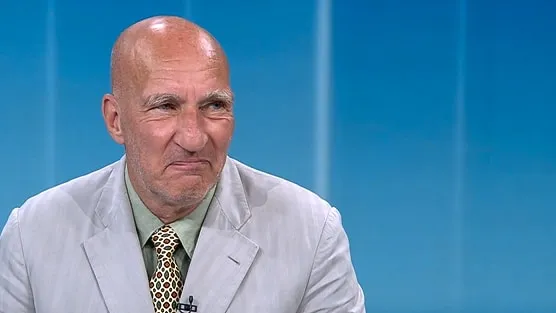
BERLIN – German political dynamics are heating up again ahead of the 2026 election campaign period. Internal tensions within the governing coalition are reported to have reached a critical point, sparking mutual accusations from various parties. Prominent political columnist Christoph Lemmer has even openly stated that CDU leader Friedrich Merz is strongly suspected of being fed up with the current situation, and is now preparing for a fierce competition against Manuela Schwesig in the upcoming general election.
Lemmer, an experienced political observer, expressed his frustration with the non-productive state of the coalition. The atmosphere in the Bundestag is perceived to be increasingly turbulent with rising accusations, eroding public trust in the government. This situation creates significant uncertainty among the populace.
I believe Friedrich Merz is indeed fed up, Lemmer stated, quoting a source. Presumably, Merz will not free himself from the captivity of this coalition. Instead, we are entering the election campaign—with Schwesig as a formidable opponent. This statement affirms that Merz will likely remain within the coalition, but with a shifted focus towards preparing for the upcoming contest.
Merzs 'fed up' indication reflects deep dissatisfaction with policy directions or perhaps the compromises that must be made to maintain the coalitions continuity. As the leader of the largest conservative party, the pressure to maintain ideological identity while collaborating with coalition partners is undoubtedly immense.
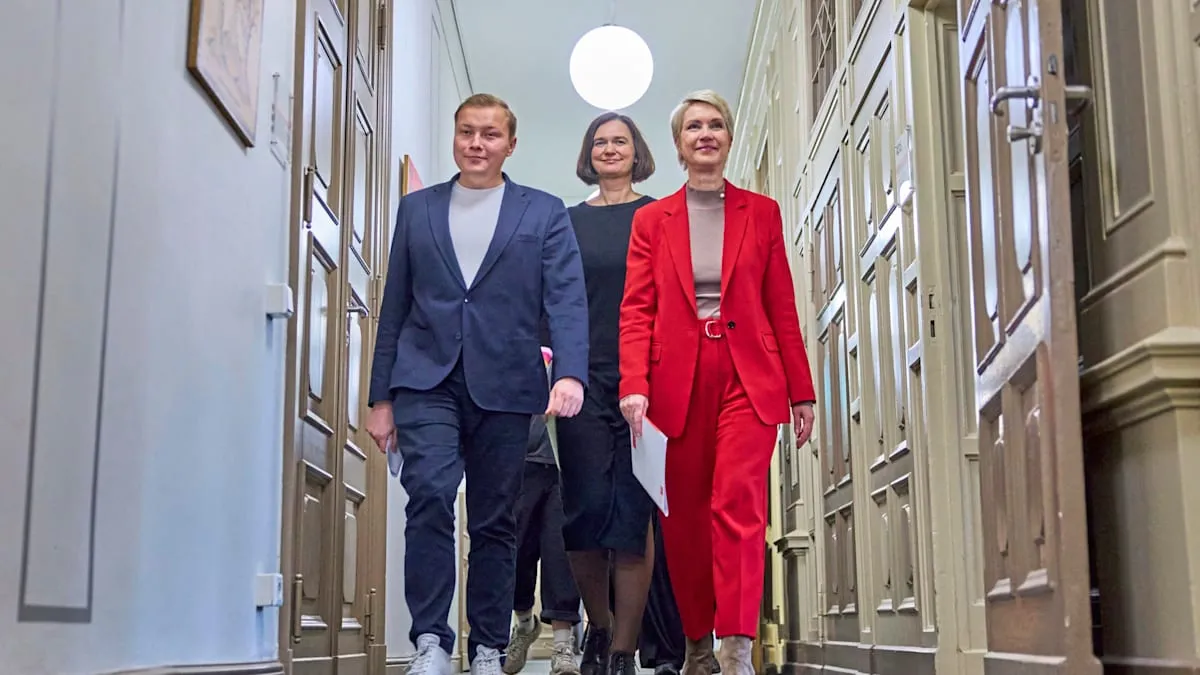
This dynamic also draws in Manuela Schwesig, an influential politician from the Social Democratic Party (SPD) who holds an important position in German politics. Schwesig is seen as a strong figure who will be a worthy opponent for Merz in the battle for power in the upcoming general elections.
Coalition instability in Germany is not a new phenomenon. Previously, there were tough negotiations such as in the case of Berlin Breakthrough, where the left-green coalition continued negotiations with an anti-Semitism declaration as key. This illustrates that political consensus always requires intense struggle.
Lemmers comments highlight that instead of trying to dissolve the coalition, Merz will instead use this dissatisfaction as ammunition to strengthen his position in the campaign. This is a shrewd strategy, leveraging public sentiment that may also feel similar frustration with the coalitions performance.
The prospect of the 2026 general election is now clearly visible on Germany's political horizon. The contest between Friedrich Merz and Manuela Schwesig is predicted to be one of the main highlights, given the strong track records and support bases of both parties.
The simmering tensions within this coalition have the potential to affect government stability and the effectiveness of political decision-making. This could impact various sectors, from the economy to social policy, considering the importance of cohesion in governing a developed nation like Germany.
The German public will closely monitor these developments, looking for leaders who can offer concrete solutions and clear visions amidst the complexity of domestic and global challenges. The political stage is set, and Merz and Schwesig are two main actors who will face each other.
Editorial Insight: Christoph Lemmers statement regarding Friedrich Merzs 'fed up' sentiment is not merely an ordinary opinion, but a crucial indicator of the increasingly acute internal turmoil within the German coalition. If this dynamic continues, the political stability and strategic decision-making capability of the government could be significantly hampered. Merzs competition with Schwesig in the upcoming election is certainly set to shape an intense political narrative, with the possibility of polarization and shifts in voter support that warrant close observation. This suggests that German politics is at an important crossroads, demanding firm leadership capable of navigating the complexities of challenges in 2026.