 Gabriella
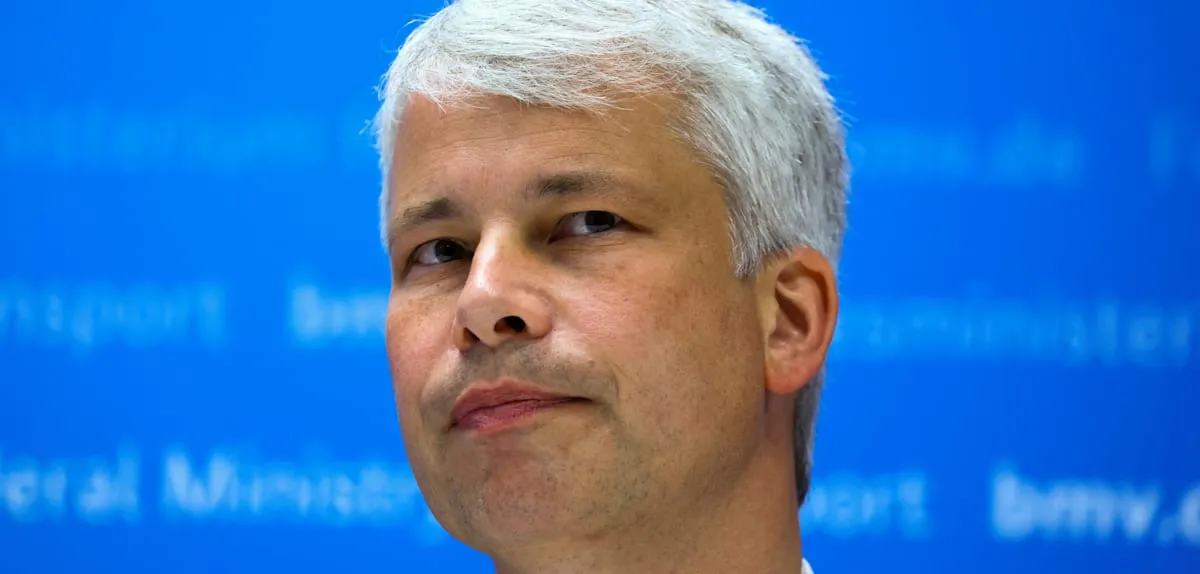
BERLIN – German Transport Minister Steffen Bilger has unequivocally announced a decisive move to address his dissatisfaction with Deutsche Bahn's punctuality performance, threatening significant cuts to bonus payments for the national railway company's executives. This action comes in response to the company's persistent failure to meet operational targets set by the federal government.
Bilger's frustration mirrors widespread public discontent over increasingly frequent train delays, disrupting the schedules of millions of commuters and travelers across Germany. Recent data indicates a significant downward trend in punctuality figures, falling well below the expected standards for a vital transport operator.
According to internal reports, only approximately 70% of Deutsche Bahn's long-distance trains arrived on time in the last quarter of 2025, a stark decrease from the targeted 80%. This figure is particularly concerning given the substantial state subsidies Deutsche Bahn receives to ensure premium service.
The federal government, as the primary owner of Deutsche Bahn, has established a series of ambitious performance objectives, encompassing not only punctuality but also service quality and customer satisfaction. Failure to meet these parameters is deemed a breach of public trust and state investment.
“We cannot tolerate consistently substandard performance, especially when taxpayer money is used to support operations,” Bilger stated during a press conference in Berlin. “If federal targets are not met, there will be direct consequences for the bonus payments of Deutsche Bahn's board of directors and senior management.”
This threat is more than mere rhetoric. Deutsche Bahn's executive remuneration policy indeed links a significant portion of bonuses to the achievement of performance targets. A substantial reduction in this bonus component could strip millions of euros from the annual earnings of the company's top officials.
This is not the first instance the German government has voiced concerns regarding Deutsche Bahn. Over recent years, there have been repeated calls for infrastructure improvements, increased capacity, and more efficient management to address chronic delay issues.
Minister Bilger's move also sends a strong message to other state-owned entities that performance accountability is a paramount priority. Public expectations for efficient and reliable public services form the bedrock of this policy.
Deutsche Bahn faces a dual challenge: meeting the minister's demands while simultaneously investing in its aging network modernization. A Deutsche Bahn spokesperson, who preferred anonymity, stated the company is committed to improving services and will cooperate with the government.
The final decision regarding bonus cuts will depend on Deutsche Bahn's performance evaluation over the coming months. Strict oversight will be implemented to ensure tangible improvements in daily operations.
Editorial Insight: Minister Bilger's action signifies a paradigm shift in government oversight of State-Owned Enterprises (SOEs) in Germany. It is not merely about train punctuality but also about the principles of accountability and efficiency in managing public assets. The threat of bonus cuts serves as a potent instrument to motivate management to seriously address fundamental issues, although its implementation might spark internal debates regarding realistic burdens and targets. The success of this measure will set an important precedent for future public sector reforms.