 Angela Stefani
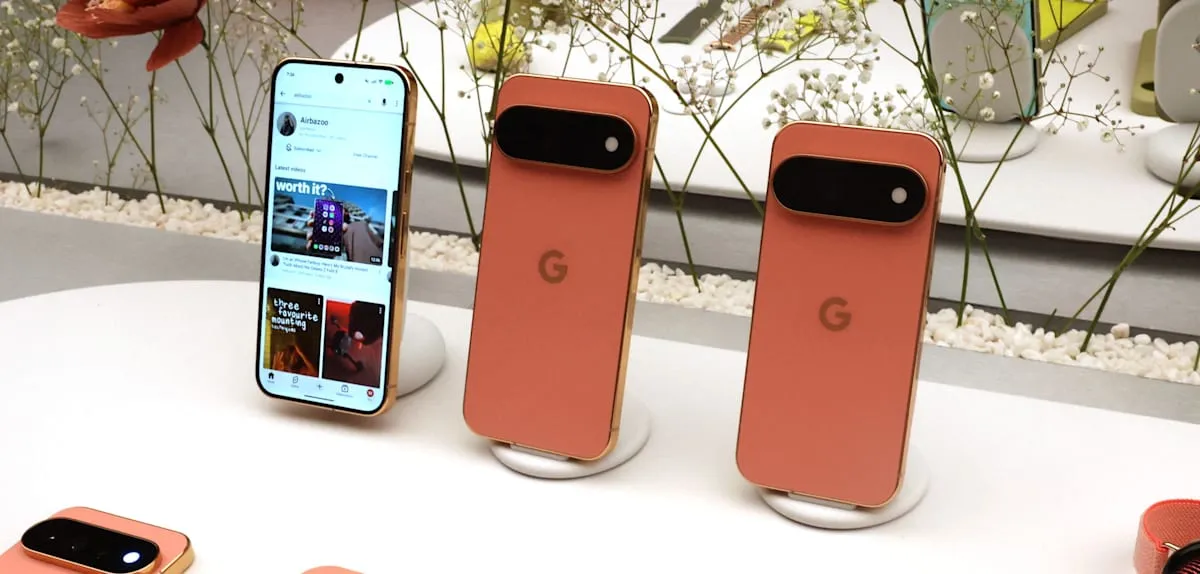
JAKARTA – Google has once again shaken the global smartphone market with the release of the Pixel 11 Pro, its latest flagship device equipped with an entirely new camera system. While promising a superior photographic experience, especially in low-light or dusk conditions, field tests have revealed significant limitations when the phone is used for high-intensity gaming applications.
The innovation in the photography sector is the main attraction of the Pixel 11 Pro. Google has ambitiously revamped the entire hardware and software architecture of its camera, making it a key selling point. Tech experts predict this move will once again establish the Pixel series as a benchmark for image quality in the industry.
Intensive testing of the camera capabilities shows brilliant performance in capturing images in dim light scenarios. Details remain intact, colors are accurate, and minimal noise characterizes shots taken at dusk or indoors with modest lighting. This advantage underscores Google's commitment to computational photography.
This impressive performance is not without reason. Reports indicate that the Pixel 11 Pro integrates a larger, newer image sensor, lenses with optimal aperture, and a dedicated image processing chip from Google. This combination allows for maximum light collection and intelligent data processing to produce studio-quality photos.
It is no surprise that mobile photography enthusiasts and social media professionals place high hopes on this device. Its ability to produce high-quality visual content without additional equipment makes it a highly potential tool for various needs.
However, behind the brilliance of the camera sector, questions arise regarding overall performance balance. A testing report suggests that despite excelling in visual aspects, the device shows signs of performance degradation when faced with other challenges.
When tested with games demanding high graphics and intensive computational processing, the Pixel 11 Pro begins to reveal its limits. Some reviewers reported noticeable drops in frames per second (FPS), sometimes accompanied by a significant increase in device temperature. This slightly diminishes the gaming experience comfort.
These limitations can be assumed to stem from design priorities that favor camera performance and power efficiency for photographic tasks. Intensive software optimization for the camera may sacrifice some chip capacity or cooling required for heavy workloads like gaming.
For users seeking a versatile phone capable of being a champion across all lines, these findings could be a consideration. However, for those whose primary priority is mobile photography and not heavy gaming, the Pixel 11 Pro remains a very strong choice.
As of this report, Google has not released an official statement regarding the gaming performance test results. Industry observers hope for future software updates that can optimize the Pixel 11 Pro's performance to accommodate a wider range of user needs, without sacrificing its camera advantages.
Editorial Insight: The emergence of the Pixel 11 Pro reaffirms Google's philosophy in hardware development: deep, specific excellence. The focus on an advanced camera system demonstrates an effort to dominate the mobile photography segment. However, the limitations in gaming performance highlight the manufacturing challenge of creating a phone without compromises in every aspect. This is a strategic choice that may appeal to visual content creators, but it could segment the market for users demanding holistic performance. Google will likely continue to refine its software, but the Pixel's core priority as a smart camera is unlikely to shift.