 Stefani Rindus
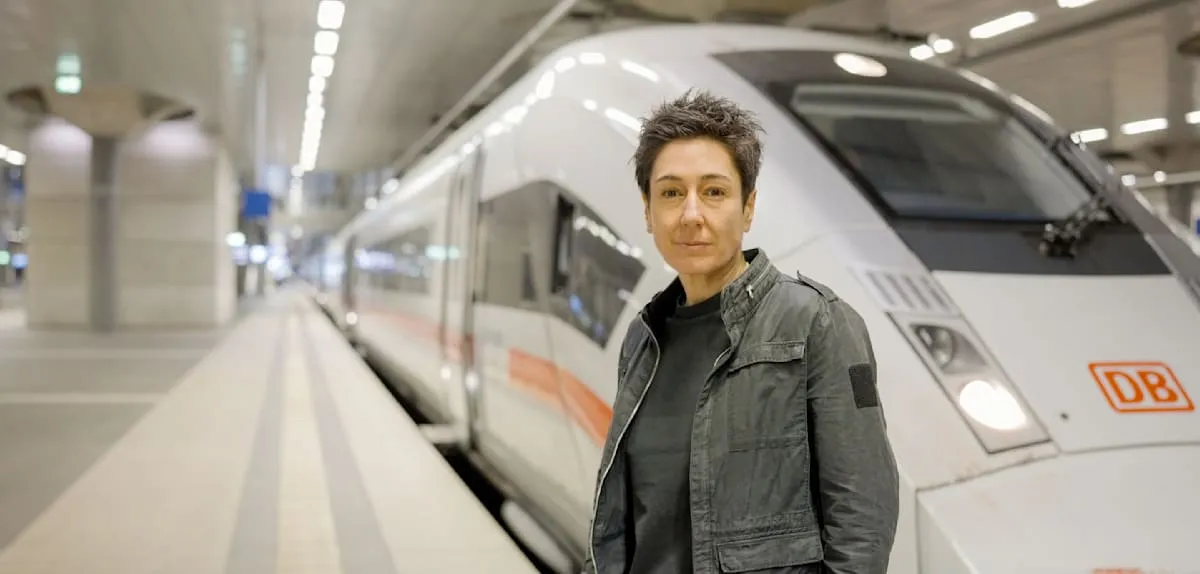
BERLIN — Prominent ZDF investigative journalist, Dunja Hayali, has once again made waves in German media with her provocative new reportage, "Am Puls", exposing the chaos within Deutsche Bahn services, plagued by outdated technology and stalled digitalization. Hayali's in-depth coverage, aired in 2026, frankly reveals the bitter reality behind promises of national transport infrastructure improvements, shocking the public and sparking fierce debate about the future of German railways.
Through comprehensive investigations across various parts of the country, Hayali (52) described the condition as "it cannot get any worse" for the state's railway system. She personally experienced travel delays, interacted with frustrated passengers, and delved into the root causes, which include lagging infrastructure maintenance and a dormant digitalization process.
This reportage, part of ZDF's popular investigative series, is more than just a surface-level report. Hayali confronted top Deutsche Bahn executives, including the CEO, demanding accountability. She also spoke with train drivers who daily struggle to operate trains with often troublesome systems, and politicians deemed slow to take action.
Her investigation clearly revealed that Germany's railway infrastructure still heavily relies on old technology. Outdated signaling systems, tracks needing massive repairs, and an aging fleet of trains are common sights. This condition directly contributes to frequent disruptions and the declining reputation of Deutsche Bahn.
Digitalization, which should be the backbone of efficiency in the modern era, paradoxically stands as a major weakness. The process of integrating digital technology for monitoring, maintenance, and customer service has faltered, even appearing stagnant. This places Deutsche Bahn far behind railway operators in other European countries.
Train drivers and operational staff, who are the frontline of service, expressed their frustration. They face dual pressures: tight schedule demands and endless technical constraints. Some even stated, "We often feel like we're fighting against the system, not just driving a train."
Delays and uncertainties in train schedules have long been a bane for the German public. Hayali's report reinforces the complaints of millions of commuters and travelers who rely on Deutsche Bahn daily, questioning the commitment of the government and management to provide a decent public service.
This situation is not without precedent. For years, Deutsche Bahn has faced similar criticism, yet comprehensive solutions still seem out of reach. Many parties argue that radical structural reforms are needed, not just short-term promises of improvement.
Public discourse is heating up, given the importance of rail transport for Germany's economy and citizen mobility. Transport experts warn that without significant investment in modernization and digitalization, Deutsche Bahn will fall further behind, harming the country's global competitiveness.
Several politicians in the Bundestag, now in 2026, responded to Hayali's report with promises to accelerate investment programs. However, public skepticism remains high, given the long history of delays and unrealized projects.
Relevant to the internal issues highlighted by Hayali, the German Train Violence incident that emerged some time ago also adds to the long list of challenges faced by Deutsche Bahn, highlighting not only technical problems but also issues of safety and employee welfare.
This "Am Puls" reportage serves as a sharp reminder to the government and Deutsche Bahn management. It is a call for tangible action, to restore public trust, and to ensure that Germany's railway infrastructure, once a source of pride, can once again become a symbol of efficiency and modernity.