 Edward DP Situmorang

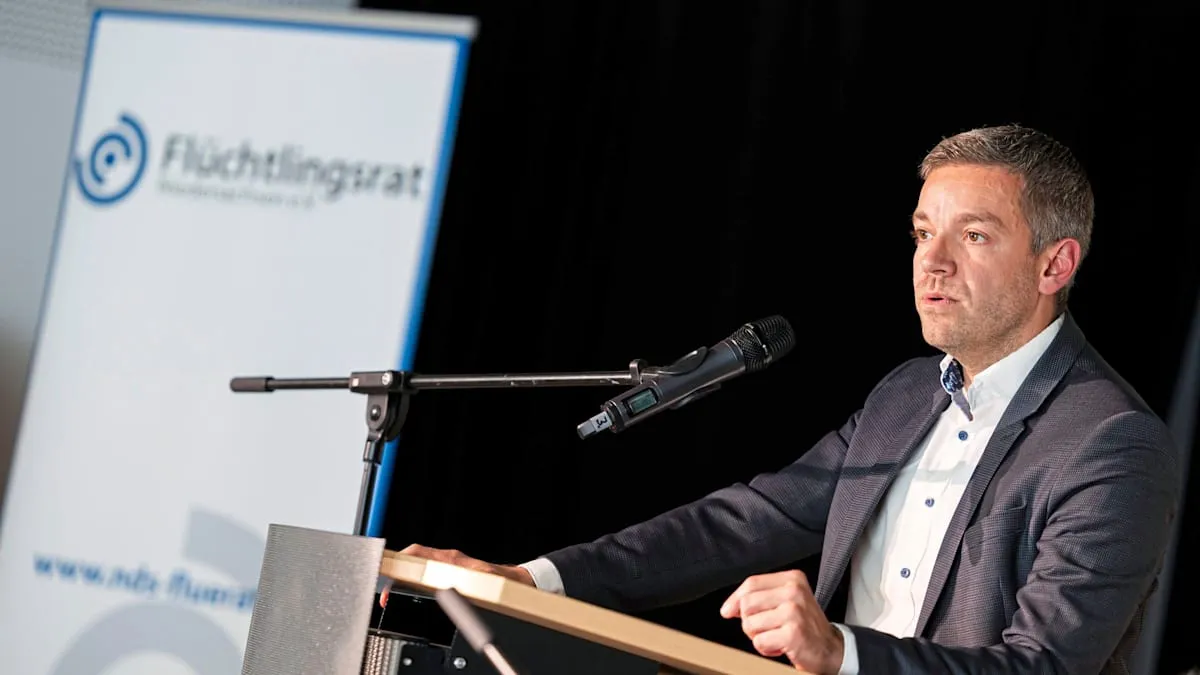
BERLIN – The discourse surrounding substantial taxation for ultra-wealthy individuals, such as Elon Musk, has once again ignited the political and economic arena in Germany. This debate stems from a radical proposal by Ines Schwerdtner, a prominent figure from The Left party (Die Linke), advocating for the nationalization of housing corporations in Berlin for the common good. This measure, according to Schwerdtner, would generate significant revenue that could be allocated to public needs.
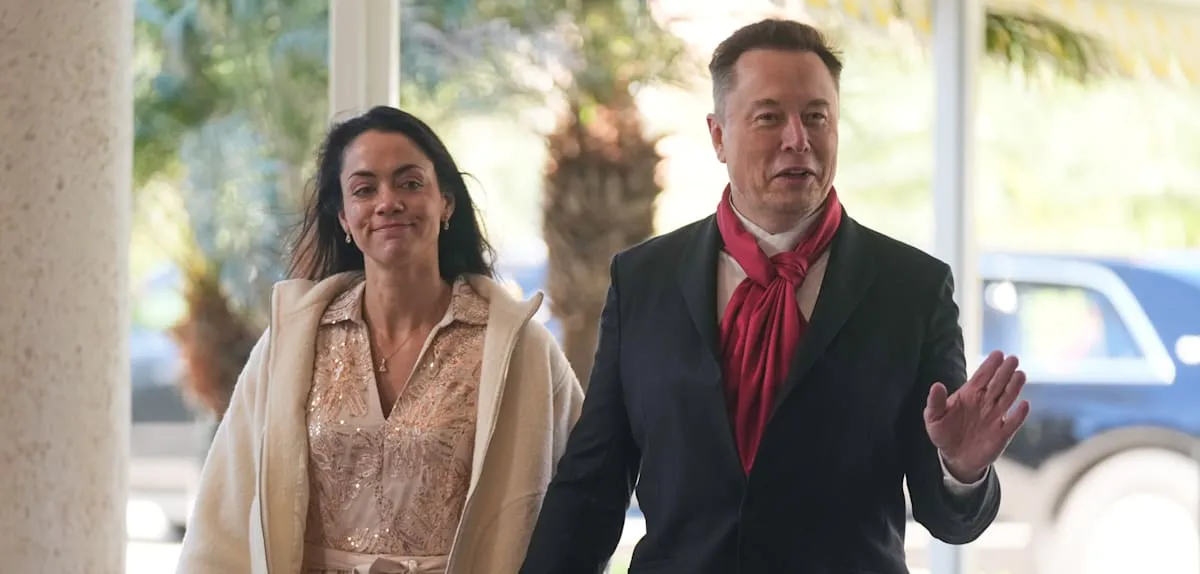
Schwerdtner, who actively campaigns for this idea, argues that revenue from a wealth tax and the proceeds from property nationalization could drastically improve public services and address the chronic housing crisis in the German capital. She explicitly uses Elon Musk's name as an example of a figure whose wealth, if fairly taxed, would contribute substantially to state coffers.
However, this proposal has drawn sharp criticism. Monika Schnitzer, a leading economist and advisor to the German government, squarely rejects Schwerdtner's claims. On the popular talk show Maischberger, Schnitzer mathematically dissected the estimated costs of the nationalization plan. She emphasized that the financial burden would be far greater than its proponents imagine.
Professor Schnitzer accused The Left party of public deception (Tauschung) during their referendum campaign concerning property nationalization. According to her, the figures presented to the public do not reflect economic reality and have the potential to mislead voters about the true consequences of such a policy.
A significant amount of funds would be generated for the common good if we properly taxed Elon Musk, Schwerdtner stated, affirming her vision of wealth distribution justice. However, this view contrasts sharply with Schnitzer's more realistic assessment of the macroeconomic implications.
The discussion surrounding a wealth tax itself has been a central issue in German politics for years. The Left party and several other factions argue that such a tax is essential to reduce social inequality and fund public investments. On the other hand, opponents worry that such policies would hinder investment, trigger capital flight, and damage the country's economic competitiveness.
The plan for nationalizing housing corporations in Berlin, in particular, is a response to uncontrolled rent and property price increases in the city. Its supporters hope to create more affordable and equitable housing for all segments of society, free from the profit motives of large corporations.
The tension between social idealism and economic reality lies at the heart of this debate. While Schwerdtner sees great potential in wealth redistribution to achieve justice, Schnitzer highlights the fiscal risks and long-term negative impacts on the investment climate and Germany's economic growth.
The ruling coalition government in Germany is also under pressure to respond to public demands for social justice and economic stability. This issue has become increasingly relevant given complex global economic challenges and the rising cost of living felt by many citizens.
German Farmers President Enraged: Green Coalition Hampers Modern Agriculture serves as an indicator of how economic and agricultural policies in Germany continue to be scrutinized, demonstrating the complexity of balancing various interests.
This debate not only reflects ideological differences between the left and right but also touches upon fundamental questions about the state's role in regulating markets and ensuring the welfare of its citizens. The future of property in Berlin and the tax schemes for the ultra-wealthy will remain a hot topic on Germany's political agenda.
Editorial Insight: The debate over wealth tax and property nationalization in Germany reflects a global tension between aspirations for social justice and the principles of free market economics. While the idea of taxing figures like Elon Musk sounds appealing from a wealth redistribution perspective, its implementation requires careful consideration of fiscal impacts and the investment climate. The accusation of deception by a leading economist against The Left party indicates that transparency and data accuracy are crucial in discussing macroeconomic policies. Moving forward, pressure to find innovative solutions for the housing crisis and wealth disparity will continue to mount, urging political parties to present proposals that are not only rhetorically attractive but also economically sustainable.