 Stefani Rindus
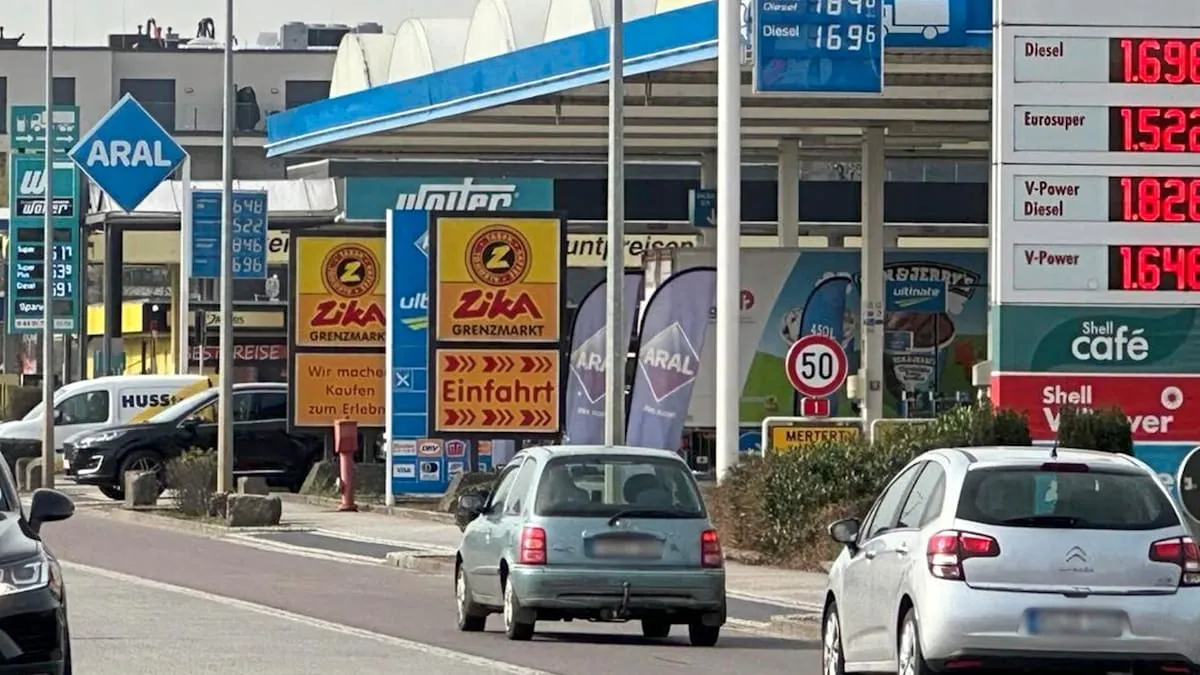
BERLIN — Germany's Bundesrat, the parliamentary body representing the federal states, has decisively rejected a proposal to set flexible maximum prices for gasoline, diesel, and heating oil. This decision, spearheaded by the states of Saarland and Mecklenburg-Vorpommern under the Social Democratic Party (SPD) initiative, leaves millions of consumers in Germany without direct protection from potential fuel price spikes in 2026.
The proposal, known as the 'Luxembourg Model', aimed to introduce government market intervention to stabilize energy costs for households and the transportation sector. The concept involved establishing an adjustable price cap that could dynamically respond to market conditions while ensuring affordability for the public.
Saarland and Mecklenburg-Vorpommern, governed by coalition administrations with SPD participation, argued that this measure was essential to protect citizens' purchasing power. They highlighted ongoing inflationary pressures and the direct impact of energy prices on the cost of living, a major concern for many German families.
The SPD's initiative was a response to global energy market volatility that has fueled price uncertainty. The SPD believed that without a capping mechanism, consumers would continue to bear the brunt of extreme price fluctuations, potentially hindering economic recovery post-pandemic and geopolitical challenges.
However, in the plenary session of the chamber of states, the necessary majority support for the legislative draft was not achieved. A significant number of states voiced objections, ultimately thwarting the ambition to implement a national energy price control scheme.
Critics of the Luxembourg Model, particularly from liberal parties like the FDP and conservative CDU/CSU, argued that such price intervention could distort free market principles. They feared the policy would create market distortions, reduce supply incentives, and potentially even lead to fuel shortages.
Economic experts also voiced concerns about the administrative complexity and fiscal burden that might arise from implementing and monitoring flexible maximum prices. This approach was considered to carry a risk of creating greater problems than the solutions it offered.
This rejection means that fuel prices in Germany will continue to be determined by global market dynamics, including international crude oil prices, exchange rates, and geopolitical factors. This situation requires consumers to remain vigilant about potential significant price changes.
For the German public, this rejection adds to the list of economic challenges to be faced. After the health insurance savings package was passed, burdening millions of citizens with higher costs, the failure to cap fuel prices could exacerbate the financial burden on households.
The German federal government now faces pressure to find alternative solutions to ease the cost of living for its citizens. Discussions on sustainable energy policies and effective consumer protection mechanisms are likely to remain key political agenda items in the Bundestag throughout 2026.
This rejection underscores a broader philosophical debate in German politics regarding the role of the state in the economy. Whether direct intervention is necessary for social stability or if trust in market forces will optimize resource allocation. Thus, although this initiative failed, the issue of energy prices and consumer protection will remain a key focus.