 Chris Robert
BRUSSELS — The European Union has officially announced the disbursement of ten billion euros in recovery funds for Hungary. This decision concludes a long period of financial blockade imposed due to serious concerns over violations of fundamental values and the rule of law in the country.
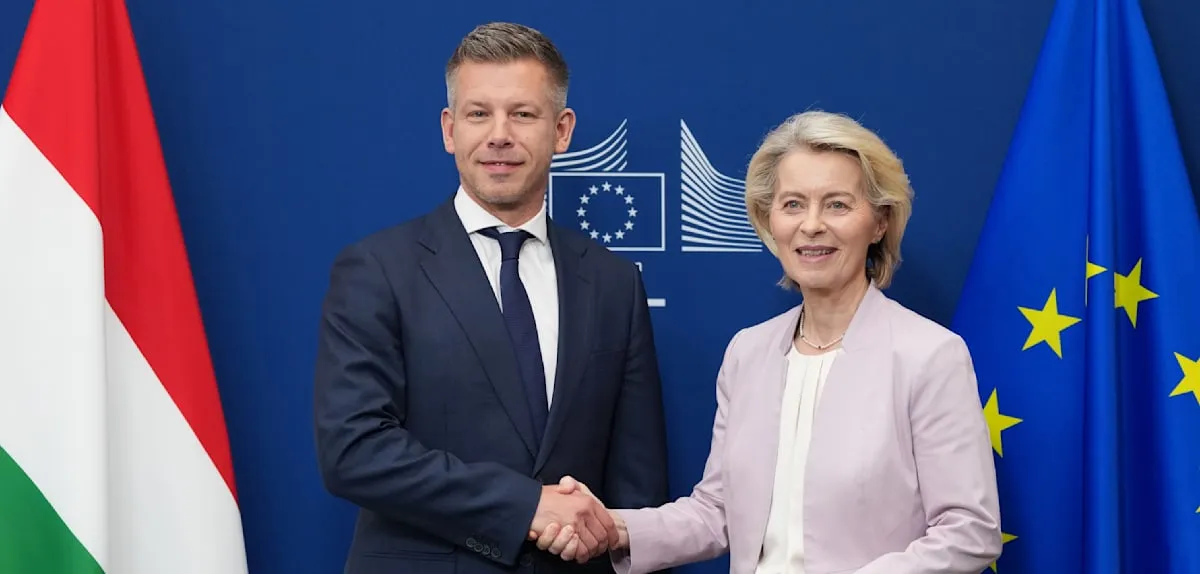
This significant fund injection was welcomed with joy by Hungarian Prime Minister Peter Magyar, who had previously actively advocated for these funds to drive economic development and reforms in his nation. Magyar, on various occasions, affirmed Hungary's commitment to realign with the principles of the European Union.
The freezing of these funds had lasted for several years, symbolizing the tension between Brussels and Budapest over policies deemed to deviate from EU standards of democracy and civil liberties. The European Commission repeatedly raised concerns about judicial independence, press freedom, and the handling of corruption in Hungary.
The ten billion euros now released originate from the EU's Recovery and Resilience Facility (RRF), a financial instrument designed to help member states recover from the pandemic's impact and build more resilient and sustainable economies. This budget is part of a larger support package, but a portion had been withheld pending concrete reform measures from the Hungarian government.
Prior to this disbursement decision, Hungary reportedly took several steps indicating a willingness to meet Brussels' demands. Nevertheless, specific details regarding which reforms have been fully implemented remain under public and international media scrutiny.
Peter Magyar himself actively engaged in dialogue with EU leaders, striving to demonstrate his government's seriousness in addressing the issues of concern. The success of these negotiations is a crucial point for Magyar's political reputation both domestically and regionally.
The EU's decision also triggers various speculations about its political implications, both in Brussels and Budapest. For the European Union, this move demonstrates flexibility and a willingness to compromise, while simultaneously highlighting ongoing challenges in enforcing its core values among member states.
Critics within the European Union argue that this fund release might be premature, given that some reforms may not have been fully implemented or their impact not yet significantly visible. They worry that this step could weaken the EU's position in pressuring other member states facing similar issues.
On the other hand, supporters of the decision view it as evidence that dialogue and diplomacy can yield change. They hope these funds will be used transparently and effectively to strengthen democratic institutions and improve the welfare of the Hungarian people.
The Hungarian government is expected to detail its plans for utilizing these funds soon. The primary focus is anticipated to include investments in green infrastructure, digitalization, and strengthening the health and education sectors, in line with the objectives of the European Union's Recovery and Resilience Facility. The public and media will continue to monitor the implementation of the promised reforms.