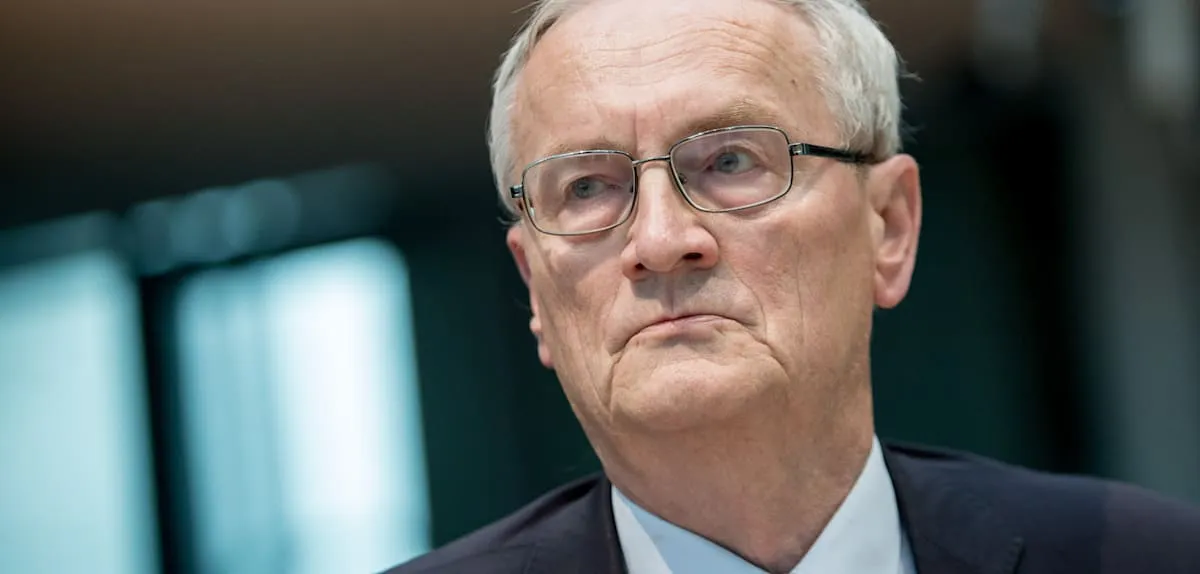
BERLIN – Elizabeth Brugger, a leading security expert from Germany's Green Party, recently asserted that simply allowing Russian President Vladimir Putin to act without consequence does not constitute a true peace policy. This provocative statement emerged amidst heated discussions about military defense with German youth, an initiative highlighting the complexity of public views on national security in 2026.
Brugger, known for her pragmatic views on security issues, expressed her rejection of the notion that total pacifism can bring lasting peace. For her, ignoring aggression or geopolitical ambitions risks fueling larger conflicts. This approach marks a nuanced shift in security discussions among Green Party politicians.
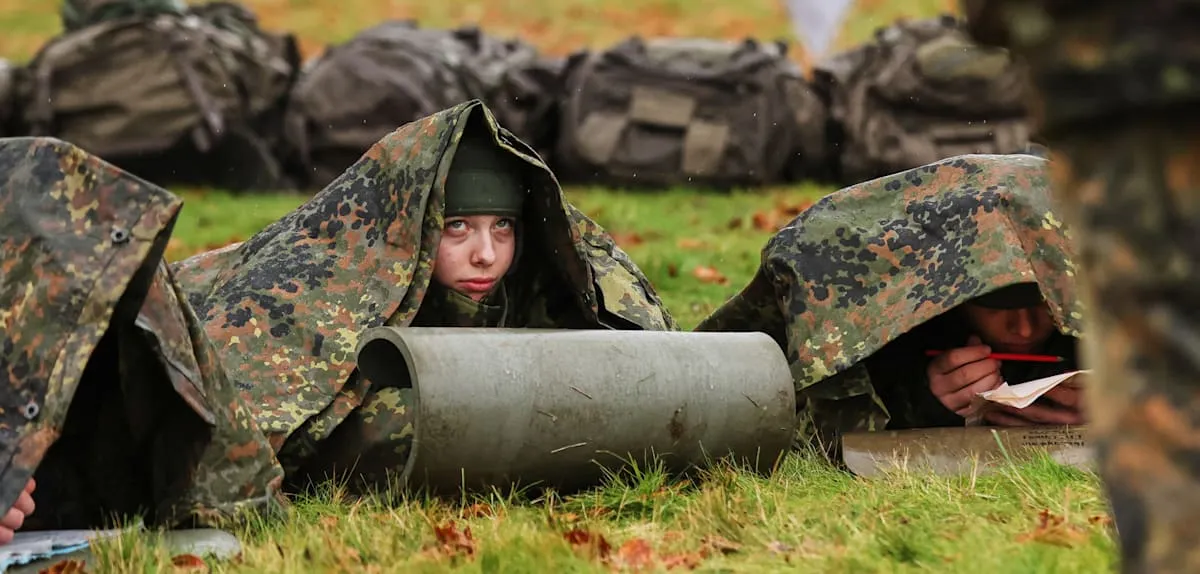
During her interactive dialogue with teenagers, Brugger posed a fundamental question: 'Would you militarily defend our country?' The diverse responses from young participants mirrored a wide spectrum of views, ranging from readiness to act to deep skepticism about involvement in armed conflict.
These varied answers reveal a crucial generational debate about Germany's security identity following the prolonged conflict in Eastern Europe. Concerns about escalation and the ethical dilemmas of war are primary considerations for many young people today.
Furthermore, Brugger also disclosed a disagreement with her own party's armament plans on one crucial point. Although the Green Party has historically adhered to values of peace and anti-nuclear stances, the geopolitical realities of 2026 demand a re-evaluation of defense strategies.
This divergence likely centers on the nuances of implementation or priorities in Germany's military modernization. For Brugger, enhancing defense capabilities is not merely about acquiring weapons but is an integral part of a credible deterrence strategy amid global tensions.
Brugger's comments are also relevant to broader calls within the European Union, such as those articulated by German politician Merz, who urged all member states to assist Ukraine. This indicates a growing consensus in Germany and Europe on the necessity of a firm stance against aggression, even if it means adopting military measures previously avoided. Merz Urges Brussels: All EU Nations Must Aid Ukraine, Wanner Reveals Front!
The current geopolitical situation, with Russia continuing to demonstrate aggressive maneuvers on Europe's eastern borders, serves as the primary backdrop for Brugger's statement. There is increasing concern that without a firm stance, President Putin's ambitions could expand, threatening broader regional stability.
Brugger's perspective also reflects the urgency to address threats made by Putin's allies, including nuclear threats, which have created unease across the European continent. In this context, discussions about military defense become even more pressing. Putin's Allies Threaten Europe with Nuclear Apocalypse 2026!
The Green Party, once at the forefront of the anti-war movement, now faces the reality that peaceful idealism must be balanced with security pragmatism. This transition is not easy, but it is a necessity amid rapidly changing global power dynamics.
Brugger's initiative to engage youth in this discussion is highly significant. It is not just about preparing them for potential conflicts but also about fostering a deeper understanding of civic responsibility and Germany's role in the global security order.
Such discussions, though challenging, are crucial foundations for forging a strong national consensus on defense policy. Allowing the younger generation to grasp these challenges and dilemmas will ensure that future decisions are based on full awareness and active participation.
Editorial Insight: Elizabeth Brugger's statement reflects a significant evolution in German foreign and defense policy thinking, especially within the traditionally pacifist Green Party. The geopolitical realities of 2026, marked by ongoing aggression and threats from Russia, compel Germany and Europe to reconsider their approach to 'peace.' This is no longer merely the absence of war, but the capability to deter aggression through strength. Internal party divisions on armament issues highlight the struggle to balance idealism with the pragmatism required in the modern security landscape. Moving forward, Germany will likely continue to strengthen its military capabilities while still seeking diplomatic solutions, albeit with a firmer stance.