 Debby Wijaya
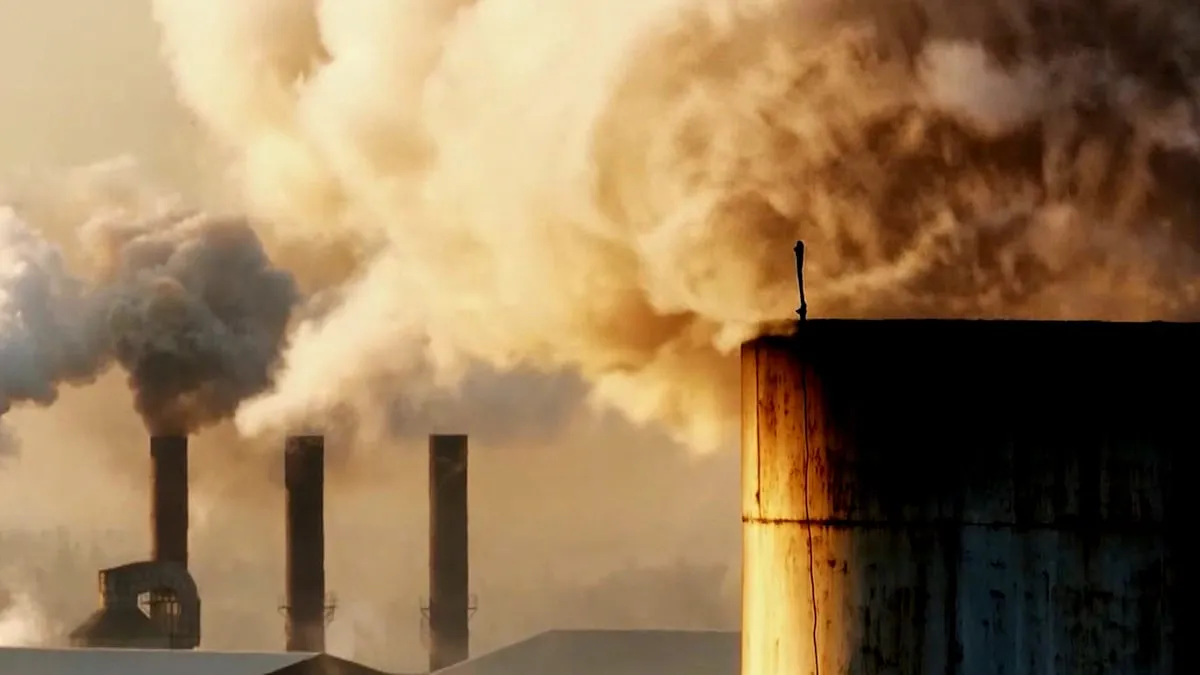
ANTALYA – The United Nations (UN) Climate Conference in the coastal city of Antalya, Turkey, has reached a significant impasse after protracted negotiations. Nearly 200 participating nations failed to agree on a concrete roadmap for the phased discontinuation of fossil fuels such as coal, oil, and gas, despite negotiations being extended for over 30 hours. The primary resistance originated from oil-producing countries, hindering global efforts to address the climate crisis.
The latest draft of the final declaration, once hoped to be a landmark agreement, is now back on the negotiating table with substantial gaps regarding energy commitments. The document still lacks explicit clauses concerning the timeline or clear mechanisms for transitioning from dirty energy to renewable sources. This situation has sparked disappointment among climate-vulnerable nations and environmental activists.
The deadlock in Antalya reflects the deep divisions between nations pushing for ambitious climate action and those whose economies remain heavily dependent on hydrocarbon exports. The debate over the fate of fossil fuels has been a central issue in every UN climate meeting for years, and this summit in Turkey is no exception.
Delegations from several member states of the Organization of the Petroleum Exporting Countries (OPEC) and its allies are reported to be at the forefront of resistance against stronger language regarding the phase-out of fossil fuels. They argue that the transition must be equitable and consider the energy needs and economic development of developing nations.
Without clear commitments, experts warn that the global target of limiting global warming to 1.5 degrees Celsius will become increasingly difficult to achieve. Every delay in reducing greenhouse gas emissions exacerbates the impacts of climate change, from rising sea levels to increasingly frequent extreme weather events.
This situation echoes similar difficulties in previous climate negotiations. The issue of phasing out fossil fuels has also been a stumbling block in other global discussions, including those related to the draft COP31 2026 document focusing on fossil fuel elimination.
A European diplomat, who requested anonymity, expressed frustration. We have negotiated tirelessly, yet some parties seem to prioritize short-term interests over the future of the planet, they stated, describing the tense atmosphere in the conference room.
Amidst calls for transition, oil-producing nations are concerned about the massive economic impact if global demand for hydrocarbons plummets drastically. The IEA itself has warned about potential global upheavals that could be triggered by changes in the energy market.
Nevertheless, negotiators still hope to find common ground in the coming hours, albeit with lower expectations. The focus may shift towards increasing renewable energy targets or energy efficiency, rather than explicitly phasing out fossil fuels.
A failure to reach consensus in Antalya could send a negative signal to global markets and the public, indicating that the international community is still not fully prepared to confront the urgent challenges of energy transition.
Editorial Insight: This deadlock in Antalya is not merely a diplomatic failure but a clear reflection of the development-versus-environment dilemma haunting the world. Oil-producing nations, in preserving their economic hegemony, are effectively postponing crucial solutions for the climate crisis. This situation demonstrates that energy transition is not just a technological issue but also a complex geopolitical and interest-driven political one, demanding bolder leadership from every nation. Without drastic changes in negotiation approaches and pressure tactics, global climate targets will remain an illusion.