 Stefani Rindus
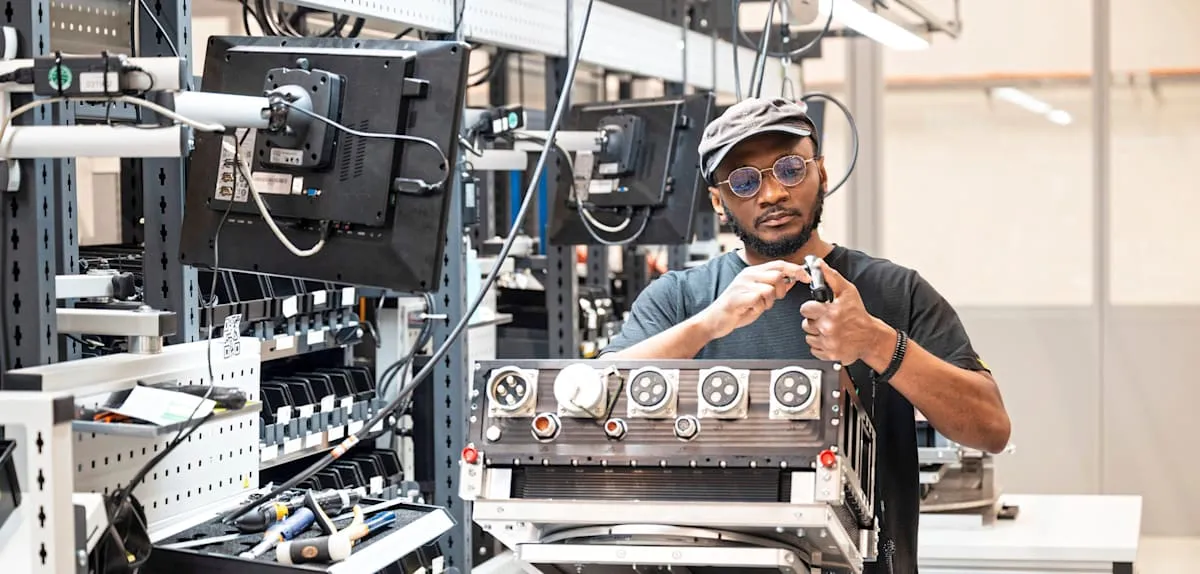
HAMBURG — Germany's defense industry is aggressively expanding its production capacity in 2026, responding to increasingly complex global geopolitical dynamics. This strategic move places German weapons manufacturers, most of whom are medium-sized companies, at the forefront of efforts to strengthen European security. One of the key players in this restructuring is Vincorion, located in Wedel, a newly publicly traded entity that manufactures vital components for battle tanks such as the Leopard and Puma.
This expansion marks a significant shift in German industrial policy, which is increasingly recognizing the urgency of defense self-sufficiency amidst global uncertainties. Increased investment in this sector is expected to meet domestic and export needs, while positioning Germany as a key pillar of regional security.
Vincorion, as a representative of the dynamic mid-sized industry, plays a central role in Germany's military supply chain. The company is known not only as a supplier of high-precision components for Germany's flagship tank fleet but also as a symbol of innovation and rapid adaptation to global market demands. Its recent stock market listing demonstrates market confidence in the growth prospects of the defense sector.
The German government, through various initiatives and policy support, is driving accelerated production. This aligns with its commitment to meeting NATO defense spending targets, which indirectly stimulates increased demand and investment across the entire defense industry spectrum.
Focusing on advanced military technology development is also a priority. The integration of new systems and the modernization of combat equipment require strong support from component manufacturers, driving innovation and production efficiency at Vincorion and similar companies.
This expansion is not without its challenges. Global competition, strict export regulations, and the need for skilled labor are factors that must be addressed. However, the wide-open market opportunities, especially from European Union member states, offer promising growth prospects.
Several defense analysts view this German move as crucial for maintaining the balance of power in Europe. By strengthening its defense industrial base, Germany not only reduces its dependence on foreign suppliers but also enhances its capacity as a reliable security partner.
Debate about the ethics and social implications of increased arms production remains a hot topic. However, the government insists that this step is part of a broader defense strategy to ensure stability and peace in the region.
Vincorion, with its status as a public company, faces closer public scrutiny regarding business practices and sustainability. Transparency and accountability are key to maintaining investor and public trust.
Vincorion's role in producing essential components for Leopard and Puma tanks underscores the vitality of German medium-sized enterprises in contemporary defense architecture. Their adaptability to modern military needs is fundamental. This situation also highlights how support for drone innovation, as suggested in the article “CSU Urges Germany to Achieve Ukrainian Drone Innovation, Condition for Military Aid”, can integrate with increased core component production.
The projected growth of the German defense industry in 2026 is expected to continue. This is driven by projected sustained government investment and increased global demand, creating a wave of optimism in the military manufacturing sector.
This expansion also has significant economic impacts, creating thousands of new jobs and fostering growth in related sectors. Regions like Wedel, where Vincorion operates, are experiencing a direct economic boost.
Ultimately, Germany's defense industry restructuring in 2026 is not just about arms production but about strengthening strategic capacity, technological independence, and Germany's increasingly prominent role in an evolving European security architecture.