 Debby Wijaya

MIDDLE EAST — Geopolitical tensions in the Middle East have reached a critical point after the United States launched recent strikes against several Iranian oil facilities. This military action, occurring in mid-2026, immediately sparked deep concerns among security analysts and global markets, with experts warning that the Iranian regime is attempting to hold world economic stability hostage as a strategic maneuver.
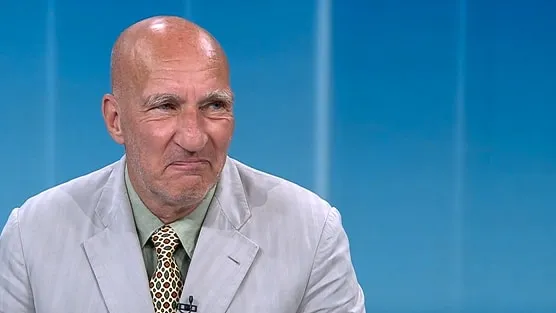
The latest analysis from Nico Lange, a prominent security expert, highlights the serious implications of this escalation. According to Lange, the US strikes are a response to Iran's systematic use of energy assets as a blackmail tool. "It is regrettable that this regime in Iran can repeatedly blackmail all of us," Lange stated, implying frustration with Tehran's pattern of behavior.
This incident marks a new chapter in the long-standing conflict dynamics between Washington and Tehran. The targets of the attacks are believed to be vital facilities with significant oil production and distribution capacities, which if disrupted, could drastically shake global energy supplies.
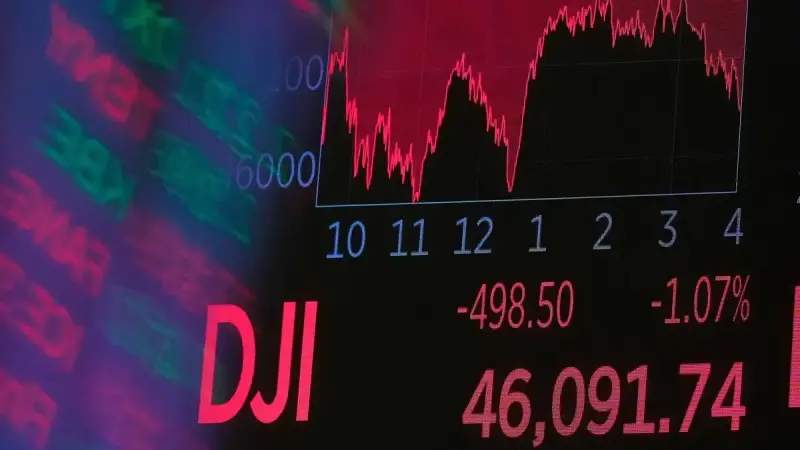
The immediate impact on commodity markets is already being felt. Global crude oil prices are showing sharp volatility, reflecting investor anxiety over the prospect of supply shortages or distribution chain disruptions. This situation is compounded by existing uncertainties casting a shadow over the global economy in 2026.
President Joe Biden's administration has not released detailed statements regarding the operation, but anonymous sources in Washington indicate that the actions aim to weaken Iran's ability to finance activities deemed destabilizing in the region. It also serves as a strong message against Iran's growing nuclear ambitions and ballistic missile program.
Lange further explained that Iran's strategy to hold the global economy hostage is not new, but its intensity has increased. The objective is to gain diplomatic or financial concessions from the international community, leveraging the world's dependence on energy from the Persian Gulf region.
International organizations such as the UN and the European Union are calling for immediate de-escalation, fearing that a full-scale armed conflict in the region would have catastrophic consequences for global trade and regional stability. Diplomacy remains the encouraged path, though its prospects appear dim.
On the other hand, some US allied nations voiced support, viewing Washington's actions as a necessary step to uphold stability and deter aggressive behavior. However, there are also concerns that these actions could exacerbate tensions and trigger a broader cycle of retaliation.
Economists project that if this crisis protracts or even worsens, energy prices could skyrocket, fueling inflation and hindering global economic growth that is attempting to recover from previous challenges. This could lead to a greater 'German Debt Burden 2026: Future Generations Face Historic Financial Risk', as experts have already predicted.
Analysts are also closely monitoring the potential impact on vital shipping lanes in the Strait of Hormuz, a strategic choke point for a significant portion of the world's oil exports. Threats to the security of this route could cripple global energy distribution, with unimaginable consequences.
Nico Lange emphasized the importance of a coordinated response from the international community. He suggested that major powers unite to pressure Iran to cease its blackmail practices, while maintaining open channels of communication.
Nevertheless, the political complexity in the Middle East, with various conflicting actors and interests, makes a peaceful resolution extremely difficult to achieve. Every step taken by one party can trigger a chain reaction from others, prolonging uncertainty.
This event also adds to the long list of challenges facing the world economy in 2026, including the threat of climate change and the uncertainty of renewable energy supplies. This situation also complicates the climate ambitions of several countries, as reflected in the condition of 'Shaken Economy, Germany's Climate Ambitions on the Brink in 2026' which has been under scrutiny. Global leaders are now faced with a crucial dilemma: how to balance energy needs with regional security and global stability.
Stock markets across various parts of the world show mixed reactions, with some energy sectors experiencing gains while others are hit by uncertainty. Investors are seeking refuge in safe-haven assets, signaling a period of significant financial turmoil.
Lange concluded his analysis with a warning: as long as the Iranian regime perceives benefits from these blackmail tactics, the world will continue to face risks of economic and security instability. A long-term resolution demands fundamental changes in Tehran's behavior or a more effective international handling strategy.