 Robert Andrison
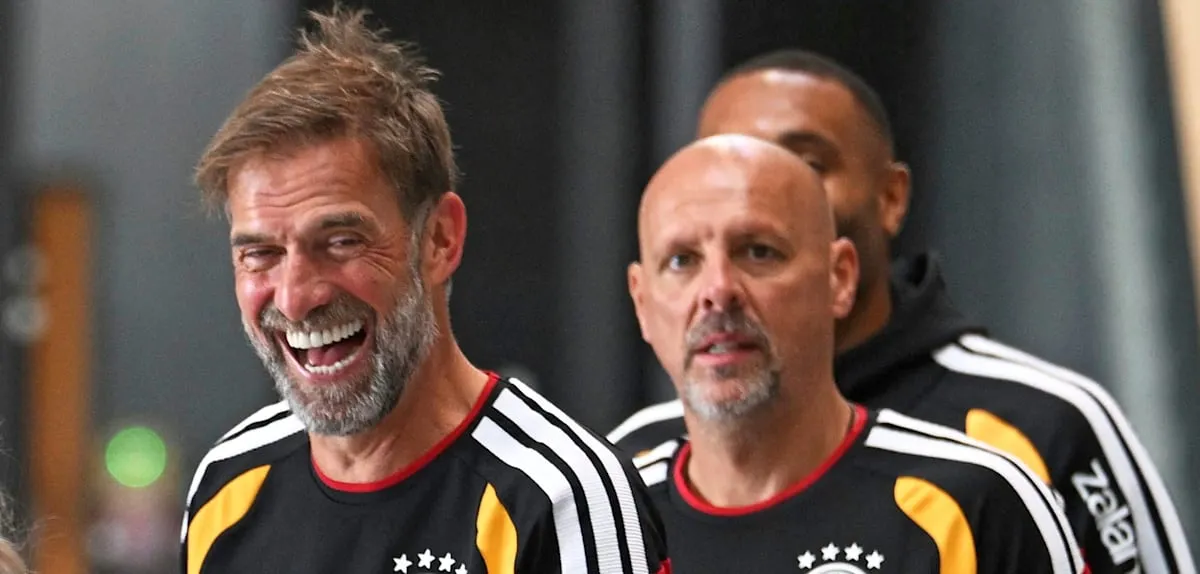
BERLIN – The German Football Association (DFB) is once again under public scrutiny following sharp remarks from its new strategic advisor, Marc Kosicke. The renowned agent, now collaborating with national team coach Jurgen Klopp, candidly expressed his concerns. Kosicke believes that the 'Made in Germany' ethos, synonymous with excellence and discipline in football, has significantly eroded, raising major questions about the future performance of Die Mannschaft on the international stage.
Kosicke, with a long track record in the global football industry, officially joined the DFB as a strategic advisor. This move coincided with Jurgen Klopp's appointment as the national team's architect, a duo expected to bring a fresh wind of change. Both are tasked with formulating a comprehensive strategy to address various problems plaguing German football, at both senior and grassroots levels.
The core of Kosicke's criticism is the loss of the distinctive identity that has long been Germany's pride. The 'Made in Germany' ethos in football refers to a combination of characteristics such as superior tactical discipline, an indomitable mentality, physical strength, and the consistent ability to develop young talent. These hallmarks once led Germany to dominate major competitions, including the World Cup title.
We feel we have lost this 'Made in Germany' essence, said Kosicke, as quoted from internal DFB reports. He emphasized that this is not mere rhetoric, but a reflection of the decline in quality evident from the national team's performance in recent years. The absence of innovation, stagnation in player development, and a lack of fighting spirit on the field are clear indicators.
Kosicke's analysis suggests that this problem extends throughout the entire structure of German football. From an outdated youth development system, coaching curricula no longer relevant to modern football's evolution, to player transfer policies that often overlook local potential. This presents a major challenge for the DFB under its new leadership.
Jurgen Klopp, with his revolutionary Gegenpressing philosophy, is expected to be a catalyst for revival. Klopp, known for his ability to inspire teams and develop players, has the challenging task of unifying the DFB's vision with practical implementation on the field. The collaboration between Kosicke's strategic insights and Klopp's tactical genius is expected to create positive synergy.
Several priority areas identified by Kosicke for improvement include:
- Revitalizing Youth Development: Developing more modern and flexible programs, focusing on individual creativity and tactical understanding from a young age.
- Standardizing Coaching Curricula: Updating training materials and coach certifications to align with contemporary football demands.
- Enhancing Club and National Team Integration: Fostering closer cooperation between Bundesliga clubs and the DFB in player development.
- Strengthening the Winning Mentality: Reinstilling the work ethic, discipline, and competitive spirit that are hallmarks of Germany.
This decline in quality not only impacts on-field achievements but also extends to the economic aspects and image of German football worldwide. Sponsor confidence, fan interest, and the Bundesliga's position as one of Europe's top leagues could be jeopardized if these issues are not addressed seriously and promptly. Similar challenges were once faced by South Korea, indicating that internal team problems are a global issue.
DFB is now at a crossroads. The decisions and steps taken in the coming years will determine whether Germany can restore its football glory or further sink into the shadows of the past. The public awaits concrete breakthroughs from the Kosicke-Klopp duo.
Editorial Insight: Marc Kosicke's statement is not merely a complaint but a loud alarm bell for the DFB and all stakeholders in German football. Jurgen Klopp's presence as national team head coach indeed promises hope, but the structural challenges outlined by Kosicke require more than just on-field strategies. It demands a comprehensive reform ranging from development philosophy to management. The success of this effort will be a benchmark not only for the national team's performance but also for the identity of German football in an increasingly competitive global era. This transformation needs long-term commitment from all elements of German football, including the league, clubs, and fan base, to truly revive the legendary 'Made in Germany' spirit.