 Debby Wijaya
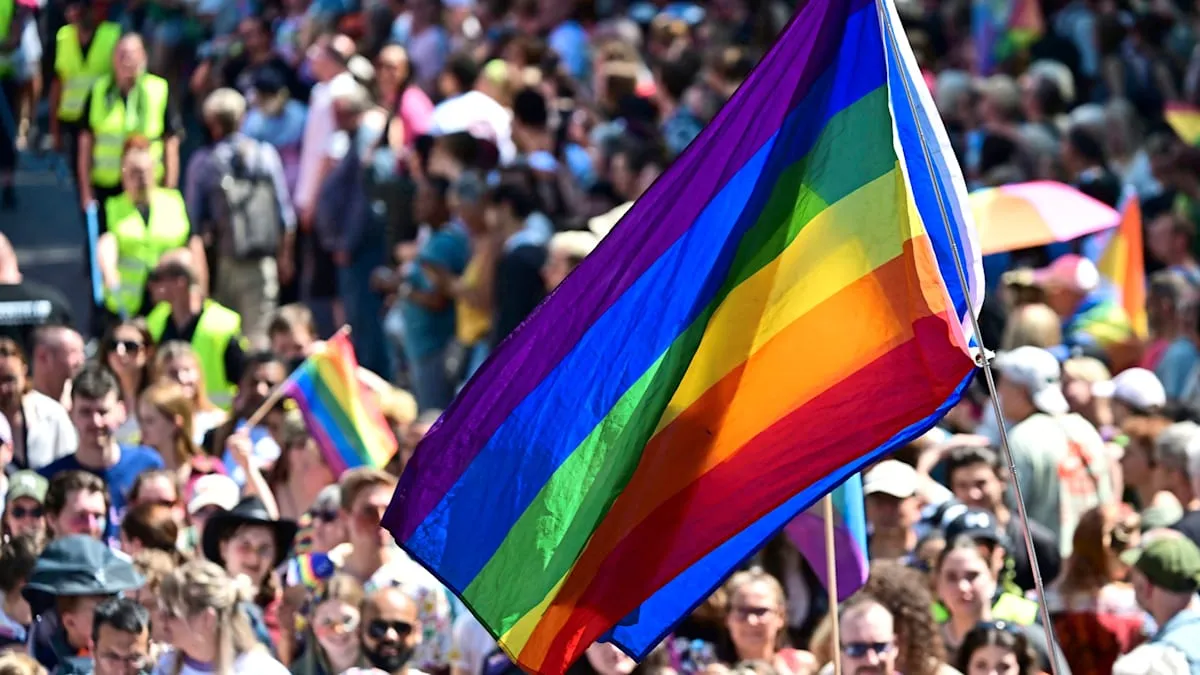
Berlin — A fervent discussion on German television, specifically the \"Sarah Tacke\" program in mid-2026, thoroughly explored national security issues following a tragic attack during the Christopher Street Day (CSD) event. The debate reached its climax when a former Salafist issued a startling call for the construction of a robust \"firewall\" against the ideology of Islamism, shaking the foundations of Germany's security policy.
The brutal assault on the CSD celebrations a while ago not only claimed lives but also rekindled deep public fears in Germany regarding the threat of extremism. This incident triggered a wave of demands for the government to take more decisive action, simultaneously opening space for a more radical dialogue on how to protect the nation from the infiltration of dangerous ideologies.
The \"Sarah Tacke\" program, which has now replaced \"Maybrit Illner\" as a primary forum for political and social debate, successfully brought together a diverse spectrum of views. From security experts to human rights activists, each speaker presented crucial perspectives on the complex security challenges currently facing Germany.
One prominent voice was a leading human rights activist. She sharply attributed Germany with a condition of \"amnesia\", a collective forgetting of the root causes and recurring patterns of extremist threats. According to her, systemic failures to address these fundamental issues have created continuous vulnerabilities exploited by radical groups.
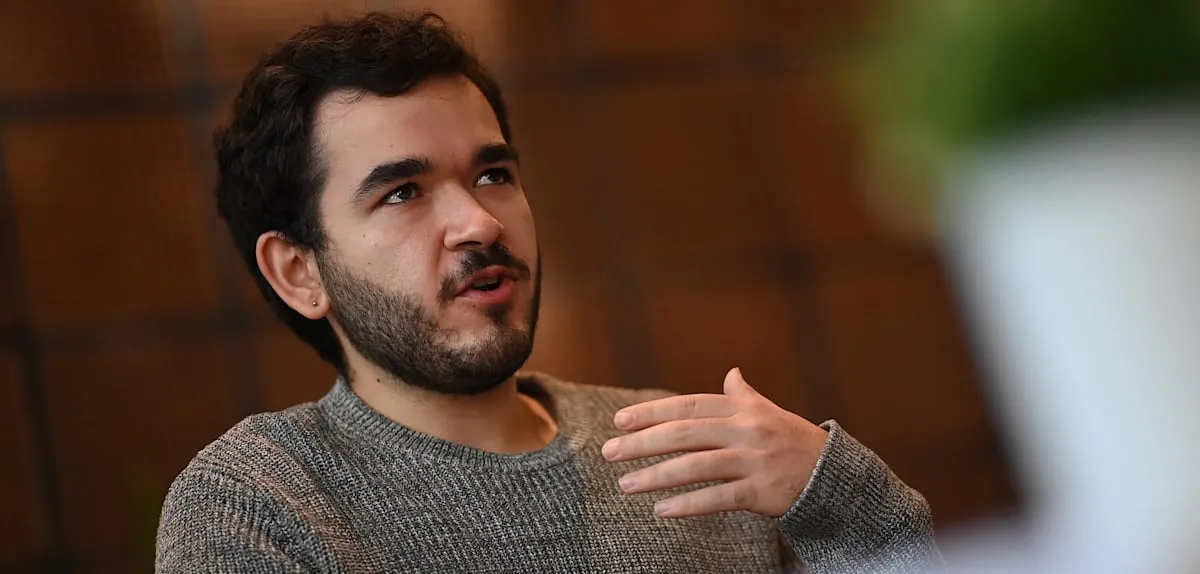
However, the most compelling moment of the discussion arrived when an individual who had previously been affiliated with the Salafist movement was given the opportunity to speak. His unique experience from within extremist circles lent him authority to voice a perspective rarely heard in mainstream public discourse.
He was unequivocal in his statement. With a firm tone, the former Salafist called for the establishment of a rigid \"firewall\" against Islamism. This terminology, literally meaning a barrier or strict boundary, is intended to prevent the spread and infiltration of Islamist ideology into German society at all levels.
For the former Salafist, his personal experience served as tangible proof of the latent dangers of Islamism. He argued that soft approaches or excessive tolerance towards this ideology would only exacerbate the situation, allowing radical cells to thrive and recruit new members, especially among vulnerable youth.
The \"firewall\" proposal immediately sparked a wave of reactions and debate. Some supported it as a bold and essential step to safeguard national sovereignty and democratic values. They believe it is time for Germany to take an uncompromising stance against an inherently anti-democratic ideology.
Conversely, many critics voiced serious concerns. They warned that such a measure could potentially violate civil rights, fuel stigmatization against peaceful Muslim communities, and actually worsen social polarization. Extreme restrictions could erode the foundations of a multicultural society built with great effort.
The German government, under the leadership of the current Chancellor, faces a complex dilemma. On one hand, there is public pressure to ensure security and order. On the other hand, constitutional principles of freedom of religion and human rights protection cannot be ignored. The Ministry of Interior and intelligence agencies have increased surveillance, but a comprehensive solution remains elusive.
This debate is inseparable from the broader German political context, where issues of migration and integration are often heated topics. Social tensions have escalated, as seen in reports regarding a sharp decline in migrant deportations from Germany and strong reactions from conservative parties like the AfD. This situation adds a layer of complexity to the national security discussion.
Counterterrorism experts highlight the importance of a multi-dimensional approach. They emphasize the need for a combination of firm law enforcement, effective deradicalization programs, and long-term efforts to address the root causes of extremism, such as discrimination, unemployment, and social isolation.
Germany's own history is fraught with bitter lessons about extremism, from both the far-right and the far-left. The \"amnesia\" condition mentioned by the human rights activist might refer to a failure to learn from the past, repeating similar patterns in confronting new threats.
In 2026, Germany continues to grapple with the challenge of finding the right balance between security and freedom. The former Salafist's call for a \"firewall\" serves as a powerful metaphor for some segments of society's desire for absolute protection, yet also a symbol of potentially greater risks to social cohesion.
The government is expected to continue pursuing a cautious path, prioritizing intercultural dialogue while strengthening intelligence and law enforcement capabilities. However, it is clear that the debate on how to confront Islamism will remain one of the most pressing agendas in German politics and society.
The CSD events and the responses voiced by various parties, including the former Salafist, underscore that Germany's security landscape is now at a crossroads. Decisions made over the next few years will determine the future direction of social integration and national security at the heart of Europe.