 Chris Robert
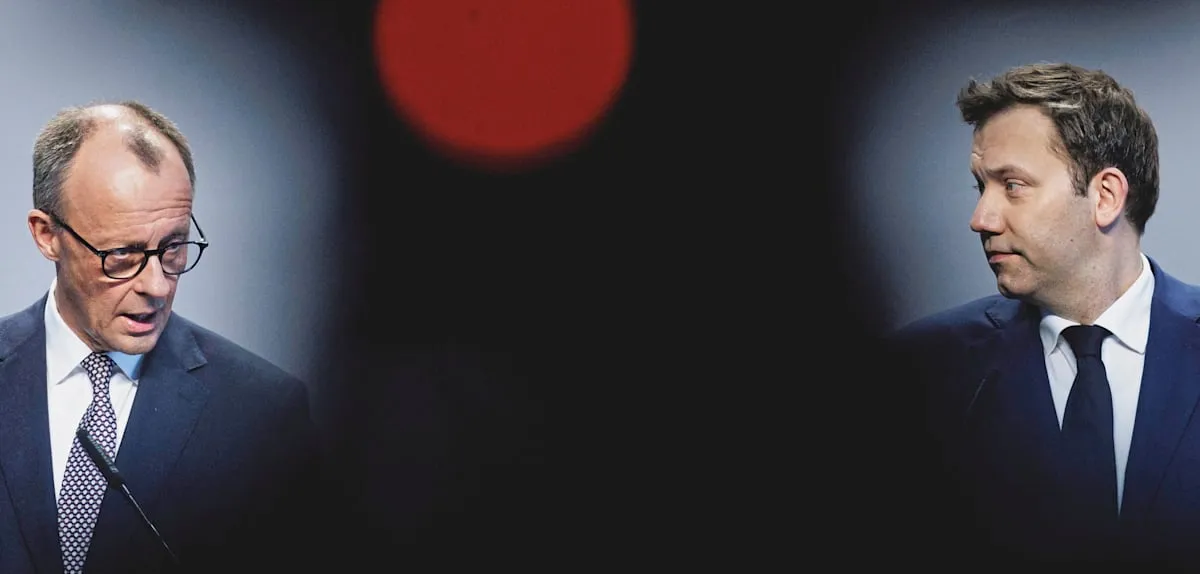
BERLIN – German Federal Finance Minister Christian Klingbeil is facing a strong wave of protests from opposition parties following his proposal to tighten tax policies for associations (Vereine) across Germany. This controversial plan, presented in mid-2026, has sparked significant political tension and threatens the vitality of civil society.
Klingbeil's proposal aims to review and potentially increase the tax burden for various types of associations, ranging from local sports clubs and cultural organizations to social foundations. The government argues that this step is part of a broader fiscal reform effort to ensure fairness and optimize state revenues.
However, the opposition coalition, including the Christian Democratic Union (CDU/CSU), the Alternative for Germany (AfD), and Die Linke, unanimously voiced strong opposition. They believe that this policy will not only burden thousands of volunteers but also threaten the continuity of the social and cultural functions carried out by these associations.
A spokesperson from the CDU/CSU parliamentary group in the Bundestag, who wished to remain anonymous, stated, "Minister Klingbeil's plan demonstrates a lack of understanding of the crucial role associations play in German society. These are not merely economic entities but the backbone of our communities. The government's hands should not touch them with damaging tax policies."
The AfD party also criticized the move. AfD parliament members emphasized that many associations operate on limited budgets and rely heavily on donations and volunteer work. "Increasing their taxes is akin to stifling civil society initiatives. This is a wrong move and will negatively impact social cohesion," an AfD politician said in a press statement.
Die Linke, which often advocates for the protection of vulnerable groups, also voiced its concerns. They worry that higher tax policies will force small associations to reduce services or even close down, particularly in rural areas with minimal support.
Amidst the chorus of criticism, the Federal Ministry of Finance has not yet provided a detailed official response. However, internal sources indicate that the government remains firm on its stance, arguing that a re-evaluation of tax policy is necessary to create a system more adaptable to the economic dynamics of 2026.
Political observers predict that the debate over this proposal will be one of the hottest issues on the upcoming parliamentary agenda. National association advocacy groups have also announced their intention to launch a major public campaign to pressure the government to withdraw the plan.
The main concern lies in the potential domino effect. If associations face financial difficulties, the impact will be felt at the grassroots level, from youth sports programs and local art activities to social services for the elderly. This could erode the foundations of solidarity and citizen participation in Germany.
This situation also highlights the fiscal dilemma facing the German government post-pandemic and energy crises, where finding new sources of revenue is a priority. However, critics argue that the burden should not be shifted to a sector that contributes significantly to social welfare without seeking profit.
Editorial Insight: Minister Klingbeil's proposed tax policy for associations in Germany is a bold move with the potential to trigger significant socio-political upheaval. While the government may view it as a way to balance the budget, the risk of weakening civil society functions and volunteer spirit is very high. The unified opposition in rejecting the proposal indicates that this battle is far from over, and its outcome will largely determine the future direction of state-society relations in Germany post-2026.