 Gabriella
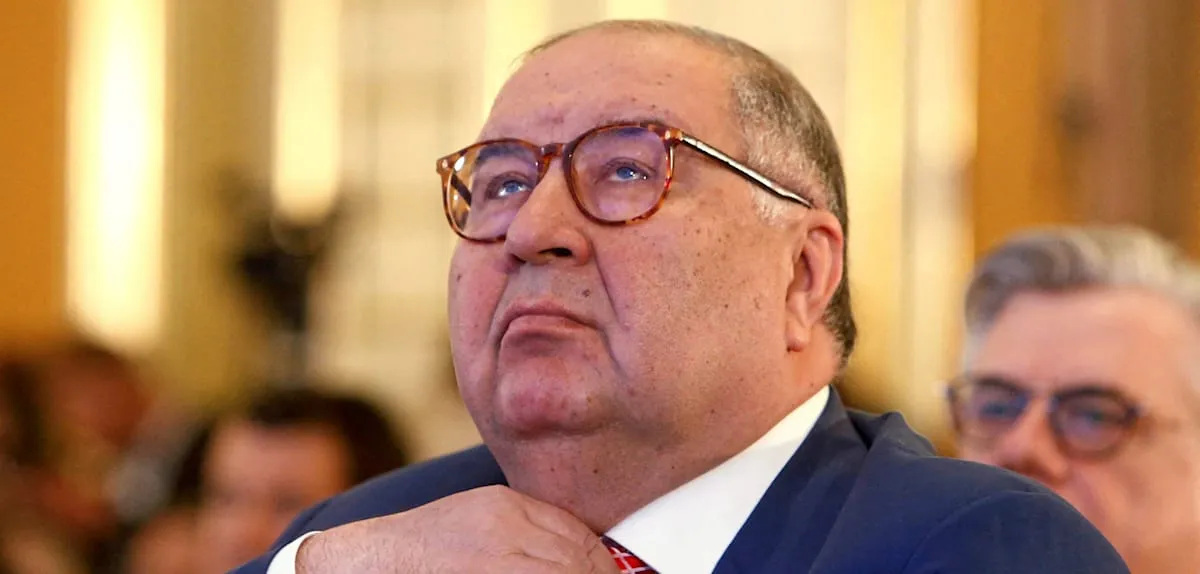
BRUSSELS – The European Union (EU) is formulating a controversial strategy concerning sanctions against Russia. In a surprising move, the EU plans to lift asset freezes and travel bans on two prominent Russian billionaires, Alisher Usmanov and Mikhail Fridman, who were previously blacklisted. This decision, which has the potential to spark fierce debate, is primarily aimed at preventing a broader blockade of sanctions against thousands of other individuals linked to the Kremlin.
This considered policy emerges after several court cases overturned sanctions against certain figures. The move is seen as a tactical maneuver by some officials in Brussels to preserve the overall sanctions regime. If sanctions against Usmanov and Fridman were to remain in place and subsequently be overturned by the courts, it could set a precedent that would undermine the entire EU sanctions framework.
Since Russia's invasion of Ukraine in February 2022, the EU, along with its allies, has imposed an unprecedented series of economic and individual sanctions. These sanctions target banking, energy, and technology entities, as well as hundreds of individuals, including oligarchs considered to have close ties to President Vladimir Putin.
Alisher Usmanov, a steel and telecommunications magnate, is one of Russia's wealthiest individuals, possessing significant global assets. Meanwhile, Mikhail Fridman is the founder of Alfa Group, a large conglomerate with interests in banking, insurance, and retail sectors. Both have long been under international scrutiny due to their business and political connections.
The potential lifting of these sanctions is likely to draw strong criticism from human rights groups and some EU member states that maintain a firm stance on sanctions. They argue that any relaxation of sanctions could be perceived as a sign of weakness or a compromise in the face of Russian aggression.
However, diplomatic sources in Brussels suggest that this decision is more of a pragmatic step than a political concession. Its objective is to consolidate the legal basis of EU sanctions and prevent legal challenges that could endanger thousands of other existing sanctions.
The threat of a blockade refers to concerns that if EU courts continue to overturn sanctions against high-profile individuals, it could open the door for similar lawsuits by thousands of other sanctioned persons. Such a situation has the potential to paralyze the EU's efforts to maintain economic pressure on Moscow.
The long-term implications of this decision remain a subject of debate. Some analysts argue that it could set a precedent for future sanctions reviews, while others view it as a clever strategy to strengthen the legitimacy and effectiveness of the remaining sanctions.
Russia's efforts to cope with sanctions, including the potential for increased independent military production, have been a focus of attention. A related article titled Russia's Secret Plan to Produce Tens of Thousands of Drones Annually Revealed highlights how Moscow is adapting to global pressure.
Editorial Insight: The EU's decision to consider lifting sanctions against two Russian oligarchs is not merely a concession but a complex legal and diplomatic maneuver. It demonstrates the EU's pragmatism in preserving the overall validity of its sanctions regime amidst increasing legal challenges. Despite the risk of criticism, this move has the potential to strengthen the EU's long-term position, ensuring that sanctions against thousands of other individuals maintain a solid and legally defensible foundation.