 Gabriella
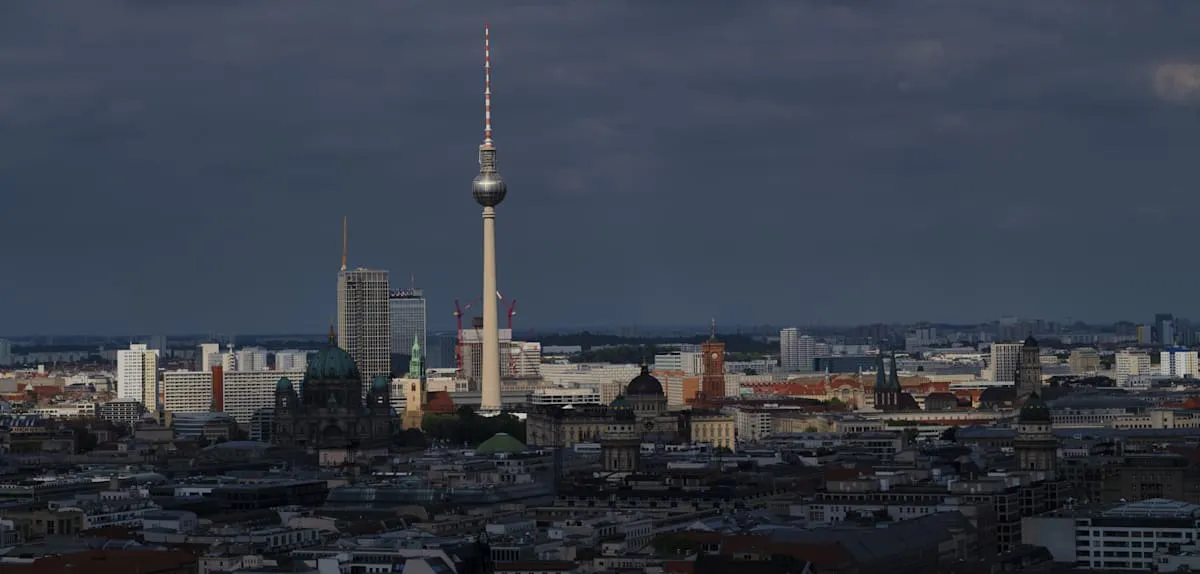
BERLIN – Major German parties, the Union and the Social Democrats (SPD), have openly declared their ambition to elect the first female Federal President in the upcoming 2027 election. An exclusive survey conducted for WELT AM SONNTAG recently revealed the German public's views on the potential for female leadership in this head of state position, sparking important discussions about the readiness of German democracy in 2026.
This ambition arises amidst evolving political dynamics, where gender representation has become a key focus in the global leadership landscape. The move is seen as a significant effort to modernize the nation's highest institution and send a strong message about equality, aligning with international trends.
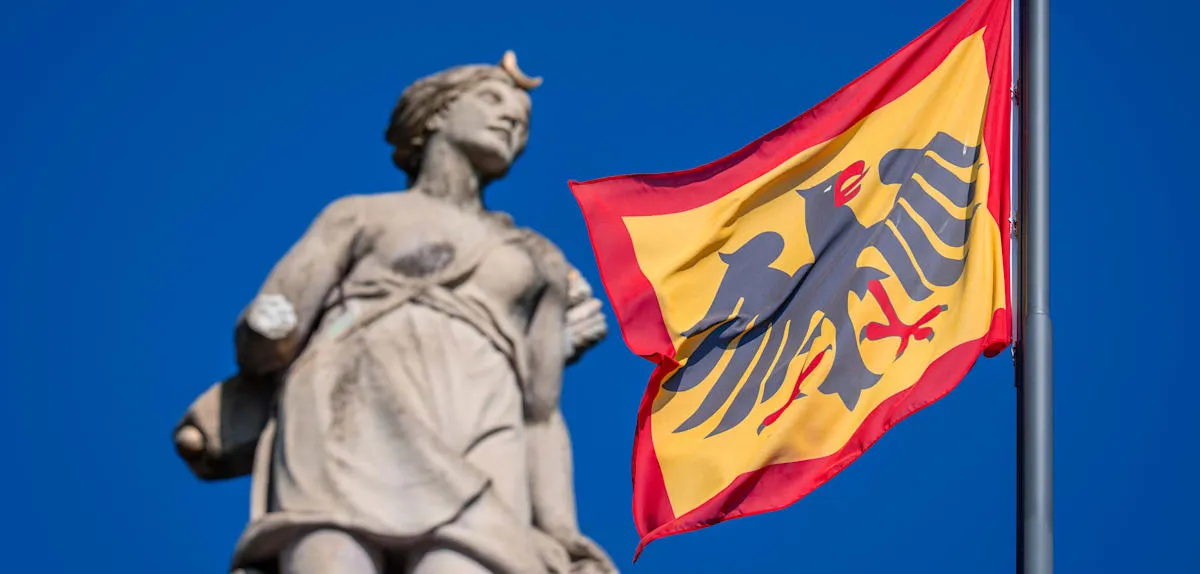
While the Chancellor, as head of the executive government, holds dominant political power, the Federal President is the ceremonial head of state, possessing moral and constitutional authority. This role serves as a unifying figure for the nation and represents Germany on the international stage, a position that is symbolic yet essential.
The WELT AM SONNTAG survey, with results published in 2026, was specifically designed to gauge the extent to which the idea of a female president is accepted across various segments of society. It represents not just raw numbers, but a deeper reflection of public aspirations and concerns.
Initial findings from the survey indicate broad acceptance among citizens. A majority of respondents expressed their openness to a woman occupying the highest office, viewing it as a progressive step consistent with modern German values and a commitment to gender equality.
Demographically, support tends to be higher among younger and urban voters, as well as those with higher education. However, even within more conservative segments of society, resistance to this idea is not dominant, indicating a significant cultural and intellectual shift across the German social spectrum.
Figures from the Union Party, traditionally more conservative, and the Social Democrats (SPD), known for their equality agenda, both view this initiative as an important political momentum. This suggests a cross-party consensus on the issue of gender representation at the apex of power, a phenomenon rarely seen on other issues.
Discussions about potential female candidates are beginning to emerge among politicians and observers. While the aspiration for a female president is high, challenges remain, including finding a figure with broad credibility capable of uniting various political factions and securing a majority in the Federal Assembly.
Germany has a strong history of female leadership through Angela Merkel as Chancellor for many years, who served until 2021. However, the role of Federal President carries a different symbolism, and electing a woman to this position would mark a new historical milestone in Germany's democratic journey, following the era of a female Chancellor.
This discourse is expected to become one of the hot topics leading up to the Federal Presidential election in 2027. Political pressure to realize this vision will intensify, pushing parties to seriously consider qualified female candidates for the office.
Internal party dynamics are also a concern, especially with political upheavals such as those seen in the case of BSW Resignations Rock Party: Accused of Proximity to AfD and Authoritarianism!, illustrating the sensitivity of identity politics and leadership in Germany today when facing various issues.
Editorial Insight: The idea of electing a female Federal President is an indicator of the maturity of German democracy in embracing gender equality at the highest echelons of power. However, it is important to note that this survey only gauges public opinion, and the actual political process of selecting a candidate will be far more complex, involving intensive inter-party negotiations and broader geopolitical considerations in 2026. The success of this initiative depends not only on public support but also on the ability of politicians to find a figure who can truly represent the entire spectrum of German society, while maintaining the independence and integrity of the presidential office.