 Angela Stefani
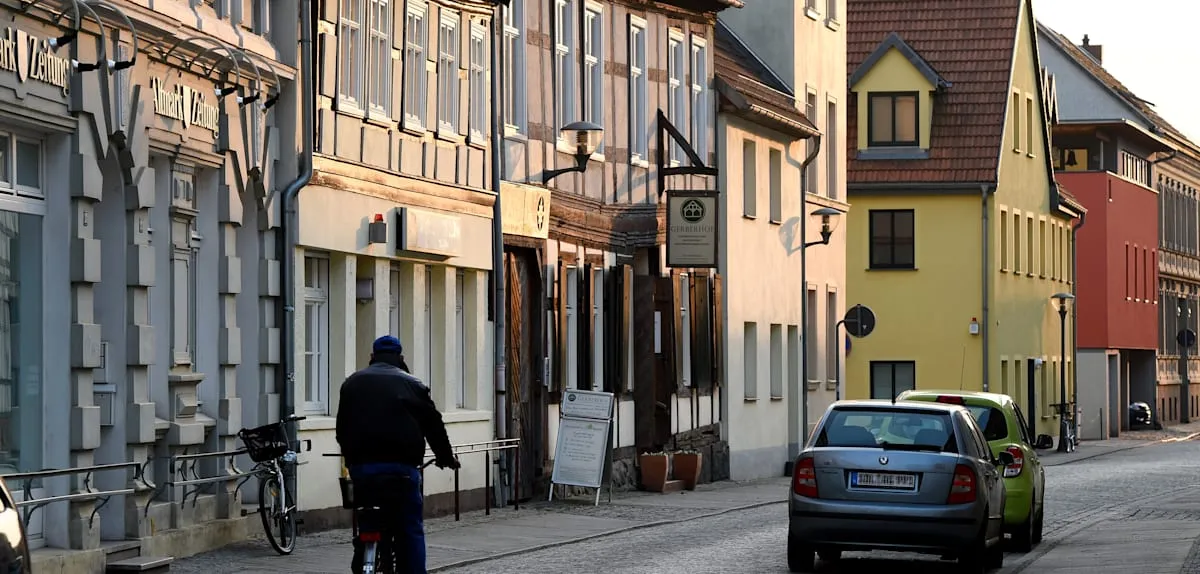
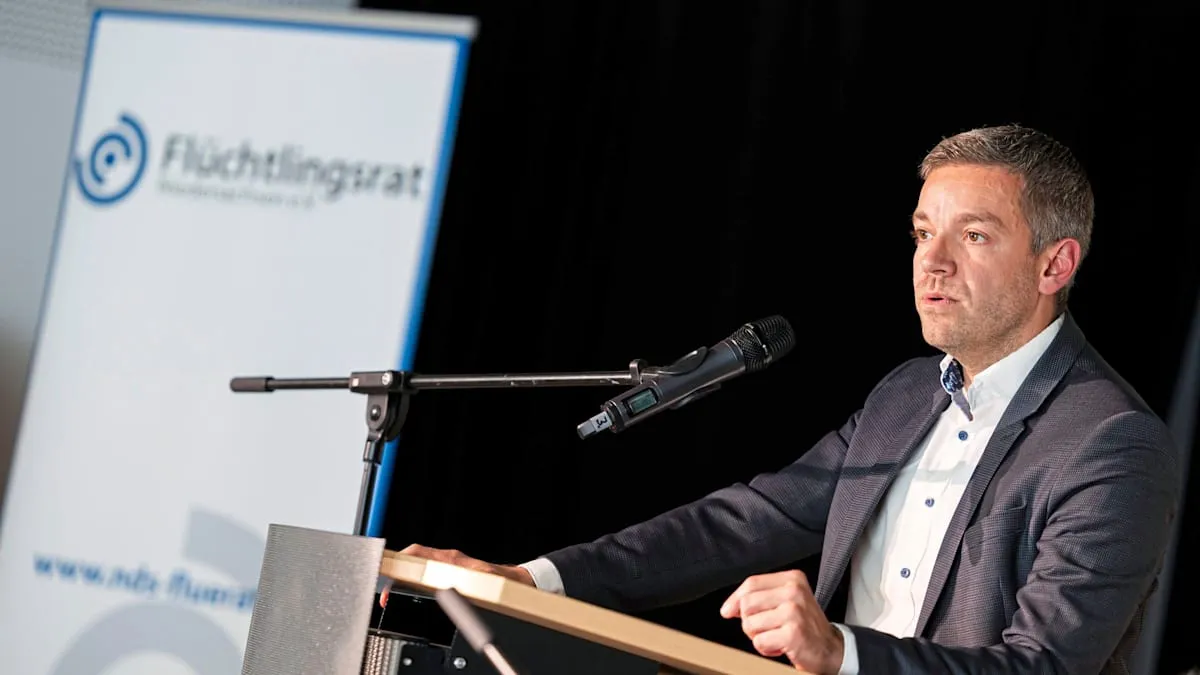
STENDAL – The district of Stendal, in the German state of Saxony-Anhalt, has become the focus of public attention following a controversial decision by several local politicians from the Christian Democratic Union (CDU) to ally with the far-right Alternative for Germany (AfD) party. This tactical move effectively granted AfD a majority in the local council, simultaneously opening the door for a far-right candidate to advance their political career in 2026.
This decision has surprised many, given the 'Brandmauer' or traditional firewall that mainstream parties have long upheld to isolate AfD from power. This collaboration marks a significant crack in the long-standing political strategy in Germany.
The CDU council members involved reportedly provided crucial support, enabling AfD to gain strategic positions previously out of reach. This event has sparked intense debate about political ethics and the future of Germany's party landscape.
A candidate from AfD, known for their far-right leanings, is now gaining momentum to ascend to higher political office, exploiting the gap created by this shift in alliances. This serves as a strong indication that the strategy of isolating AfD is becoming increasingly difficult to maintain at the local level.
In an exclusive interview, one local CDU member, who wished to remain anonymous, offered their perspective. We are facing political realities on the ground. Sometimes, for the sake of stability and efficiency in local governance, pragmatism must precede national party lines. The citizens of Stendal need solutions, not ideological stalemates, they stated, attempting to explain the motives behind their decision.
Reactions from the national CDU leadership and the state of Saxony-Anhalt are expected to be severe. This alliance has the potential to trigger a wave of protests and demands for accountability from within the party, which has historically adhered to the principle of not forming coalitions with AfD. This situation is similar to past controversies, such as those discussed in the article CDU Murka: NDR Dituding Intervensi Politik dalam Debat Pilkada Jerman, which highlighted political tensions within the CDU.
These developments reinforce the narrative of increasing political fragmentation and the difficulty for traditional parties to halt the rise of populist parties. Saxony-Anhalt itself is one of AfD's strongholds, and the incident in Stendal could set a dangerous precedent for other regions.
AfD, founded in 2013, has consistently challenged the German political status quo with its anti-immigrant and Euroskeptic platform. Despite often being labeled extremist, support for the party continues to grow, especially in former East German territories.
Public sentiment in Stendal varies. Some residents view it as a necessary step for regional progress, while others voice deep concerns about the normalization of far-right ideology and its impact on democratic values.
The incident in Stendal is not merely a reflection of local political dynamics but also part of a broader trend across Europe, where populist and far-right parties continue to gain power and legitimacy amidst public frustration with mainstream politics.
Editorial Insight:
The events in Stendal underscore the acute challenges facing liberal democracies in Europe. The breach of the Brandmauer by local CDU politicians can be seen as a sign of pragmatic desperation or, more alarmingly, a gradual erosion of principles that have long maintained political stability. The consequences extend beyond a politician's career, impacting the redefinition of political boundaries previously considered taboo, potentially paving the way for further mainstreaming of once-marginalized ideologies.