 Dodi Irawan
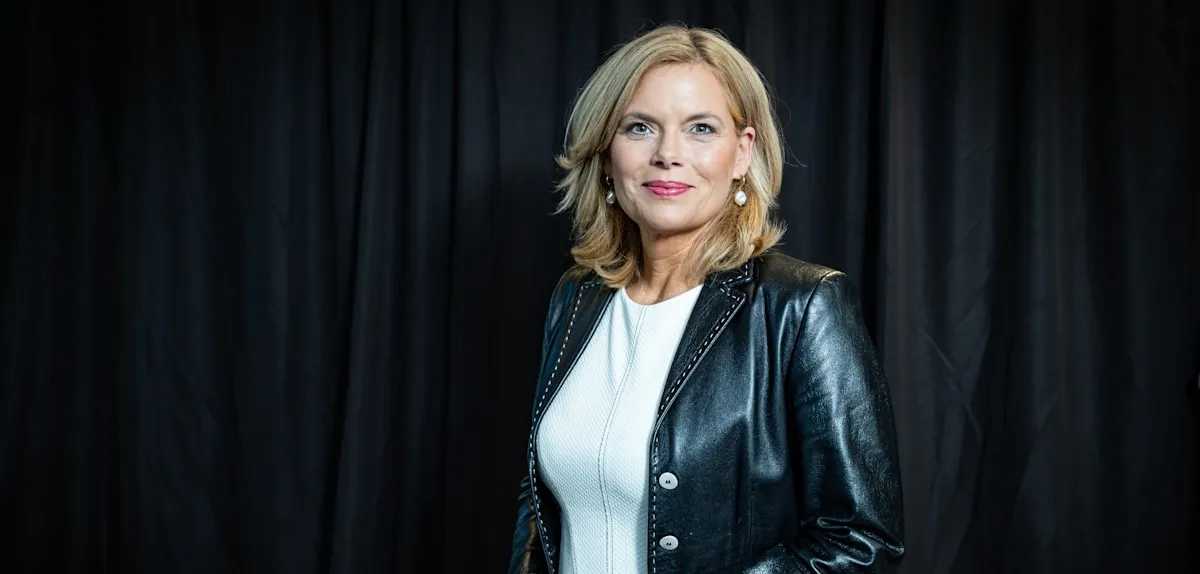
BERLIN — The President of the German Bundestag, Klöckner from the CDU party, recently voiced deep concern over the erosion of freedom of opinion and the increasing "enemy" mentality in national political discourse. In her statement in 2026, Klöckner highlighted an alarming phenomenon where individuals deviating from the majority opinion are often immediately labeled as "Nazis" or "Mauerschützer" (wall guards), rhetoric she deems damaging to the foundations of democracy.
This statement comes amid an increasingly polarized political landscape in Germany, with ideological divisions growing sharper. Klöckner specifically highlighted the dangers of generalizations and derogatory labels, which effectively silence constructive discussions and hinder innovative solutions to the nation's challenges.
She urged politicians to be more courageous and transparent in communicating the "impositions" or "difficulties" that citizens must face. According to Klöckner, many Germans actually understand that crucial changes must occur, but dishonest communication methods only exacerbate public distrust.
"When someone deviates from the common opinion, they are often immediately labeled as a Nazi or a wall guard," Klöckner stated, echoing phrases frequently thrown around in public spaces and social media. She emphasized that this kind of polarization hinders dialogue and divides society.
The erosion of freedom of opinion is not merely a threat to individuals, but also to the integrity of the policymaking process. When criticism or differing views are perceived as aggression, the space for substantial debate becomes very narrow.
This situation risks undermining the social consensus needed to address complex issues, ranging from energy transition to economic reforms. Germany faces various challenges, as reflected in debates over the proposed delay of the 2045 climate neutrality target and investment scarcity choking the business sector in 2026.
Klöckner called on political leaders to take responsibility for creating a climate of debate that is more respectful and solution-oriented. This means encouraging arguments based on facts, not on emotions or prejudice.
German society generally has an awareness of the need for adaptation and reform. However, without effective communication and a healthy discussion environment, these change initiatives risk facing unnecessary resistance or even rejection.
This phenomenon of extreme labeling, according to Klöckner, reflects a dangerous "enemy thinking." She emphasized the importance of viewing political opponents as parties with different views, not as enemies to be destroyed.
Bundestagspräsidentin Klöckner's warning serves as an important reminder for the entire political spectrum in Germany to re-evaluate their ways of interacting and discussing. For the future of democracy and social cohesion, restoring the values of responsible freedom of opinion is imperative.