 Dodi Irawan
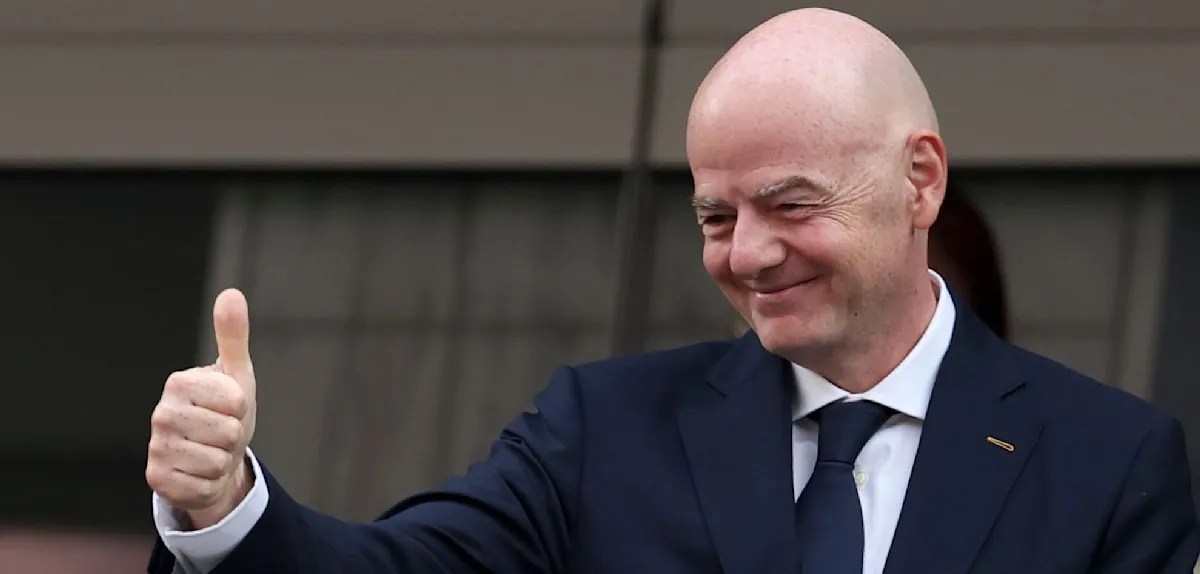
New York — The International Federation of Association Football (FIFA) has announced that it has achieved record revenues exceeding expectations from the organization of the 2026 World Cup. This phenomenal financial accomplishment occurred after the grand tournament concluded, also marked by an emotional message from superstar Lionel Messi before the final match, which further ignited global public enthusiasm. This success places FIFA in a very strong financial position for the coming decade.
The initial revenue projections for the world's largest football tournament have been significantly surpassed. FIFA's internal reports indicate that the profit turnover was much larger than originally targeted, cementing the 2026 World Cup as one of the most profitable editions in the competition's history.
This drastic increase in revenue was driven by various factors, including the rising value of global television broadcasting rights, premium sponsorship deals with multinational corporations, and soaring ticket and merchandise sales. Football's appeal as the world's most popular sport remains a key magnet for investors and fans.
Creativity in digital marketing and the adaptation of the latest technology also played a crucial role. Enhanced fan experiences through digital platforms, interactive content, and global accessibility boosted engagement and, indirectly, extraordinary commercial revenue.
The phenomenon of Lionel Messi, who once again performed brilliantly on the world stage, had a significant impact on tournament hype. His heartfelt message before the final match, broadcast worldwide, not only touched the hearts of fans but also strengthened the emotional narrative that increased viewership value and commercial appeal.
With this fresh capital injection, FIFA has a golden opportunity to reinvest these resources into developing football across the globe. Grassroots development programs, sports infrastructure, and support for smaller member federations are expected to become more intensive.
This achievement also offers an optimistic outlook for the future of the tournament. Despite facing criticism regarding excessive commercialization, the financial performance of the 2026 World Cup proves that the appeal and profit-generating capacity of this event remain very high. Controversial FIFA reforms that emerged concerning the modernization of football are now tested by tangible results in the form of this record revenue.
FIFA Secretary General, Fatma Samoura, in her statement, indirectly indicated that this achievement was the result of collective hard work and the organization's long-term vision. The essence of the statement is FIFA's commitment to managing global football responsibly and ensuring its benefits are felt by all stakeholders.
However, amidst the euphoria of record revenue, FIFA also faces demands to continuously improve transparency and accountability. Various parties are scrutinizing how these significant profits will be allocated, especially concerning promises of sustainable development and addressing social issues inherent in hosting an event as large as the World Cup.
Discussions regarding the expansion of the 2030 World Cup, with the potential increase in the number of participating teams to 64, are now gaining new momentum. The financial success of the 2026 edition could serve as a strong argument for proponents of a larger tournament format, despite concerns about packed schedules and the physical impact on players.
Several industry observers believe that FIFA's commercial strategy is becoming increasingly aggressive and innovative. From strategic partnerships to diversification of revenue streams, the Federation demonstrates high adaptability to global market dynamics, maintaining its relevance and profitability in the international sports arena.
The implications of this record revenue are expected to support various FIFA initiatives, including investments in more advanced Video Assistant Referee (VAR) technology, anti-doping programs, and efforts to combat match-fixing. All aim to maintain the integrity and appeal of the sport of football.
The future of global football appears bright from a financial perspective, but demands for good governance and equitable distribution of benefits will always be under scrutiny. FIFA is now at a crossroads, with an opportunity to reaffirm its commitment to the sport's core values while continuing to achieve unprecedented commercial success.